Brussels has now agreed the length of the EU methane regulation delay. On 19 November 2026, the European Parliament and EU governments struck a provisional deal. It pushes back methane rules for oil, gas and coal importers by two years. As a result, the import checks will now apply from 1 January 2029 instead of 1 January 2027, EUobserver reported.
The European Commission had proposed a shorter, one-year delay in October 2026. However, negotiators settled halfway. Member states wanted one year, while Parliament voted for three years in October 2026.
What the EU methane regulation delay changes
Under the deal, importers must show from 2029 that their suppliers measure, report and verify methane to EU-equivalent standards. Also, importers and EU producers get two more years to report the methane intensity of the fuels they sell. That reporting duty now starts on 5 August 2030.
Crucially, the final text drops an option, pushed by member states, to extend the delay again. Instead, the Commission will review how the law works at the start of 2028, including any risk to supply. So any further delay would need a new law.
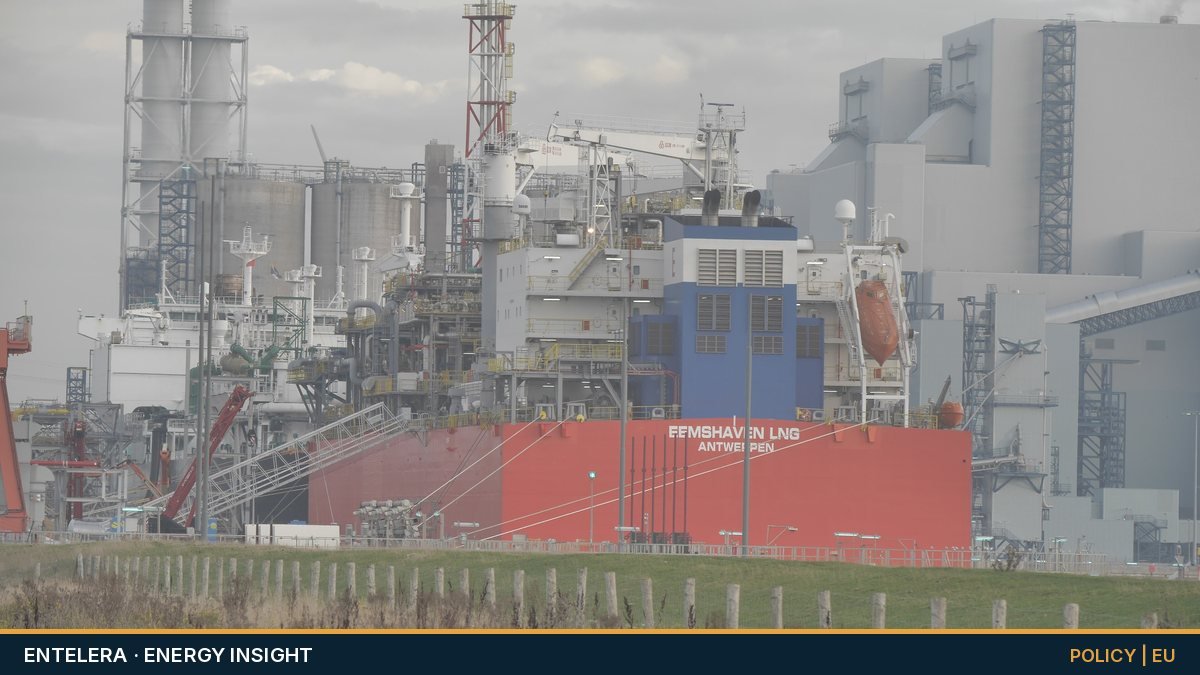
Why the EU methane regulation delay matters for LNG
For LNG sellers, the deal buys time. Many US and other overseas suppliers do not yet track methane at the level the EU wants. According to the Commission, the delay aims “to avoid any potential additional risks” to energy supply during the Middle East crisis.
Moreover, the stakes for Europe are high this winter. EU gas storage sits at about 70.6%, against a five-year average of roughly 89%, and no Qatari cargoes are reaching Europe. Meanwhile, the US Trump administration and the oil and gas industry campaigned hard for a delay, POLITICO reported.
Greek MEP Dimitris Tsiodras led the talks for Parliament’s environment committee. “We are not suspending the Methane Regulation,” he said. His Polish colleague Borys Budka said that “security of supply comes first”.
Critics point to costs and leaks
On the other hand, campaigners say Europe never needed the delay. Léa Pilsner of the campaign group EDF Europe said 24 bcm of methane will leak during the two extra years. That equals two-thirds of France’s annual gas use, she said.
In addition, Rystad Energy puts the cost of the rules at a few euro cents per MMBtu. That is about 0.3% of the current gas price. Methane traps around 80 times more heat than carbon dioxide over 20 years.
What happens next
Next, Parliament votes on the deal next week. Then member states must sign it off before the end of the year, when the original rules would otherwise apply. After that, the text goes into the EU’s Official Journal.
For earlier steps, see the European Parliament’s three-year delay vote. Also read what the delay changes for LNG cargoes.
For a deeper analysis, read: EU Methane Rules: Why the 2029 Delay Keeps US LNG Flowing Into a Tight Winter
Sources
- European Commission: Co-legislators agree on a targeted amendment to Methane Regulation to ensure supply security amid energy crisis
- Council of the EU: Methane regulation: EU agrees targeted amendment to safeguard security of supply
- EUobserver: EU gives oil and gas importers until 2029 on methane checks, rules out more delay
- POLITICO Europe: EU extends delay of key methane rules to two years after US pressure
- Balancing Energy: TTF rises 0.8% as colder forecasts and Hormuz risk offset LNG supply
- European Commission: Methane Regulation import requirements