US energy storage has passed a new milestone. Installed capacity now exceeds 200 GWh, according to the Q4 2026 US Energy Storage Market Outlook from the Solar Energy Industries Association (SEIA) and Benchmark Mineral Intelligence. The industry added 14.3 GWh in the third quarter of 2026. As a result, installs in the first nine months of 2026 reached 48.3 GWh, up 20% on a year earlier.
US energy storage growth by segment
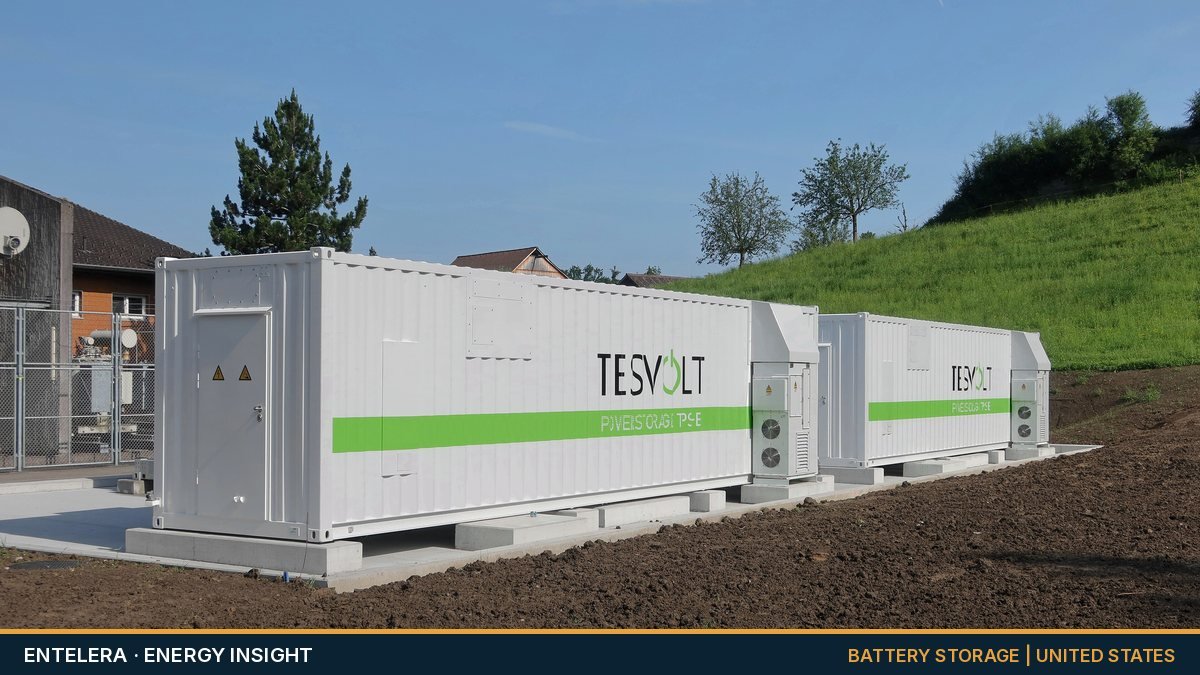
Grid-scale projects dominate. Utility-scale systems made up 12.2 GWh of the Q3 2026 total, or about 85%. Commercial and industrial storage added 1.3 GWh, while homes added 746 MWh.
Texas led utility-scale deployment through Q3 2026 with 12.3 GWh. Arizona followed with 7.7 GWh and California with 6.8 GWh. Moreover, 11 states beat their annual installation records in Q3 2026, with three months of the year still to go. They include Colorado, Massachusetts, Utah, Michigan and Georgia.
Pete Tillotson, senior analyst at Benchmark, said states are shifting from targets to central procurement. He added that utility mandates and bulk capacity contracts are growing storage pipelines.
Higher forecast for 2030
The outlook has also improved. The report raised its 2030 forecast for cumulative US deployment by 3.7% to 708 GWh across grid-scale and customer-sited systems. In other words, the US would add roughly 500 GWh more over the rest of the decade.
Storage and power prices
SEIA links storage growth to cheaper power. Its analysis says solar and storage helped cut average wholesale prices by 42% in Texas and 51% in California from summer 2021 to summer 2026. Batteries also help absorb cheap midday solar and release it at the evening peak. Our story on Ember’s firm power study explains how batteries combine with wind and solar.
US energy storage and domestic manufacturing
US battery manufacturing is also scaling up. A new cell plant opened in Tennessee in July 2026, and another in Indiana in October 2026. Together, they took US cell capacity to 92.4 GWh, a 50% rise.
Politics after the midterms
Meanwhile, the industry is lobbying Congress. Over 300 solar and storage companies wrote to lawmakers last week urging them to pass the Bipartisan American Affordability and Jobs Act (BAAJA). “Voters made it clear that they want lower prices,” said SEIA chief executive Tim Pawlenty.
What to watch next
First, watch whether Congress moves on BAAJA and permitting reform. Second, Q4 2026 data will show whether full-year installs set a new record. Finally, state procurements in places such as Texas, Arizona and California will drive the next wave of projects.