QatarEnergy has extended LNG force majeure on deliveries to Italy’s Edison and to buyers in Pakistan and Bangladesh until the end of December 2026. The previous deadline was early December 2026. In addition, India’s Petronet LNG faces force majeure on Qatari supplies for November 2026, a source told Reuters.
Edison disclosed the extension in a message on the platform of GME, Italy’s energy markets operator. As a result, three more cargoes meant for the Italian utility will not arrive. QatarEnergy did not respond to a request for comment.
Why the QatarEnergy LNG force majeure matters
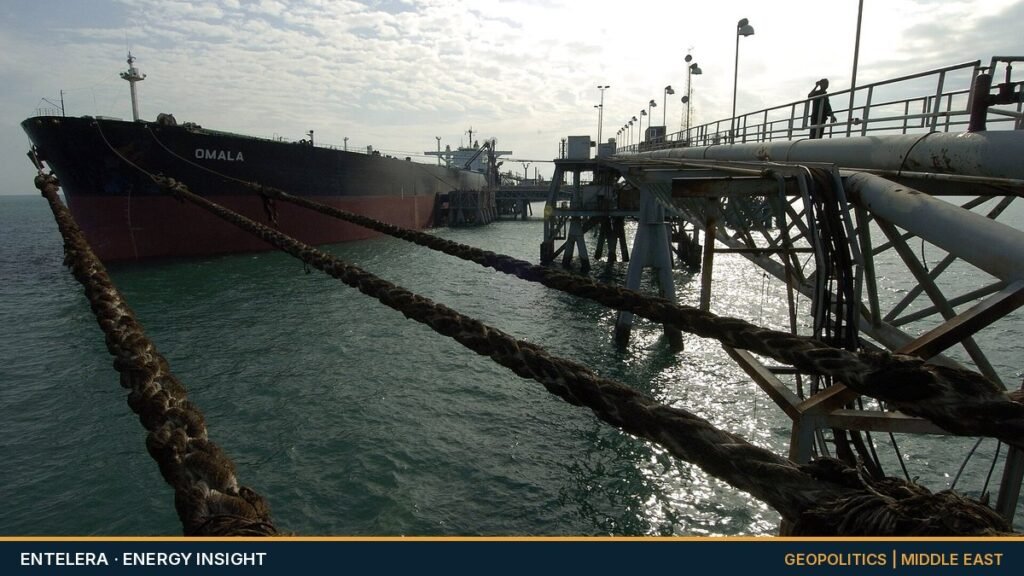
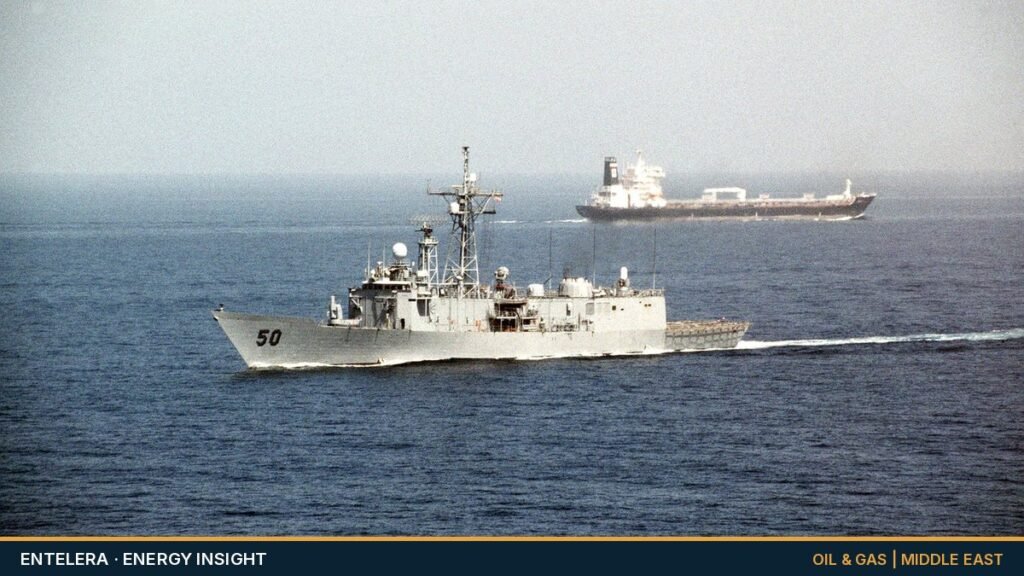
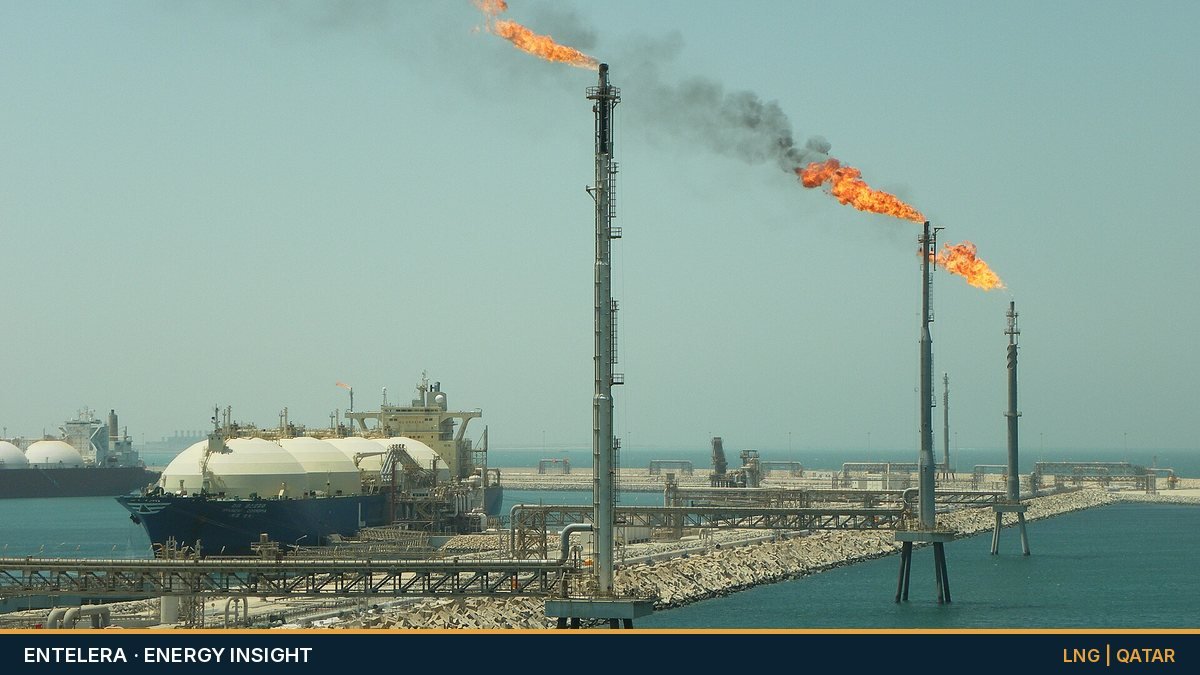
Qatar is one of the world’s largest LNG exporters, so a longer outage tightens the market just as winter begins. Its cargoes leave from Ras Laffan and must pass through the Strait of Hormuz. However, the Iran war, which began in late February 2026, has disrupted shipping through the strait. Consequently, QatarEnergy has cancelled deliveries to Edison since April 2026.
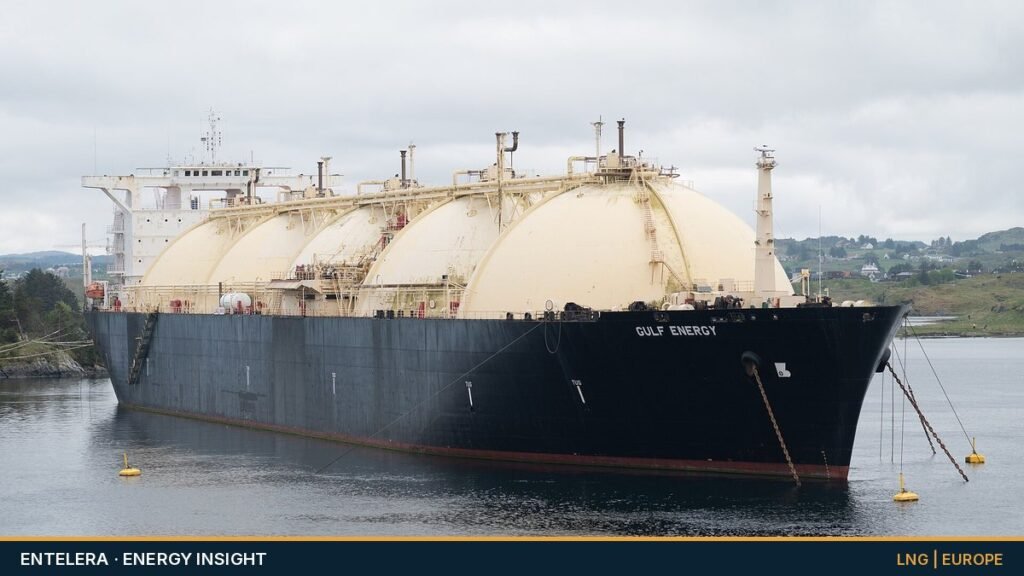
Edison is one of Qatar’s biggest customers in Europe. It holds a 25-year contract, in force since 2009, for 6.4 bcm of gas a year. That volume equals about 10% of Italy’s annual gas consumption.
Meanwhile, South Asian buyers are paying more to fill the gap. “We are trying to secure additional spot cargoes to bridge the supply gap, but at a significant cost, driving our import bill sharply higher and putting considerable pressure on our finances,” said Petrobangla Chairman Abdul Mannan. Pakistan’s buyers also received notices that run until the end of 2026.
European gas prices near 2022 highs
The loss of Qatari supply, low storage in Europe and cooler weather have lifted European gas prices. As a result, the Dutch TTF benchmark rose above €95 per megawatt hour this week. That is about $32/MMBtu, or $109/MWh, at a rate of $1.15 per euro. It is also close to the highest level since December 2022.
By contrast, LNG producers with secure routes are benefiting. For example, TotalEnergies said its average LNG price rose to $12.28/MMBtu in the third quarter of 2026, helped by the prolonged conflict around Hormuz and strong winter demand expectations.
How QatarEnergy is adjusting its LNG portfolio
At the same time, QatarEnergy is building supply outside the Gulf. On 22 October 2026, it signed two long-term deals to buy up to 4 mtpa of LNG from Cheniere’s Sabine Pass and Corpus Christi plants in the US. Deliveries should start in 2031 and run until 2054. “This major long-term purchase will expand and diversify our global LNG portfolio,” said Saad bin Sherida Al Kaabi, Qatar’s Minister of State for Energy Affairs and QatarEnergy’s chief executive.
However, those US volumes are years away. So for now, buyers in Italy, Pakistan, Bangladesh and India must keep turning to the spot market.
What to watch after the QatarEnergy LNG force majeure
First, buyers will watch for any further extension into 2027, which would hit winter supply contracts. Second, Petronet LNG’s December 2026 allocation will show whether India’s exposure also lengthens. Finally, any progress in talks to end the Iran war would decide when Hormuz traffic, and Qatari exports, can return to normal.
Oil markets face the same risk. For the latest on prices, read our report on Brent crude near $115.
For a deeper analysis, read: Qatar LNG Supply Gap: About 30 Cargoes Missing Before End-2026, and Who Pays
Sources
- Euronext Live (Reuters): Edison, South Asian gas buyers face QatarEnergy supply halt until year-end
- Pipeline & Gas Journal: QatarEnergy extends LNG force majeure to year-end for Edison, South Asian buyers
- Qatar News Agency: QatarEnergy Signs Long-Term Agreements to Purchase 4 MTPA of U.S. LNG
- TotalEnergies: Third Quarter 2026: Main Indicators (EUR/USD 1.15)