Brent crude jumped to a six-month high on Friday 30 October 2026. The expiring December contract settled up $2.76, or 2.4%, at $117.64 a barrel. That was its highest close since April 2026. Earlier, it touched $118 during the session. Meanwhile, the more active January contract gained $2.63 to $113.43.
US West Texas Intermediate (WTI) also rose $2.12, or 2.08%, to settle at $104.12. Traders bought crude after attackers hit a tanker with limpet mines in the Strait of Hormuz. In addition, they braced for a possible US escalation against Iran after the US midterm elections.
Brent crude rises on the first limpet mine strike in Hormuz
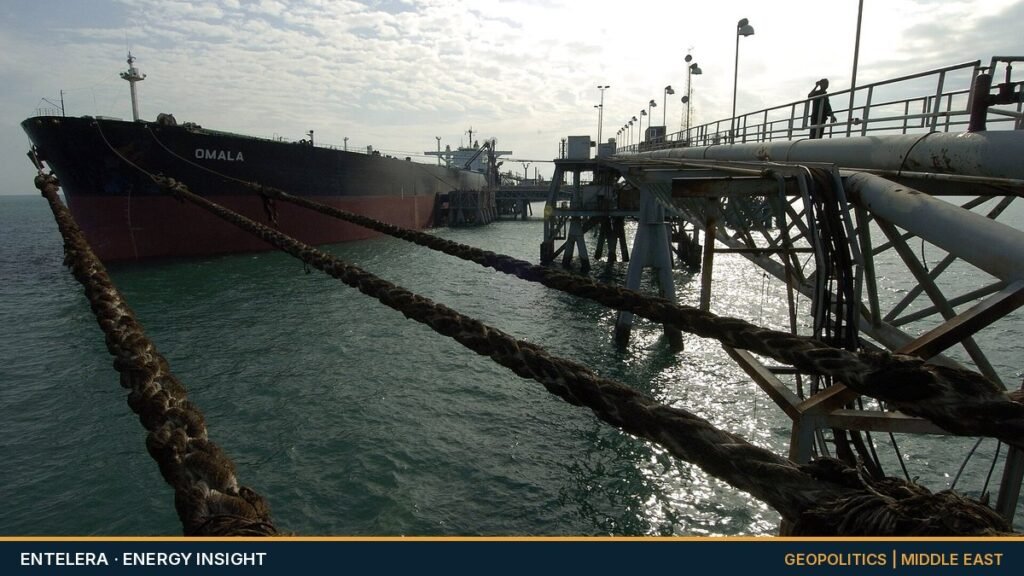
The attack happened late on Thursday 29 October 2026. According to the UK Maritime Trade Operations agency (UKMTO), a small craft drew alongside an outbound tanker. Its crew then fixed two explosive devices to the hull above the waterline. The incident took place 25 nautical miles northeast of Khasab, Oman.
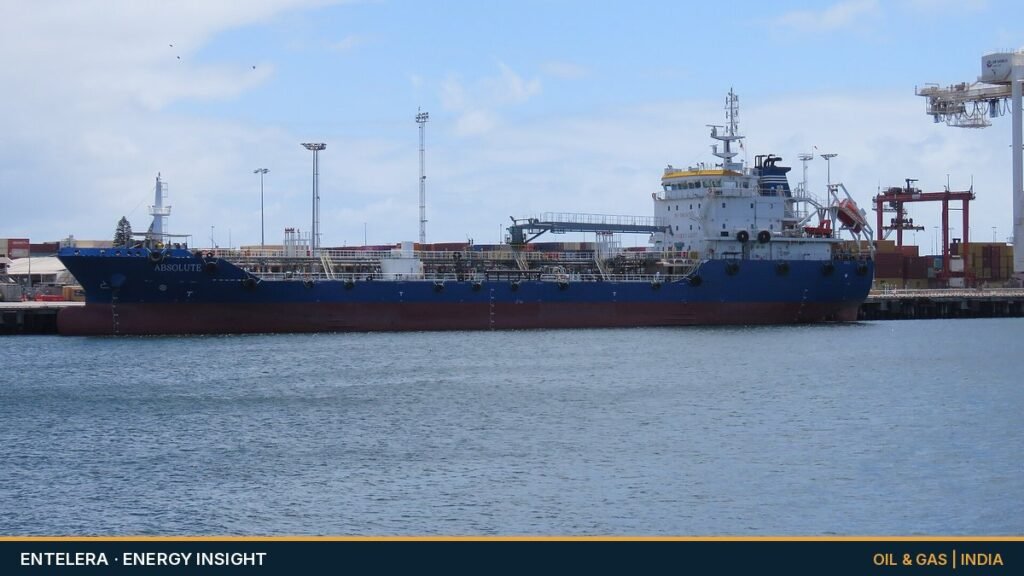
The blasts caused an engine-room fire and briefly disabled the vessel. However, the crew put out the fire and everyone on board was safe. UKMTO also reported no environmental damage. It did not name the ship or say who was responsible.
Maritime sources told Reuters this was the first successful limpet mine strike in the waterway since the war began in February 2026. Separately, Iran’s Islamic Revolutionary Guard Corps (IRGC) said on Friday that another tanker hit a naval mine. That ship, it said, had taken an “unauthorised route” through the strait.
Fourth monthly gain for Brent crude
Brent crude finished October 2026 up 13.6%, while WTI rose 15.2%. It was the fourth straight monthly gain for both benchmarks. Over the week, however, the move was smaller. The National reported Brent on track for a weekly gain of only 0.64% on Friday evening.
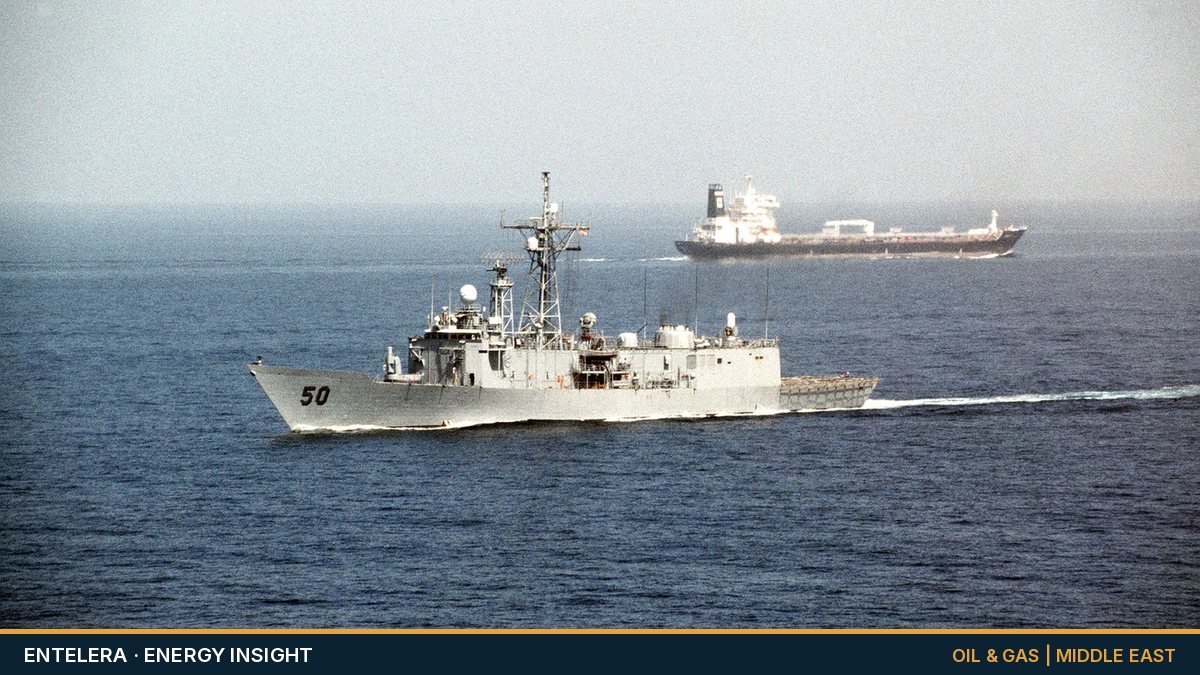
The strait is the main sea outlet for Gulf crude and fuel. So any threat to shipping there feeds straight into prices. “Traders will remain focused on oil flows out of the Middle East and the likely escalation by US and allied forces,” said Dennis Kissler of BOK Financial.
Our earlier report on Brent crude climbing back above $115 covered the build-up to this week’s rally. Since then, the risk premium has grown further.
Diplomacy runs alongside the threats
At the same time, Qatari mediators returned to Tehran on Friday. They are working on a deal between the US and Iran, an official told Reuters. Moreover, President Donald Trump said he believed the war, now in its ninth month, would end soon. Yet he gave no details on how.
Earlier, Trump had said Washington would not strike Iran before the midterm elections on 3 November 2026. As a result, investors are now bracing for possible attacks soon after the vote. “Supply risk premiums [remain] elevated despite earlier diplomatic outreach efforts,” said Ryan McDaniel of Duncan Oil Company.
What it means for buyers
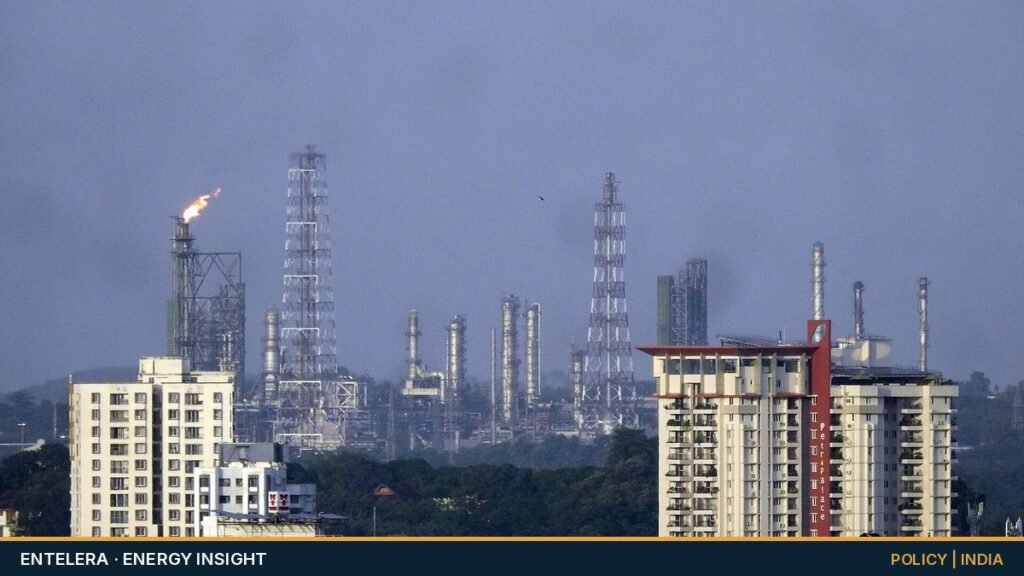
Brent is the benchmark for about two thirds of the world’s crude, so the rally lifts import bills from Europe to Asia. For refiners, it also adds to costs at a time when fuel margins are already at records.
Even so, analysts see a lasting shift. Saxo Bank expects crude to trade at $70 to $90 a barrel even after the conflict ends. That compares with a pre-war range of $60 to $70.
What to watch next
First, traders will watch the US midterm elections on 3 November 2026 and any US military move against Iran afterwards. Second, they will track further attacks on shipping in Hormuz. Finally, the Qatari mediation in Tehran could still cool prices if talks make progress.
For a deeper analysis, read: Hormuz Shipping Costs: Why the Limpet Mine Attack Matters More Than Brent’s Six-Month High
Sources
- Euronext (Reuters): Oil jumps 2%, settles at 6-month highs on fears of escalation in Iran
- CNBC: Oil jumps 2%, settles at 6-month highs on fears of escalation in Iran
- The National: Oil prices set for sharp monthly rise on Hormuz strikes and US threat to hit Iran
- EconoTimes: December Brent posts highest close since April amid Oman tanker attack
- Qatar News Agency: Oil prices rise more than 2% to highest levels since last April