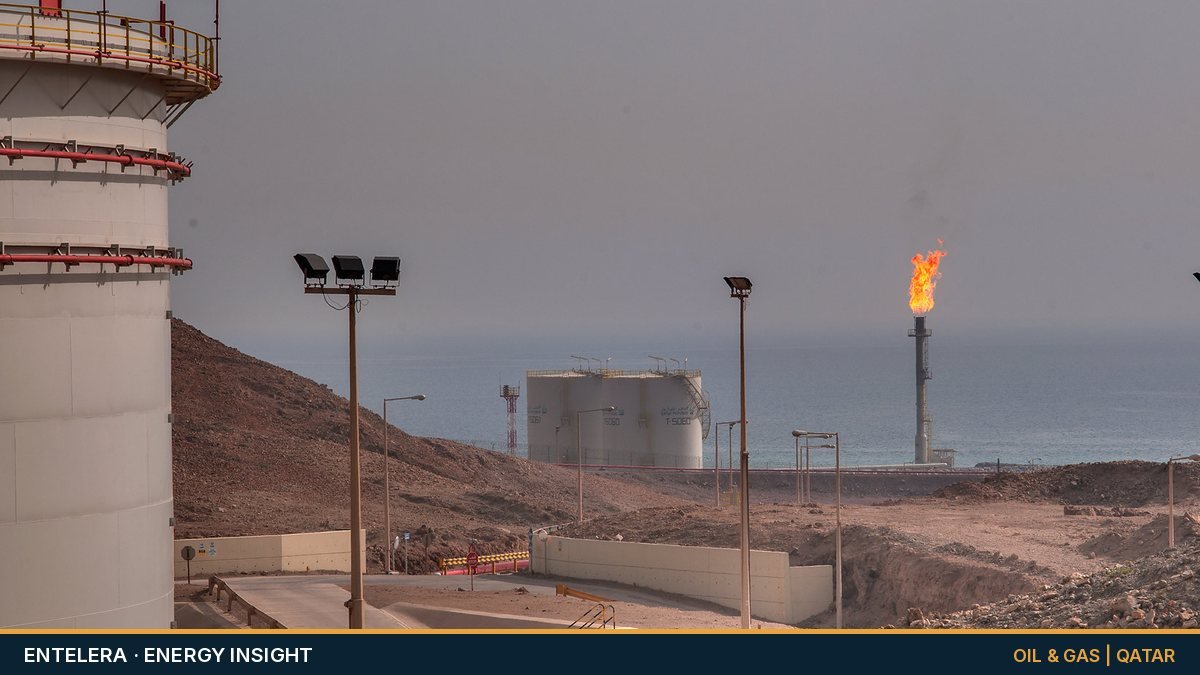
Some of the world’s biggest oil traders want more QatarEnergy crude next year. The trading houses spoke with the state producer this month about term supplies over 2027, Bloomberg reported on 19 November 2026. According to people involved, the talks centre on the Qatar Marine and Qatar Land grades.
The approach builds on their wartime role. During the Iran-US conflict, traders kept shipping crude out of the Gulf through the Strait of Hormuz. Meanwhile, some refiners held back because of the risks.
Why traders want QatarEnergy crude on term
Crude shipments through Hormuz have picked up in recent months, despite continued attacks on vessels. In turn, those flows have helped drag prices lower. Brent settled at $91.98 a barrel on 19 November 2026.
Term deals give both sides more certainty than spot cargoes. So traders can lock in volumes while some refiners stay cautious.
Timing also matters. A little more than a month remains before 2027 term contracts start in January. However, talks for next year’s volumes have run slowly because of shipping problems in Hormuz, the people said.
How QatarEnergy crude usually sells
Usually, QatarEnergy signs yearlong supply deals with refiners. Some traders already buy QatarEnergy crude on term, but mainly the flagship Al-Shaheen grade. Others buy cargoes through monthly tenders, a regular fixture before the war. Notably, QatarEnergy has pushed to bring those tenders back.
Qatar also matters far beyond oil. Before the war, it supplied almost a fifth of the world’s LNG. Yet like its crude, all of that gas must pass through Hormuz.
Traders gain ground in the Gulf
During the conflict, trading houses took a bigger role in Gulf-to-Asia flows. Bloomberg named Vitol, Mercuria and Trafigura, as well as the trading arms of TotalEnergies and ADNOC. Similarly, ADNOC has shown willingness to sell more term supplies to traders next year.
For producers, this shift spreads risk. Traders have proved adept at moving volumes and shouldering the risks, Bloomberg said. In return, term deals would give them steady supply for their Asian customers.
What to watch next
First, look for signed 2027 term deals before January, and the volumes involved. Second, watch whether QatarEnergy restores its monthly tenders. Finally, any new attack on Hormuz shipping could stall the talks again.
Qatar has also used trading to hedge the crisis on the gas side, as our story on QatarEnergy’s US LNG hedge explains. In Europe, Orlen is also in talks with QatarEnergy on a new LNG deal.
For a deeper analysis, read: Qatar Crude: Why Traders Want 2027 Term Barrels as Gulf Discounts Deepen
Sources
- Bloomberg (via gCaptain): Oil traders in talks with QatarEnergy for long-term supplies
- OilPrice.com: Traders seek long-term crude supply deals with Qatar
- Al Jazeera: Global oil trading firms in talks with QatarEnergy on long-term supplies in 2027
- Reuters (via Investing.com): Oil settles flat as Hormuz disruptions offset global surplus fears