The EnQuest North Sea sale puts one of the UK’s best-known independents on a new path. On 18 November 2026, EnQuest agreed to sell its entire UK upstream business to NEO NEXT+ for up to $960mn. TotalEnergies, HitecVision and Repsol jointly own the buyer.
Under the deal, NEO NEXT+ will pay $840mn in cash on completion. In addition, it could pay up to $120mn more, linked to oil prices. Both sides expect to complete in the first quarter of 2027. The effective date is 1 January 2027.
What the EnQuest North Sea sale includes
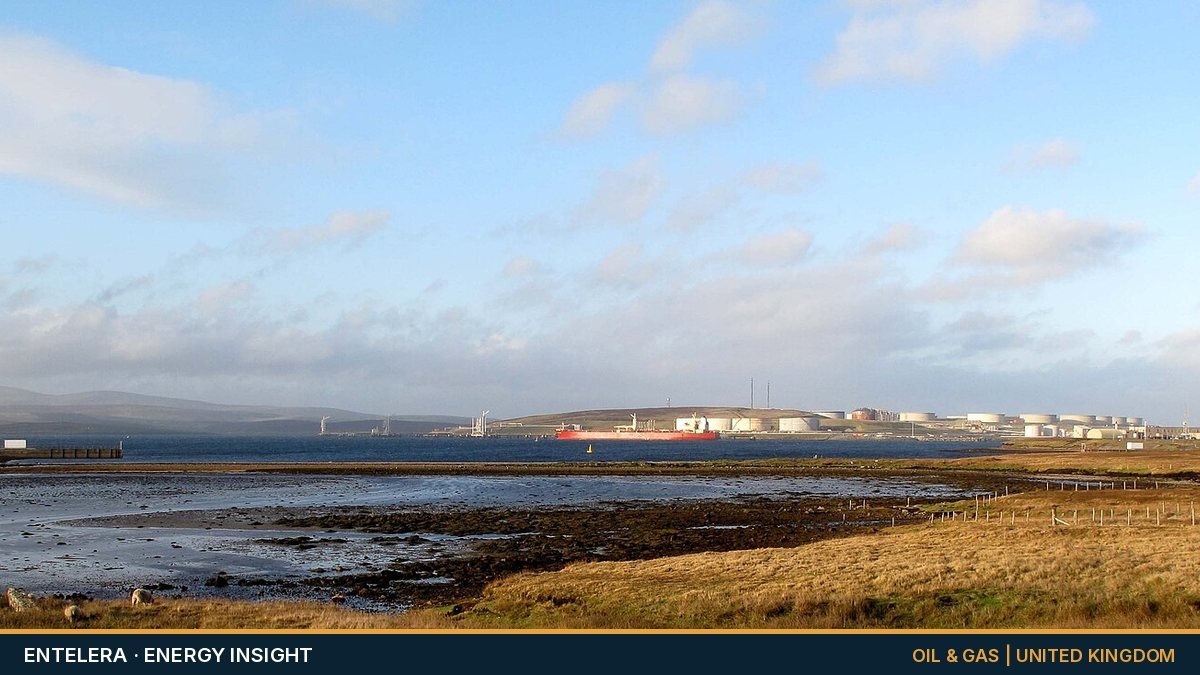
In legal terms, the sale covers all the shares in EnQuest Britain Limited. That company holds the operated Magnus and Kraken fields and the Greater Kittiwake Area. It also holds a stake in Golden Eagle, the undeveloped Bressay field and the Bentley discovery. Furthermore, the buyer takes on the Sullom Voe Terminal in Shetland and other midstream assets.
In 2025, these assets produced an average of 31,122 barrels of oil equivalent a day (boe/d). Liquids made up 92% of that output. At the end of 2025, the portfolio held about 122mn boe of proven and probable (2P) reserves. On top of that, it had 308mn boe of contingent resources.
How the EnQuest North Sea sale price works
EnQuest values the deal at up to $9 per boe of 2P reserves. However, the headline price is only part of the picture. The buyer also takes on $2,125mn of decommissioning, lease and other liabilities.
The contingent payment depends on Brent. Specifically, EnQuest gets $0.2 per barrel of oil output for every $1 that Brent averages above $75 a barrel. That test applies in 2027, 2028 and 2029. In total, the payment cannot exceed $120mn.
EnQuest chief executive Amjad Bseisu called the sale “a major step forward” in the company’s strategy. Meanwhile, NEO NEXT+ executive chair John Knight said it “further strengthens our scale and resilience in the UK North Sea”.
Who is behind NEO NEXT+
NEO NEXT+ is already the largest producer on the UK Continental Shelf. TotalEnergies owns 47.5% of it, HitecVision 28.875% and Repsol UK 23.625%, Cinco Días reported. Before this deal, it produced about 250,000 barrels a day. As a result, the purchase adds roughly an eighth to its output. The buyer will fund the deal from existing debt facilities.
For TotalEnergies, the deal deepens its exposure to the North Sea through a partly owned vehicle. Its latest figures are in our TotalEnergies Q3 2026 results financial summary. The deal also follows other recent upstream consolidation, such as Canadian Natural’s purchase of Advantage Energy.
What it means for EnQuest
After the EnQuest North Sea sale, the company becomes a South East Asia producer. First, it must complete its purchase of stakes in four production sharing contracts in Malaysia, due on 31 December 2026. After that, the remaining business will produce about 70,000 boe/d, it said.
Moreover, EnQuest expects unit operating costs of about $11 per boe. That would be about 57% below its 2025 level of $25 per boe. It plans to use the proceeds to repay debt.
What to watch next after the EnQuest North Sea sale
Next, watch for regulatory approvals and lender consent in the UK. Also watch whether NEO NEXT+ keeps buying. After all, Knight said the group wants to lead further consolidation of the UK Continental Shelf.
Sources
- EnQuest: Sale of UK Upstream Business to NEO NEXT+ for up to US$960 million
- NEO NEXT+: NEO NEXT+ announces the acquisition of EnQuest’s UK oil & gas business
- Cinco Días: Repsol y sus socios compran los pozos de EnQuest en el Mar del Norte
- Oil & Gas Journal: NEO Next+ to acquire UK upstream business from EnQuest for up to $960 million
- Entelera: TotalEnergies Q3 2026 results financial summary
- Entelera: Advantage Energy acquisition: Canadian Natural agrees CAD2.53bn deal