India has scrapped its export duty on petrol and raised the levies on diesel and aviation turbine fuel (ATF) exports. The changes took effect on 31 October 2026, under a Finance Ministry notification. The export duty on diesel rises to INR11.50 ($0.12) a litre from INR8.50 ($0.09). Meanwhile, the levy on ATF rises by 50 paise to INR11 ($0.12) a litre.
At the same time, the INR2.50 ($0.03) a litre duty on petrol exports falls to nil. The new rates will apply for the next fortnight. However, the government made no change to excise duty on petrol and diesel sold at home.
How the fuel export duty works
The government first imposed the levies on diesel and ATF exports on 27 March 2026. It then added a levy on petrol exports from 16 May 2026. The aim was to keep enough fuel in India during the West Asia crisis. In addition, the duty stops exporters from gaining too much from the gap between domestic and global prices.
The rates are reviewed every fortnight. Officials base each revision on average international prices of crude, petrol, diesel and ATF since the previous review. The previous revision took effect on 16 October 2026.
What the new export duty means for refiners
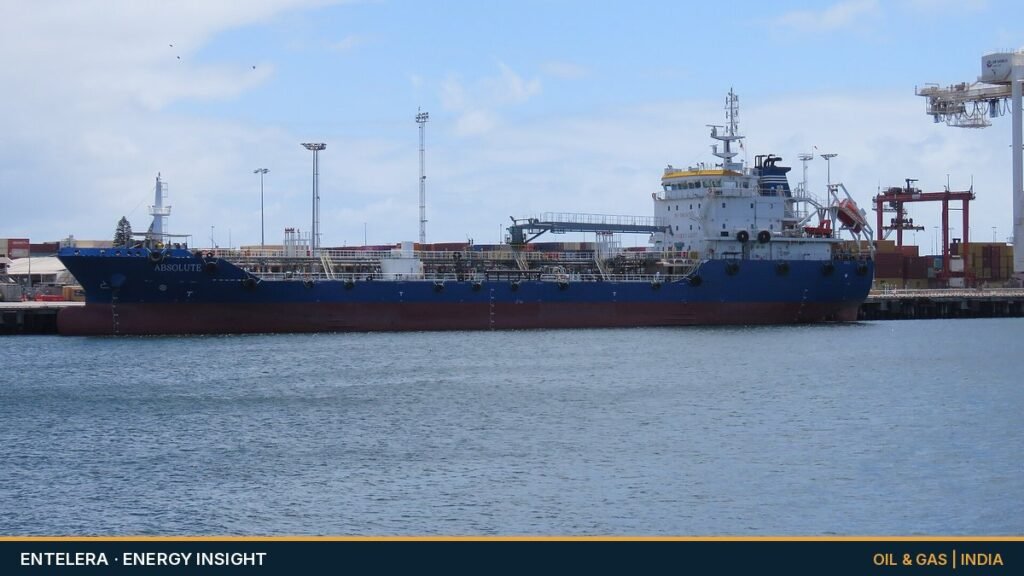
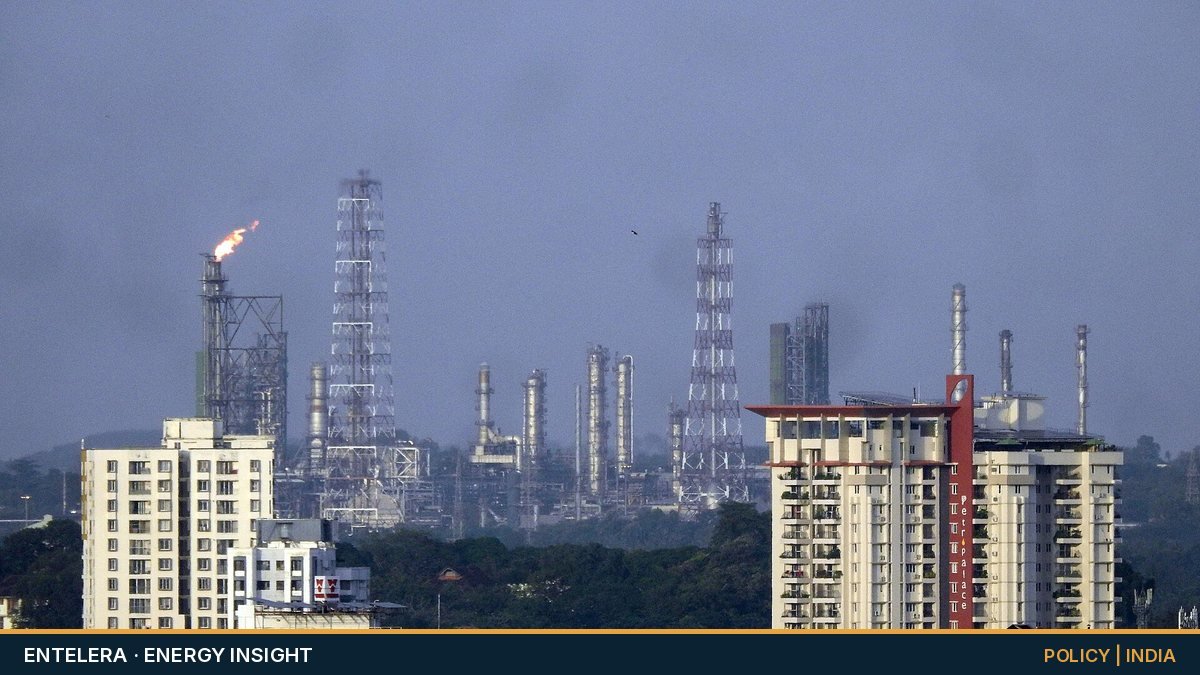
Diesel is India’s biggest refined product export, so the change matters most for private refiners such as Reliance Industries. At INR11.50 a litre, the diesel levy now works out at about INR1,828 ($19.29) a barrel. Likewise, the ATF levy equals roughly INR1,749 ($18.46) a barrel. By contrast, petrol exporters now pay nothing for the next two weeks.
The pattern follows global markets. Diesel and jet fuel have been the tightest products since the war began. Petrol margins, on the other hand, have been weaker. As a result, the formula pushes the duty up on middle distillates and removes it on petrol.
Why India is shielding supply
India remains exposed to disruption in West Asia. Before the war, nearly half of its crude imports passed through the Strait of Hormuz, Mint reported. Since then, refiners have looked elsewhere. For example, Russia supplied 39% of India’s crude imports between March and June 2026, up from 32% a year earlier. Meanwhile, Iraq’s share fell from 18% to 3%.
For the latest on shipping risks, read our report on the Brent rally after the Hormuz limpet mine attack.
Commercial LPG price rises again
Separately, state-run fuel retailers raised the price of 19-kg commercial LPG cylinders on 1 November 2026. In Delhi, a cylinder now costs INR2,820 ($29.76), up INR10 ($0.11). Similarly, Mumbai’s price is INR2,774.50 and Kolkata’s is INR2,964. Chennai saw the biggest rise, of INR11.50, to INR2,994.50. In Bengaluru, the price is now INR2,908.
This follows a bigger increase on 1 October 2026, when the Delhi price rose INR62.50 to INR2,810. Hotels, restaurants and caterers will feel the latest rise ahead of Diwali. Household LPG, however, stays unchanged at INR942 per 14.2-kg cylinder in Delhi.
What to watch next
First, the next export duty review is due in about two weeks, in mid-November 2026. If diesel cracks stay high, the levy could rise again. Second, refiners will watch whether Brent stays near its six-month high. Finally, any reopening of the Strait of Hormuz could ease supply fears and lead to lower duties.
Sources
- Business Standard: Govt raises export duty on diesel, aviation fuel; scraps petrol levy
- Mint: Govt scraps export duty on petrol; hikes levies on diesel, ATF — check details here
- CNBC-TV18: India scraps petrol export duty, revises levies on diesel and ATF
- ABP Live: Commercial LPG cylinder prices hiked by Rs 10 ahead of Diwali; check city-wise rates
- Hindustan Times: ATF and commercial LPG prices increase; petrol, diesel remain unchanged
- News18 (PTI): Rupee jumps 50 paise to close at 94.76 against US dollar