Brent crude climbed back above $115 a barrel in early Asian trade on Friday 30 October 2026. The front-month contract traded at $115.44, while US West Texas Intermediate (WTI) rose 0.8% to $102.84, CNBC-TV18 reported. The move followed a Wall Street Journal report that a top US commander had briefed President Donald Trump on military options against Iran.
On Thursday, Brent crude settled 44 cents, or 0.38%, lower at $114.88. WTI fell 78 cents, or 0.76%, to $102, Reuters reported. Both benchmarks had dropped by more than $2 earlier in a choppy session. However, they recovered most of the loss as new attack reports came in.
Iran strike fears lift Brent crude again
According to the Wall Street Journal, the senior US officer overseeing the Middle East met Trump at the White House on Thursday to outline options in Iran. Trump has said he would not attack Iran before the US midterm elections on 3 November 2026. Even so, he has repeatedly signalled that strikes could restart afterwards.
Diplomacy has offered little comfort. Iran confirmed it had received a letter from US Vice President JD Vance, which the Wall Street Journal described as an attempt to revive peace talks. In response, Parliament Speaker Mohammad Bagher Ghalibaf suggested Tehran would not compromise on its terms. Meanwhile, a senior Iranian official dismissed a new Qatari draft deal as unacceptable.
Hormuz and Saudi attacks keep Brent crude risk high
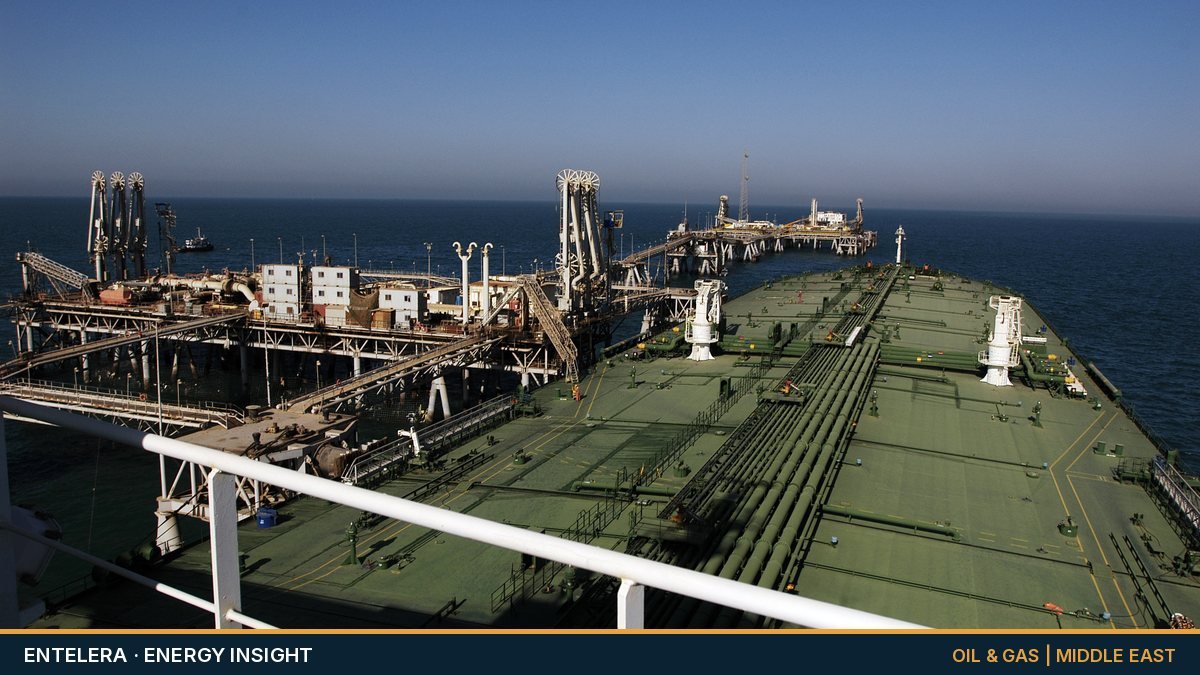
Shipping risks also returned. An unknown projectile struck a tanker on Thursday as it completed an outbound transit of the Strait of Hormuz, according to UK Maritime Trade Operations. Separately, Iran’s Revolutionary Guards said three tankers hit sea mines while using an unauthorised route south of the strait.
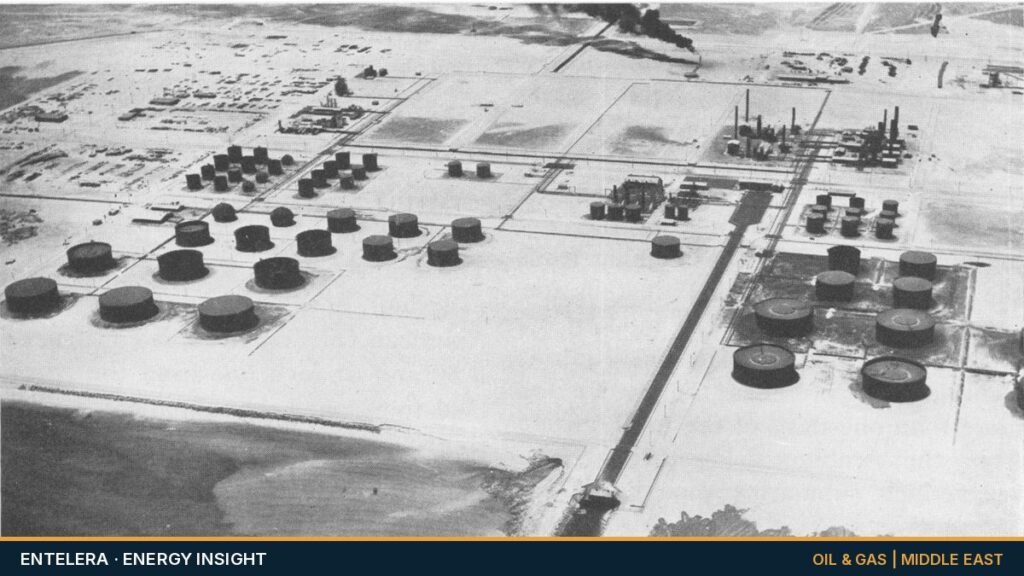
Saudi Arabia remains under pressure too. Yemen’s Houthis said on Thursday they attacked the Ras Tanura and Rabigh refineries, an Aramco facility at Abqaiq and several airports. Saudi Arabia did not confirm the claims. Earlier, the group claimed a missile strike on Ras Tanura, which has a capacity of 0.55 mmbbl/d. As we reported, that claim pushed Brent crude near $115 on Wednesday.
“The Saudi-led coalition’s interception of another Houthi missile early Thursday shows that threats to regional infrastructure remain active,” analysts at Gelber and Associates said.
Supply is recovering, but stocks are thin
On the other hand, Gulf exports are recovering. Nine supertankers loaded Saudi cargoes at the kingdom’s Gulf terminals on Wednesday, Bloomberg reported. Together, they can carry about 18 mmbbl. As a result, shipments from the Gulf appear to be at or near pre-war levels.
Still, low inventories and tight supplies of refined products keep prices high. Brent crude is trading at a six-month high, CNBC-TV18 said.
What analysts expect for Brent crude
Forecasts depend on the conflict. Goldman Sachs sees oil rising to $120 a barrel if attacks on vessels in the Middle East escalate, The Economic Times reported. By contrast, the bank sees prices falling towards $80 if exports return to normal.
Similarly, JPMorgan analysts said the war’s path remains hard to judge. Seven months in, Washington has crossed several economic limits the bank expected it to respect, they said.
What to watch
First, ExxonMobil and Chevron report third-quarter 2026 results later on Friday. Second, traders will watch for any US decision on Iran after the 3 November 2026 vote. Finally, any further strike on Saudi or Hormuz infrastructure could quickly reverse the recovery in Gulf flows. Security worries are already spreading: ExxonMobil and Chevron have cancelled executive trips to next week’s ADIPEC conference in Abu Dhabi, Reuters reported.
Sources
- Euronext (Reuters): Oil prices settle lower as diplomacy hopes offset some Mideast supply concerns
- CNBC-TV18: Brent remains around $115; Oil remains high as fears of renewed US strikes on Iran grow
- The Economic Times: Oil Price Today (October 30): Crude oil jumps as Trump weighs fresh attacks after midterm
- US News (Reuters): Exclusive: Exxon, Chevron cancel executive trips to UAE’s ADIPEC, sources say