OPEC oil output rose sharply in October 2026, even as the Iran war kept exports constrained. Crude production by the 11 OPEC members rose by 1.38 mmbbl/d from September 2026 to 22.87 mmbbl/d, a Reuters survey published on 9 November 2026 found. Saudi Arabia, Kuwait and Iraq led the gains.
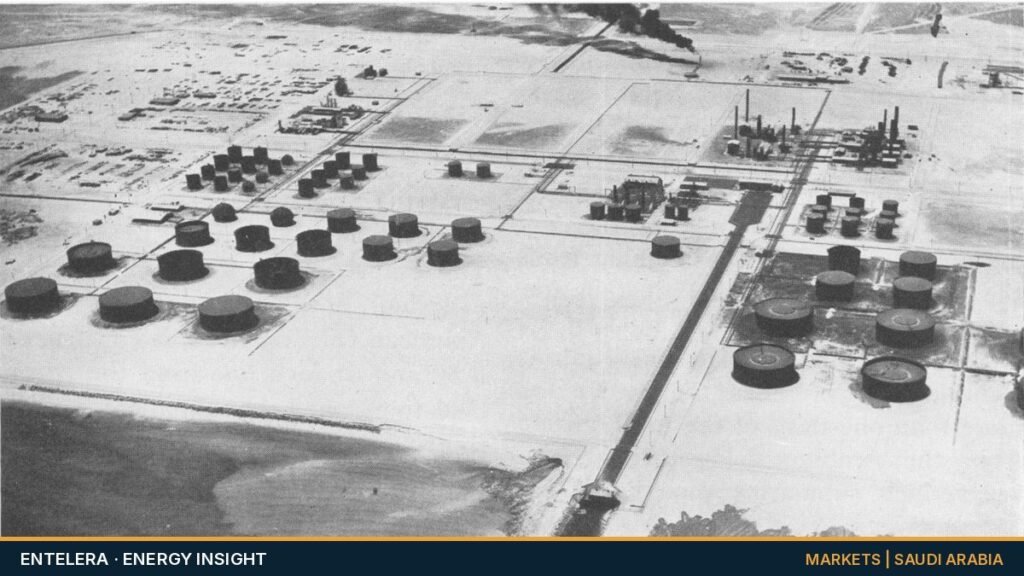
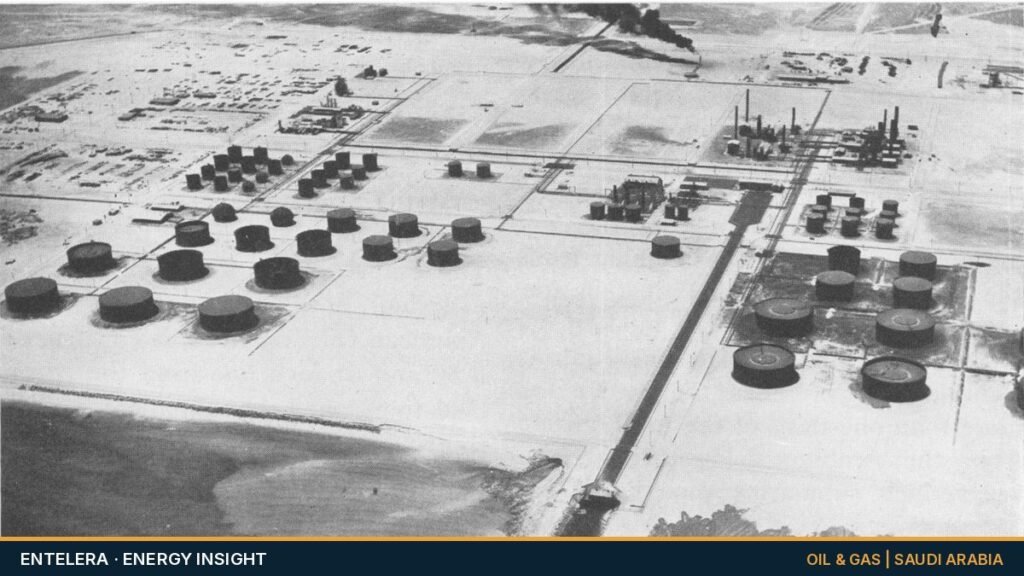
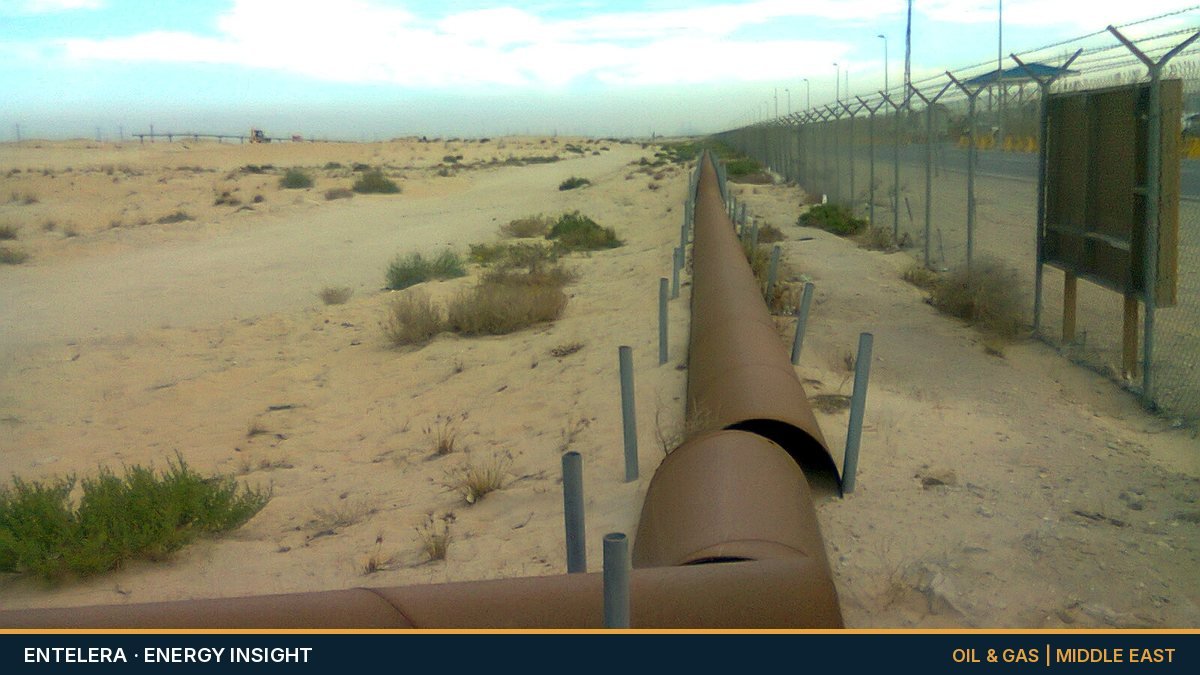
On the same day, attackers struck Saudi Arabia’s East-West pipeline. The line is the kingdom’s main route for moving crude around the Strait of Hormuz.
OPEC oil output back to 90% of pre-war levels
The recovery is now substantial. According to the Reuters survey, October’s rate equals 90% of the 25.48 mmbbl/d the 11 members pumped in February 2026. That was the last month before the conflict disrupted Middle East exports and production. On our calculation, the group is still 2.61 mmbbl/d short of that level.
A separate Bloomberg survey gave a slightly lower figure. It put October 2026 output at 22.8 mmbbl/d, up 0.93 mmbbl/d from September 2026, or 88% of February 2026 levels.
Saudi Arabia did most of the work. In the Bloomberg survey, the kingdom raised output by 0.97 mmbbl/d to 9.2 mmbbl/d. That increase was larger than the group’s net gain. Even so, Saudi production remains about 0.8 mmbbl/d below early-year rates, OilPrice.com reported.
Elsewhere, Iraq added 0.14 mmbbl/d to reach 4.15 mmbbl/d. Kuwait, meanwhile, added 0.13 mmbbl/d to reach 2 mmbbl/d. By contrast, Iran’s output fell 0.12 mmbbl/d to 1.9 mmbbl/d. That is its lowest in Bloomberg survey data going back to 1989. Furthermore, trackers have spotted no tankers at Kharg Island since late August 2026.
East-West pipeline attack
The pipeline attack hit the Medina region. A Saudi Energy Ministry official said the strike caused a limited fire. Emergency crews put it out, with no casualties. Importantly, the ministry said pipeline operations were not affected.
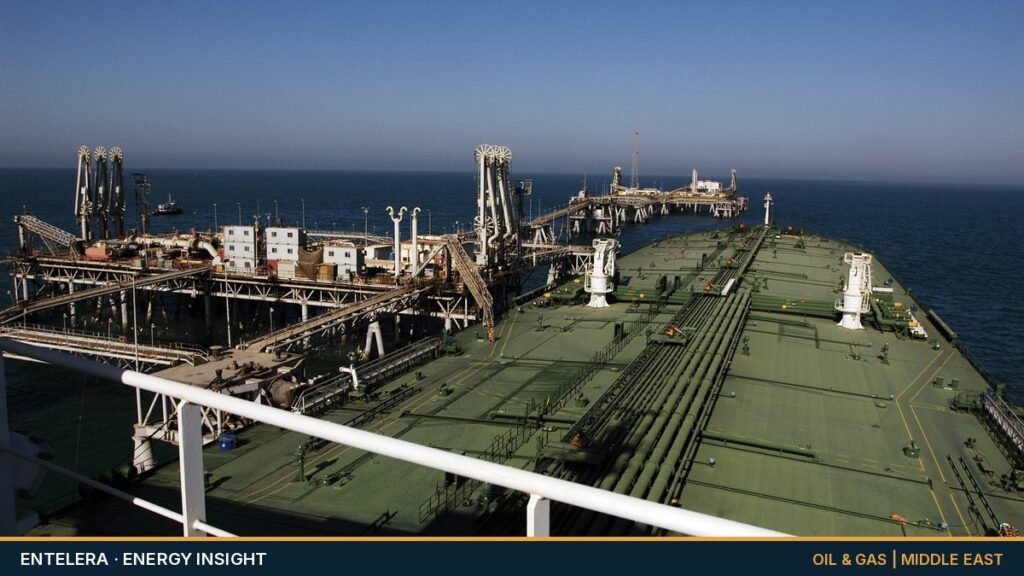
The line matters more than ever. It carries Saudi crude to the Red Sea port of Yanbu. According to OilPrice.com, Yanbu handled the bulk of the kingdom’s export growth in October 2026. However, the ministry did not explicitly state that the pipeline suffered no physical damage, the outlet noted.
In a separate incident, the Houthis claimed an attack on Saudi Aramco’s corporate office in Riyadh on Sunday, Reuters reported. Debris blew out windows across several floors, the Saudi energy ministry said. Gulf producers have leaned heavily on routes that avoid Hormuz, as we set out in our analysis of UAE Fujairah pipeline capacity.
Why OPEC oil output matters for prices
Higher supply is weighing on the market. Brent crude fell 5.85% to $92.57 a barrel on 9 November 2026, its lowest since 31 August 2026. Traders cited stronger flows through Hormuz as well as Washington’s softer tone on Iran.
Still, OPEC+ remains far from its pledges. Members covered by the group’s quota deal pumped about 25 mmbbl/d in August 2026. Their combined target was 31.01 mmbbl/d. On our calculation, that left a gap of about 6 mmbbl/d. Seven OPEC+ members agreed to hold output steady after raising quotas each month since April 2026. The group later extended that hold to December 2026.
What comes next
Next, members are reviewing how much crude each country can technically produce. That work feeds into a ministerial meeting on 29 November 2026, which will set 2027 output targets, OilPrice.com reported.
For traders, the key questions are clear. First, can Saudi Arabia keep lifting exports via Yanbu if attacks continue? Second, will Gulf supply keep rising fast enough to deepen the surplus that analysts now see? Finally, the November 2026 surveys will show whether the recovery holds.
Sources
- Reuters (via FinanceTime): OPEC oil output rises in October to 90% of pre-war rate, Reuters survey shows
- OilPrice.com: Saudi Pipeline Attacked as OPEC Output Climbs to 90% of Pre-War Levels
- Reuters (via Yahoo Finance): Oil down more than $7 a barrel in post settlement trade as Trump signals restraint on Iran
- Entelera: Hormuz bypass: UAE Fujairah pipeline capacity