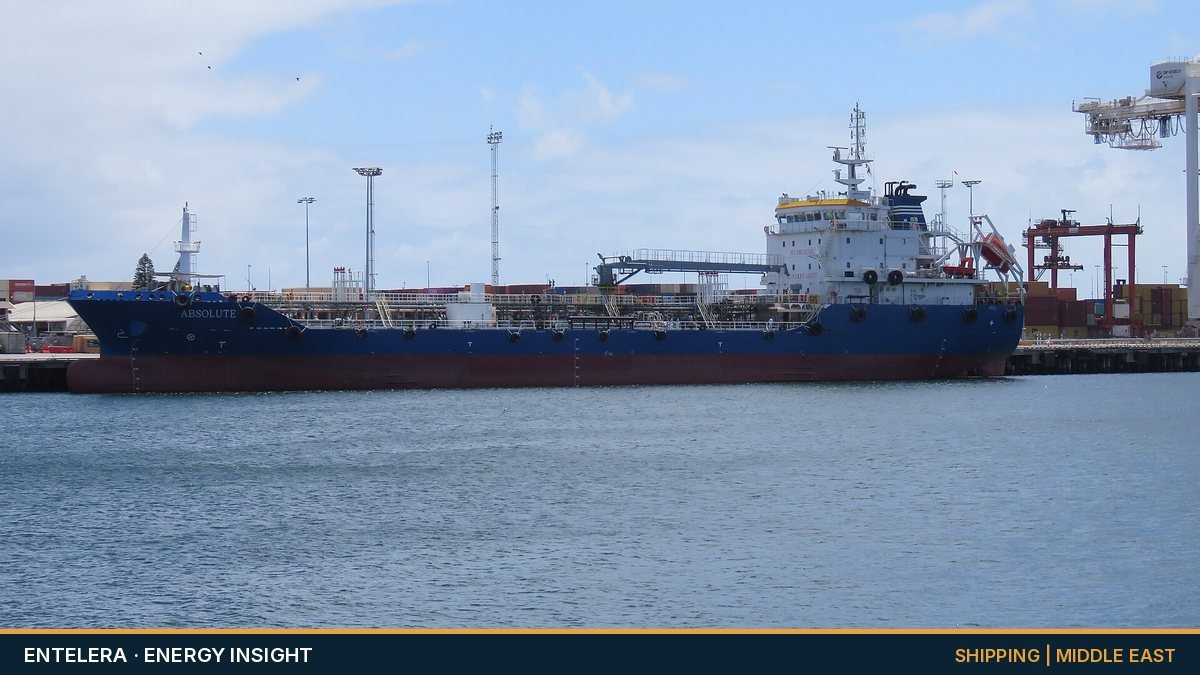
Oil shipping costs and insurance now exceed one-third of the value of crude, OPEC Secretary General Haitham Al Ghais said on 4 November 2026. He spoke at an online workshop on maritime energy flows. The International Energy Agency (IEA), the International Energy Forum (IEF) and OPEC jointly hosted it.
According to OPEC, Al Ghais said higher oil shipping costs and risk premiums have passed along the whole value chain. As a result, they strain both producing and consuming economies and add to inflation worldwide.
Why oil shipping costs matter now
The meeting is unusual. In fact, it brought the producer group and the consumer agency together on one problem: moving oil and gas safely. Ministers of the OPEC+ Declaration of Cooperation (DoC) asked for it. They met in Riyadh on 12 October 2026.
At that meeting, ministers voiced concern about high shipping and insurance costs. They also stressed the need for uninterrupted energy flows.
“Participants in the DoC remain fully committed to supporting the stability of global energy markets,” Al Ghais said. Moreover, he said the talks would help “identify possible solutions” for producers and consumers.
IEA links oil shipping costs to an unprecedented crisis
IEA Executive Director Fatih Birol was blunt. He warned of a crisis “of unprecedented proportions” in energy markets. Furthermore, he called freedom of navigation “a central pillar of global energy security”.
Similarly, IEF Secretary General Jassim Alshirawi warned that disruption can raise energy, food and transport costs far beyond the region. “Safe maritime passage is essential to energy security and market stability,” he said.
What the freight squeeze means for trading
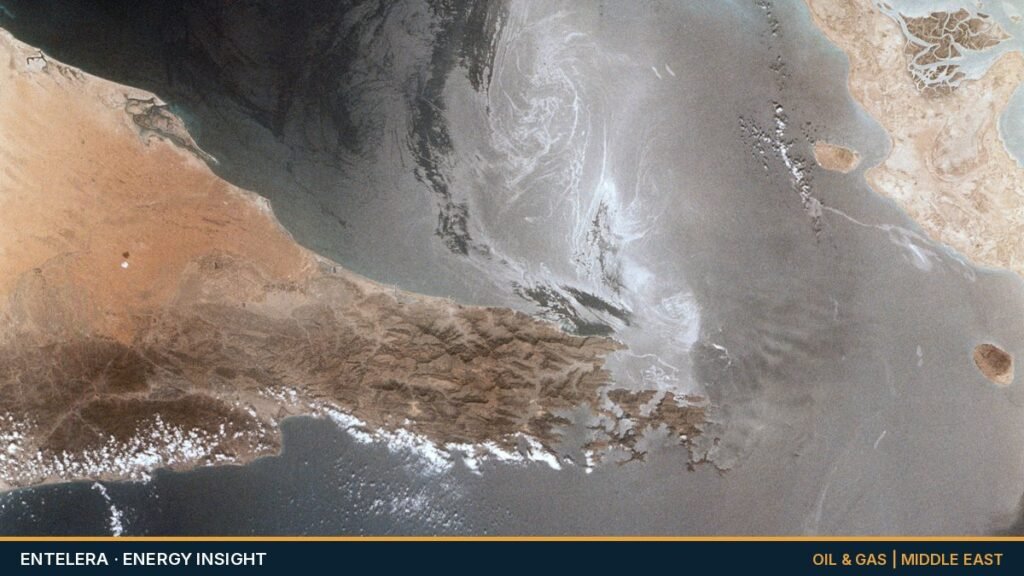
For traders, oil shipping costs are now a central part of the price. Attacks on shipping around the Strait of Hormuz reached a record in October 2026, Reuters reported. Consequently, Gulf exports of crude, condensate and products slipped to 17.1 mmbbl/d in October 2026, Vortexa said. In September 2026, they stood at 18.9 mmbbl/d.
Products have suffered most. Refined product exports averaged just 3.1 mmbbl/d, or just over half of normal volumes. By contrast, crude and condensate flows reached 14.0 mmbbl/d, about 86% of pre-war levels.
LNG shipping is under similar strain. For example, a projectile struck the Qatari LNG carrier Al Mayeda near Hormuz in late October 2026. Iran had cleared its voyage. All 25 crew, including six Indian nationals, were safe. Meanwhile, LNG flows through Hormuz ran at about 30% of pre-war volumes in October 2026, Bloomberg reported. Spot LNG prices have risen to more than three times pre-war levels.
High freight and war-risk premiums also widen the gap between physical Gulf grades and futures. We explored that link in our report on Hormuz shipping costs and the Brent price.
What comes next
The three bodies did not announce specific measures after the meeting. Instead, they framed it as part of a long-running joint programme. Ministers endorsed that programme at the 12th International Energy Forum in Cancún in March 2010.
Next, traders will watch whether any concrete steps follow, such as shared data on routes or support for insurance. Above all, a US-Iran deal that reopens Hormuz would do most to bring oil shipping costs down.
Sources
- OPEC: IEA, IEF, and OPEC convene industry experts for crucial dialogue on maritime energy flows
- Reuters (via Investing.com): Gulf oil flows dip in October from post-Iran war high, data shows
- Bloomberg (via Investing.com): Pakistan-bound LNG tanker attacked near Hormuz despite Iran clearance
- Semafor: Qatar searches for strategic LNG hedge