Iraq has restarted crude exports through the Kirkuk-Ceyhan pipeline to Türkiye for the first time in 12 years. The Oil Ministry said pumping resumed on 17 November 2026 after technical and operational tests. Flows start at 120,000 barrels a day (0.12 mmbbl/d). Moreover, Oil Minister Basim Mohammed Khudair said they would rise step by step to 500,000 b/d. He gave no date.
Hours later, the Cabinet of Prime Minister Ali al-Zaidi approved a plan to rehabilitate the line. The meeting took place in Najaf, according to the Iraqi News Agency. However, the statement did not detail the work involved.
Why the Kirkuk-Ceyhan pipeline matters now
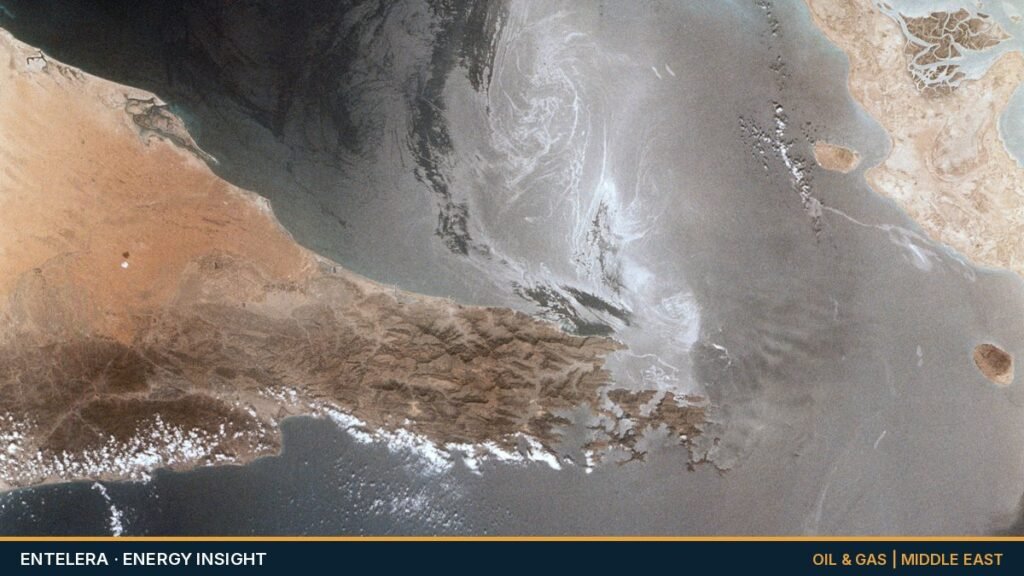
The restart gives Baghdad an export route that avoids the Strait of Hormuz. That matters because more than 90% of Iraq’s budget comes from oil export dollars. Until now, almost all of those barrels had to pass through the Gulf.
The war with Iran, which began in February 2026, hit those flows hard. According to The National, Iraqi exports fell from 3.36mn b/d in February 2026 to just 131,000 b/d in April 2026. As a result, monthly oil revenue that had hovered around $7bn collapsed. Our story on Gulf oil shipping and insurance costs showed how costly the route through Hormuz has become.
In addition, Khudair stressed the commercial upside. He said exporting through the northern outlet lets Iraq market its crude “without price discounts”. He called the restart “an important strategic step” for export capacity and for diversifying outlets.
Kirkuk-Ceyhan pipeline: history and capacity
The 960 km line links Iraq’s northern fields around Kirkuk with Türkiye’s Mediterranean port of Ceyhan. It had stood idle since 2014 after repeated attacks by ISIS. Meanwhile, in August 2026, Baghdad and Ankara signed a one-year deal to keep crude moving on the route. It allows transport capacity of up to 750,000 b/d. The two sides are still working on a longer-term arrangement.
Even at full rate, the target is modest next to Iraq’s pre-war exports. For example, 500,000 b/d equals about 15% of the 3.36mn b/d Iraq shipped in February 2026. So the Kirkuk-Ceyhan pipeline is a hedge, not a replacement for the Gulf terminals at Basra.
A wider push for new export routes
Baghdad is also working on a new pipeline from Basra to Haditha with a capacity of 2.5mn b/d. That project would move southern crude north and west, away from the Gulf. Together, the two lines would give Iraq more room to keep selling oil if Hormuz shipping stalls again.
What to watch next
First, traders will watch how fast flows climb from 120,000 b/d towards 500,000 b/d. Second, the government has not yet set out the scope and cost of the rehabilitation plan. Finally, Iraq and Türkiye still need a long-term deal to replace the one-year agreement signed in August 2026. Extra Kirkuk barrels reaching Ceyhan would also add supply to Mediterranean crude markets.
Sources
- Anadolu Agency: Iraq approves rehabilitation of oil pipeline to Türkiye as flows resume after 12 years
- The National: Iraq resumes pumping crude oil for export through pipeline to Turkey
- Iraqi News: Iraq resumes oil flows via rehabilitated Kirkuk–Ceyhan pipeline
- Entelera: OPEC says oil shipping and insurance costs now exceed a third of crude’s value