The Saudi Aramco Q3 2026 results show net income of $36.3bn, up 34.5% from $26.9bn a year earlier. The world’s largest oil exporter reported the figures on 3 November 2026. Higher sales and a gain on its PRefChem stake sale drove the rise, the company said.
Adjusted net income, which strips out one-off items, rose 9% to $31.2bn from $28.6bn. That beat the analyst consensus of $30.66bn compiled by the company, CNBC reported. Compared with Q2 2026, reported profit rose by ~$3.6bn, although adjusted profit fell slightly.
Refining drove the Aramco Q3 2026 results
Downstream was the standout of the Aramco Q3 2026 results. Aramco’s refining and chemicals business posted adjusted earnings before interest and tax of $10.3bn, up 234% year on year. As at other majors, wider refining margins lifted earnings, since the Strait of Hormuz crisis has tightened global fuel supply.
Cash flow also rose. Free cash flow reached $28.2bn, up from $23.6bn a year earlier. Consequently, the board declared a Q3 2026 base dividend of $21.9bn, up 3.5%, which Aramco will pay in Q4 2026.
In addition, the gain came from the PRefChem stake, which Aramco sold to Petronas in September 2026. However, higher operating costs partly offset the increase in profit.
“Geopolitical uncertainty and attacks on key energy facilities continued to amplify the global energy supply crisis,” said CEO Amin Nasser.
East-West pipeline expansion
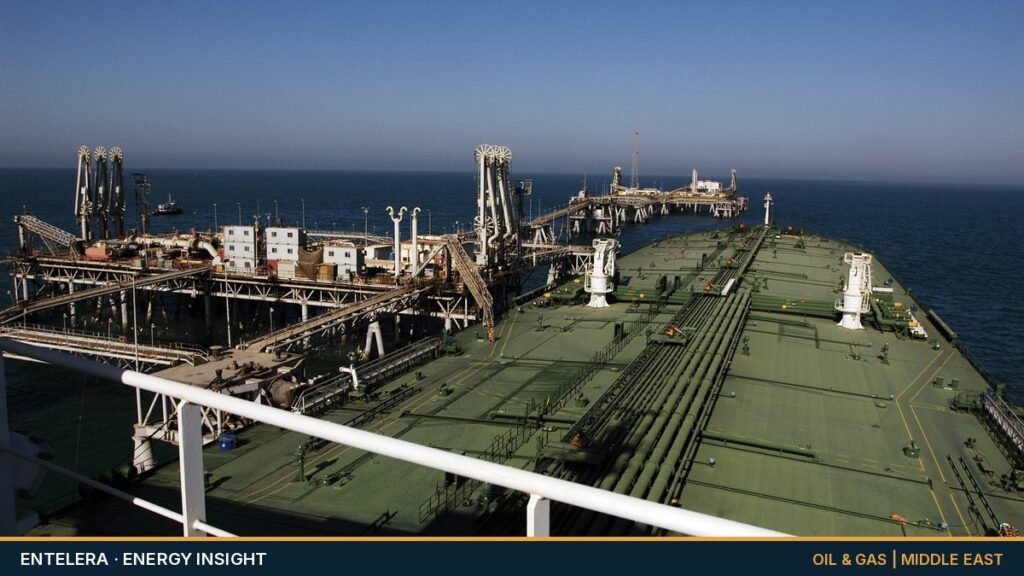
On a webcast, Nasser said engineering is under way to expand the East-West Pipeline from 7 mmbbl/d to 10 mmbbl/d. The line, also called Petroline, carries crude from Abqaiq in the Eastern Province to Yanbu on the Red Sea. As a result, it lets Saudi Arabia ship crude without passing through Hormuz.
“Our entire construction costs were recovered in around 15 days,” Nasser said. Still, he added that Aramco will not announce expansion details until it takes final investment decisions. The company is also exploring more overseas storage and other export routes. For more on how the pipeline changed Aramco’s trade, read our report on Aramco’s spot crude sales to Europe.
Aramco’s view on inventories
Nasser also warned that the supply shock will outlast the war. Even if markets normalised now, he said the world would need an extra 2 mmbbl/d for two years to refill stocks. Moreover, new storage by countries and companies could absorb a further 1 mmbbl/d.
He said global refined-product stocks were alarmingly low, especially for diesel. For traders, that view supports firm middle-distillate cracks and a backwardated crude curve even after any peace deal.
What the Aramco Q3 2026 results mean
The Aramco Q3 2026 results confirm that Gulf producers with export routes outside Hormuz have gained from high prices and margins. Meanwhile, Aramco highlighted its 49% stake in the Saudi AI firm HUMAIN. It also said its major upstream projects remain on track.
Next, watch for a final investment decision on the pipeline expansion. Also watch Aramco’s monthly official selling prices for Asia and Europe as Brent falls on US-Iran peace talks.