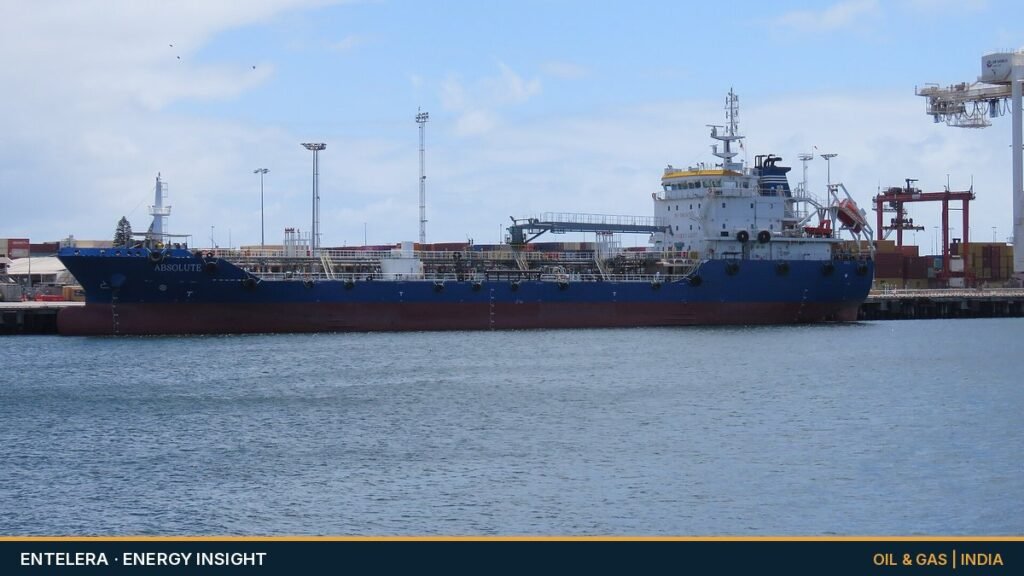
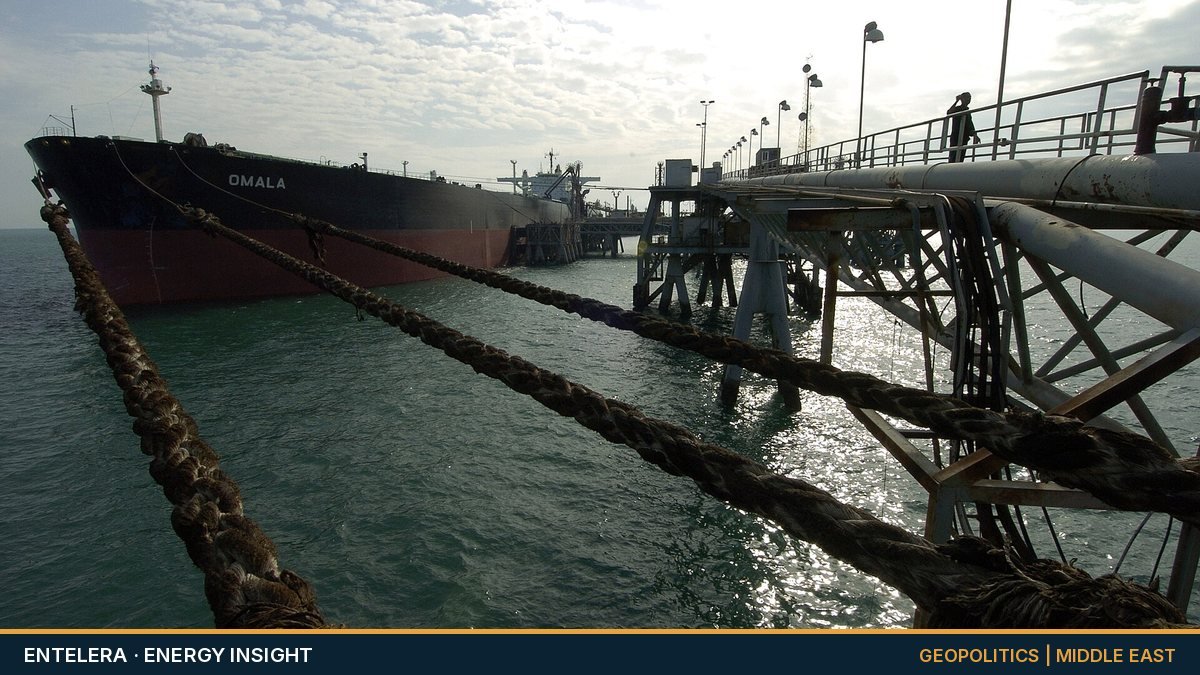
Iran’s Revolutionary Guards (IRGC) Navy says four oil tankers hit mines in the Strait of Hormuz on Friday 30 October 2026. All four then caught fire. According to Iranian state media, one of them was a tanker carrying more than 2mmbbl of crude. Meanwhile, new UK data show that attacks on ships in and around the strait hit a record in October 2026.
The IRGC said the ships exploded after they tried to use “unauthorised routes”. It also claimed that they had switched off their tracking systems and ignored radio warnings. However, Iran did not name the vessels or give details of their crews, and Reuters could not verify the claims.
What happened in the Strait of Hormuz
Officials reported several separate incidents on the same day. First, the UK Maritime Trade Operations agency (UKMTO) said an unknown projectile struck a vessel. The ship was about 40 nautical miles (74 km) south of Iran’s Lavan Island. The strike caused a fire on board, but the crew were safe. Later, UKMTO said a projectile hit a crude tanker as it sailed out of the strait.
In addition, Oman said it rescued 25 crew from a burning Panama-flagged tanker. The ship lay 1.6 nautical miles off its Musandam coast. It is not clear whether these ships are among the four that Iran described. Separately, an Iranian official said an attack on fishing boats left two fishermen missing and two hurt. He blamed the US.
A record month for attacks
According to UKMTO, more than 30 attacks hit commercial ships in October 2026. They took place in the Strait of Hormuz, the Gulf of Oman and the Gulf. That is more than double the September 2026 total. It also beats March 2026, the first full month of the war, when UKMTO logged 30 attacks. In total, UKMTO has logged 145 incidents since the war began on 28 February 2026.
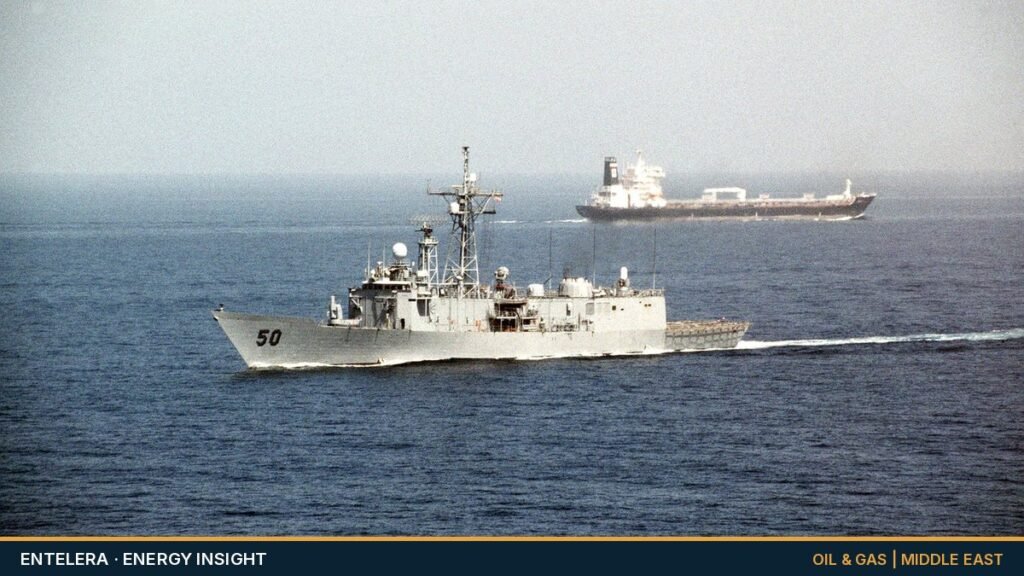
By contrast, US Central Command (CENTCOM) says more than 95% of ships have crossed safely in recent months. “When I flew over the strait, I saw dozens of commercial vessels transiting,” said its commander, Admiral Brad Cooper. “Here’s what I didn’t see: I didn’t see the IRGC out there, at all,” he added. The US now has 12 destroyers, two aircraft carriers and more than 10,000 personnel in the region.
Tehran raises the stakes
At the same time, Iran’s Supreme Leader Mojtaba Khamenei gave his commanders a clear order. They must meet any attack with an “immediate, impactful, and geographically unrestricted response”. Moreover, reports from Washington suggest the US has told Gulf allies to expect a strike. It could come as early as Wednesday 4 November 2026. That would come straight after the US midterm elections on 3 November 2026. Still, US Secretary of State Marco Rubio said President Donald Trump had not yet decided.
Diplomacy continues, too. Iran’s foreign minister, Abbas Araghchi, said talks with Qatari mediators had made progress. They cut the time needed to carry out Iran’s plan to reopen the strait. “We have reached a proposal at this stage that reduces the implementation period to two days,” he told Al Jazeera. Qatar had proposed five days.
Why the Strait of Hormuz matters for oil
Around one-fifth of the world’s oil supply normally passes through the strait. As a result, every attack feeds into prices. On Friday 30 October 2026, the expiring December Brent contract settled at $117.64 a barrel, its highest since April 2026. Meanwhile, the January contract closed at $113.43, and WTI ended at $104.12. Our report on Brent’s six-month high after the limpet mine attack covers that rally.
What to watch next
First, oil traders will watch the US midterm elections on 3 November 2026. After that, any US decision on Iran will matter. Second, insurers and shipowners will track whether mine strikes keep spreading to more tankers. Finally, any deal through Qatar on reopening the strait could ease freight costs and the risk premium in crude.
Sources
- gCaptain (Reuters): Iran’s IRGC Navy says four tankers catch fire in Strait of Hormuz
- ABC News (Australia): Iran Supreme Leader orders military to counter any attack with ‘unrestricted response’
- The National: Attacks on ships transiting Hormuz in October highest since start of war
- Fiscal Hour: Brent settled at $117.64 and WTI at $104.12 on Friday