Reliance Industries has redirected its fuel exports to East and South Africa, the Mediterranean and other European markets. The shift follows supply losses caused by the West Asia war. According to the company’s presentation for the July-September 2026 quarter, Reliance fuel exports lifted its market share in these regions by ~50%.
The company also found new buyers for premium petrol in Australia, Kenya and Tanzania. In addition, it raised diesel and jet fuel supplies to the Mediterranean. For the first time, it also sold low-sulphur jet fuel to South Africa.
Why Reliance fuel exports changed course
The war has damaged refining capacity in West Asia and cut the flow of fuel from the Gulf. As a result, buyers in Africa and Europe lost some of their usual suppliers. “In the case of diesel and jet fuel, we found opportunities in the Mediterranean market because of the loss of supply,” said Srinivasan Tuttagunta, the company’s chief operating officer for supply and trading.
Margins made the shift worthwhile. Petrol cracks rose to ~$25 a barrel in the quarter, up from $8.4 a year earlier. Meanwhile, diesel (gasoil) cracks jumped to $65.8 from $18.7. Jet fuel cracks also climbed, to $59.3 from $16.
Record profit from oil-to-chemicals
The export push helped the oil-to-chemicals (O2C) business deliver a record quarter. Its EBITDA rose 68% to INR252.03bn ($2.66bn). Similarly, O2C revenue grew 44% to INR2.32tn ($24.44bn), helped by high energy prices. Crude prices were 41% higher than a year earlier. Moreover, transport fuel prices rose by 50-78%.
Reliance fuel exports and crude costs
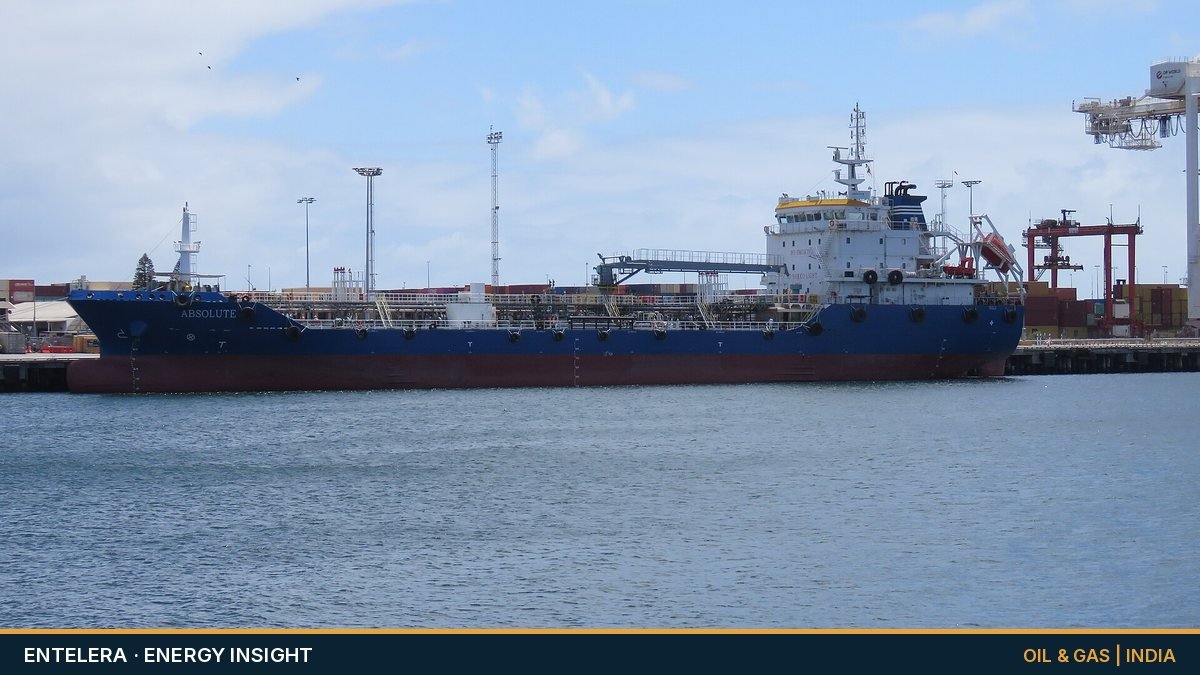
Crude buying became harder and more costly, however. Physical premiums, freight and insurance all rose. During the quarter, Brent swung between $70 and $130 a barrel. To manage freight costs, Reliance deployed more than 20 vessels of its own. Its total fleet of crude and product ships is now approaching 25.
The company also changed where it buys crude. It shifted purchases between the Americas, the Gulf and other regions to follow supply and price. For more on its crude sourcing, read our report on Reliance, Venezuelan crude and Jamnagar.
Serving the home market too
At home, Reliance nearly doubled its LPG output to meet demand. To do this, it cut production of other products, including alkylate and some petrol blending parts. India’s petrol consumption grew 8.5% year on year during the quarter.
What to watch next
First, watch India’s export duty on diesel and jet fuel, which the government reviews every fortnight. Second, look for any easing of the West Asia war, which would bring Gulf refiners back. Finally, refining margins will show whether Reliance can keep its new market share in Africa and Europe.