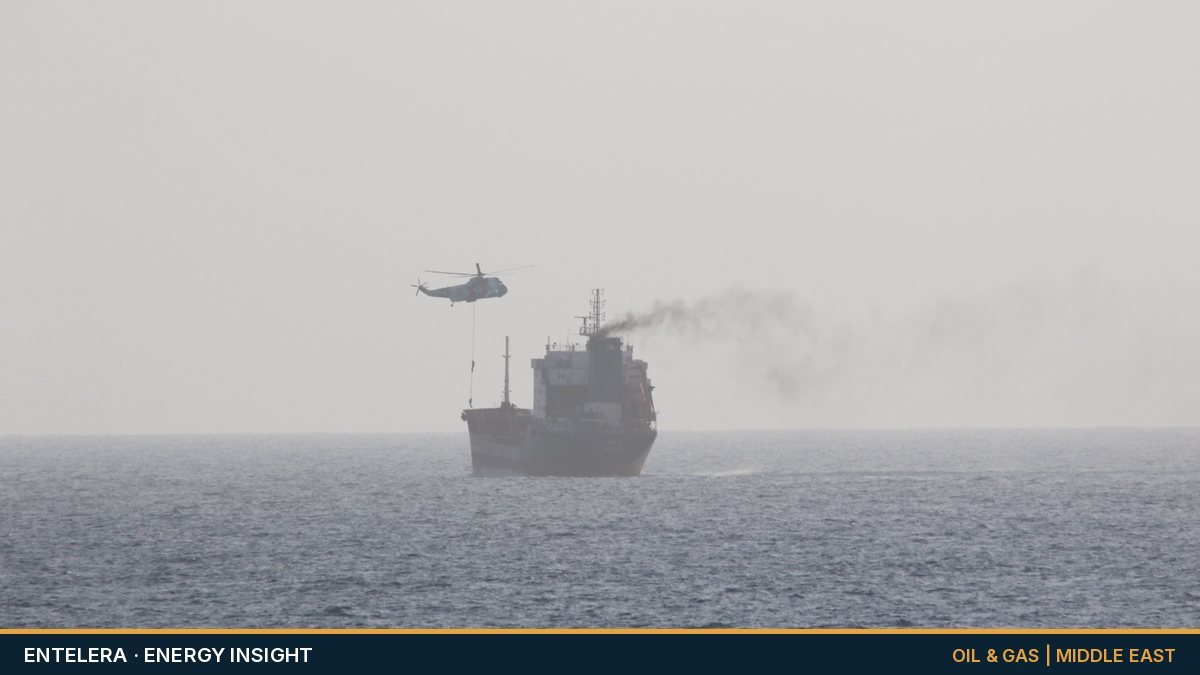
Strait of Hormuz tankers came under fresh attack over the weekend. Meanwhile, Iran prepared to test a US naval blockade of its ports. On 22 November 2026, Iran’s navy said two tankers caught fire after hitting mines east of the strait. In response, US President Donald Trump vowed to sink any Iranian ships that try to run the blockade.
What happened to the Strait of Hormuz tankers
According to Iran’s navy, the two ships had entered a “restricted area” with their tracking systems switched off. Separately, the Revolutionary Guards’ navy reported explosions that disabled two supertankers north of Ghanam Island, east of the strait.
The UK Maritime Trade Operations agency (UKMTO) also logged a tanker incident “with military forces” in the Gulf of Oman. The location lay near the Iranian port of Chabahar, close to the US blockade line. UKMTO said investigations were ongoing. However, it did not confirm the mine reports, and it remains unclear whether they describe one incident or several.
In total, attacks have struck seven tankers in the strait since 16 November 2026, the Joint Maritime Information Centre said.
Trump: blockade runners will be sunk
Iranian state media had said Iran might test the blockade. Indeed, Iran has gathered more than 14 loaded tankers off Kharg Island, as we reported on 20 November 2026. Deputy foreign minister Kazem Gharibabadi called the blockade “an act of war”.
Asked about a breakout, Trump told Fox News on Sunday: “I hope they do.” He added: “they’ll all be at the bottom of the sea like the rest of the navy.” He also said he leans towards new strikes on Iran after the new year if the two sides fail to strike a deal.
Trump called Iran’s negotiators “professional tap dancers”. Moreover, he said Tehran was “more aggressive now than before the election”. Still, indirect talks are continuing, according to Iran International.
Attacks spread to Bahrain
Over the weekend, the Revolutionary Guards said they hit two US Patriot radars at Riffa and Awali in Bahrain. By contrast, Bahrain said the strike hit a civilian industrial site and injured two people. According to a US official, it marked the fourth attempted attack on Bahrain in about a week.
At the same time, Britain and several Gulf states have privately urged Washington not to launch new strikes, Bloomberg reported. They fear Iranian retaliation and a long disruption to energy supplies.
What it means for Strait of Hormuz tankers and oil
So far, the oil market has shrugged off the attacks. In fact, Brent fell 28 cents, or 0.30%, to $92.29 a barrel by 02:16 GMT on Monday, Reuters reported. Crude exports are still leaving the Gulf, and a supply surplus is building.
Yet the shipping data shows strain. Mukesh Sahdev of XAnalysts pointed to a build in empty “ballast” tankers, while laden counts are not rising. “This risk to flows will start to price soon,” he added. For the full price picture, see our Brent crude price update for today.
What to watch next
First, watch whether loaded Iranian tankers try to cross the blockade line this week. Second, any US move to stop them could trigger the Iranian strikes on Gulf energy sites that Tehran has threatened. Finally, insurers and owners may pull more ships if the hits continue.
Sources
- Euronews: Tanker incident ‘involving military forces’ reported in Strait of Hormuz
- Iran International: Trump threatens Iran strikes in new year, says blockade runners face sinking
- Fox News: Trump warns of new strikes against Iran after new year, calls negotiators ‘professional tap dancers’
- Business Standard (Reuters): Oil prices fall amid equity selloff though Iran war attacks limit losses