The Brent crude price slipped on Monday 23 November 2026, extending a three-week losing streak. Brent futures dropped 28 cents, or 0.30%, to $92.29 a barrel by 02:16 GMT, Reuters reported. Meanwhile, US West Texas Intermediate (WTI) lost 15 cents, or 0.18%, to $83.26.
Earlier, Brent had traded as low as $91.72 in early Asian hours, CNBC-TV18 reported. On Friday 20 November 2026, it settled at $92.57, while WTI settled at $83.98.
Why the Brent crude price is falling
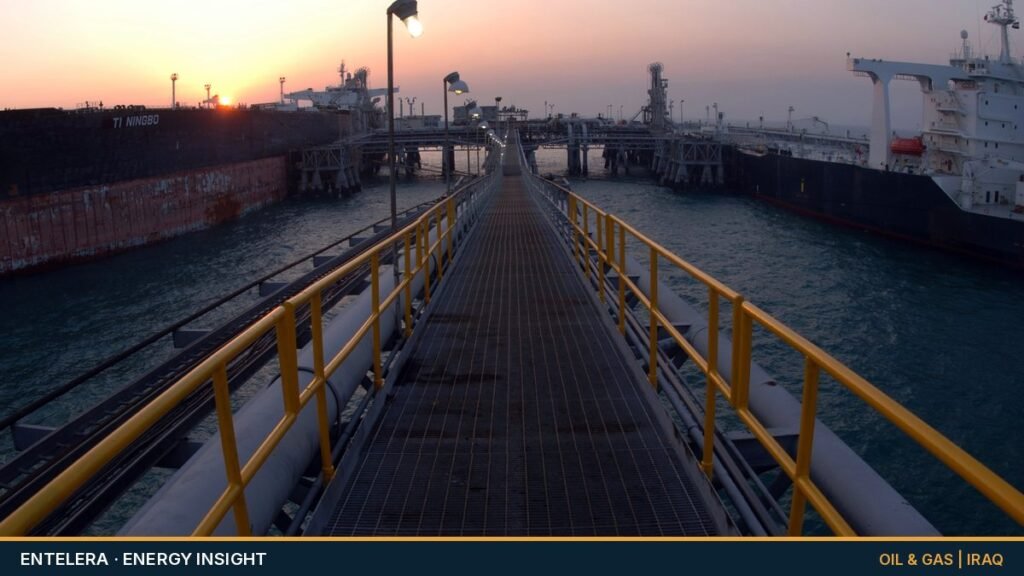
Above all, supply is flowing. Crude shipments are still leaving the Gulf despite frequent attacks on tankers near the Strait of Hormuz. As a result, Brent has dropped by about a fifth in November 2026.
Forecasters also see a glut. The International Energy Agency expects a surplus of roughly 2 mmbbl/d in Q4 2026. Similarly, Goldman Sachs sees a surplus of around 2 mmbbl/d in 2027.
“Current flows out of the Middle East should see global oil inventories build,” said John Oh of Commonwealth Bank of Australia. Still, he said the market prices a $25 to $30 a barrel premium for the risk of wider US-Iran fighting.
In addition, a wider market selloff hit oil on Monday. South Korea’s tech-heavy market fell 4%, after the Nasdaq plunged 10% last week, Reuters reported.
What is still supporting oil
However, the war keeps a floor under prices. At the weekend, Donald Trump told Fox News he leans towards new strikes on Iran after the new year without a deal. Meanwhile, Yemen’s Houthis claimed an attack on Saudi Arabia’s Rabigh refinery on Sunday.
Over the weekend, blasts also struck several tankers near the strait. For details, see our report on the latest Strait of Hormuz tanker attacks. “It’s momentum carrying (oil) down,” said Mukesh Sahdev of XAnalysts. Even so, he warned that risks to flows “will start to price soon”.
Weekly picture for the Brent crude price
Last week, Brent fell 3.4% and WTI lost 5.2%, according to the Al Attiyah Foundation. Furthermore, trading may be thin this week. Many traders will likely stay away for much of the US Thanksgiving holiday.
Climate talks added to the mood. At COP31 in Turkey, talks collapsed on Sunday over a fossil fuel phase-out. That is a first since 2009, Reuters said. Saudi Arabia and other producers had lobbied to keep fossil fuels out of the text.
What to watch next
The next big test is OPEC+. Ministers meet on 29 November 2026 to decide output policy for 2027, using a new audit of members’ capacity. Beyond that, traders will track loaded Iranian tankers near the US blockade line. Any sign of a US-Iran deal, or of renewed strikes, could move the Brent crude price sharply.
Sources
- Business Standard (Reuters): Oil prices fall amid equity selloff though Iran war attacks limit losses
- The Business Times: Oil edges lower as ample supply outweighs Middle East tensions
- Investing.com: Oil falls as robust Gulf exports offset Iran escalation, supply glut risks
- CNBC-TV18: Brent steadies around $92 even as West Asia conflict risks persist
- Al Attiyah Foundation: Weekly Energy Market Review, 21 November 2026
- OPEC: Seven OPEC+ countries reaffirm commitment to market stability