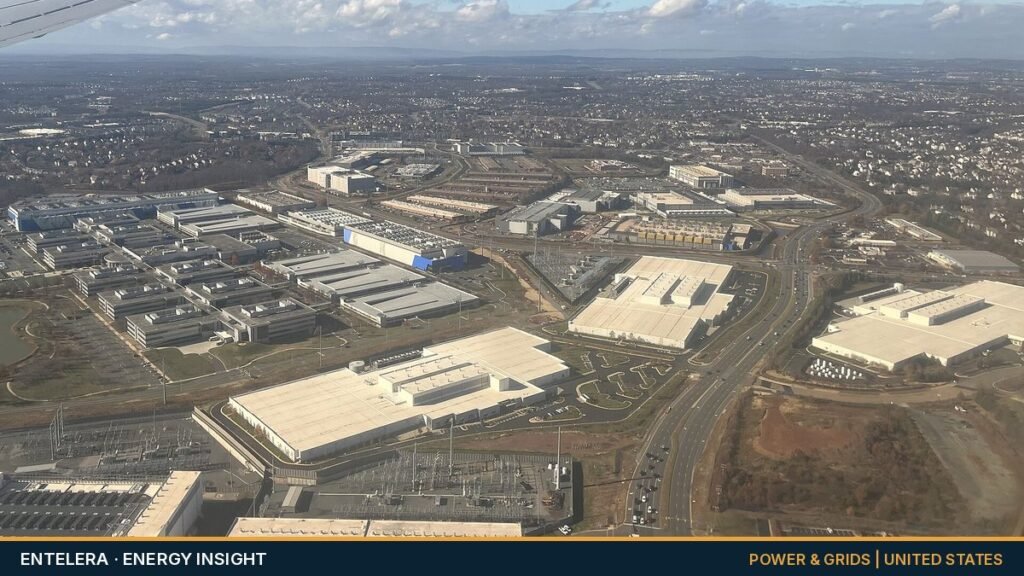
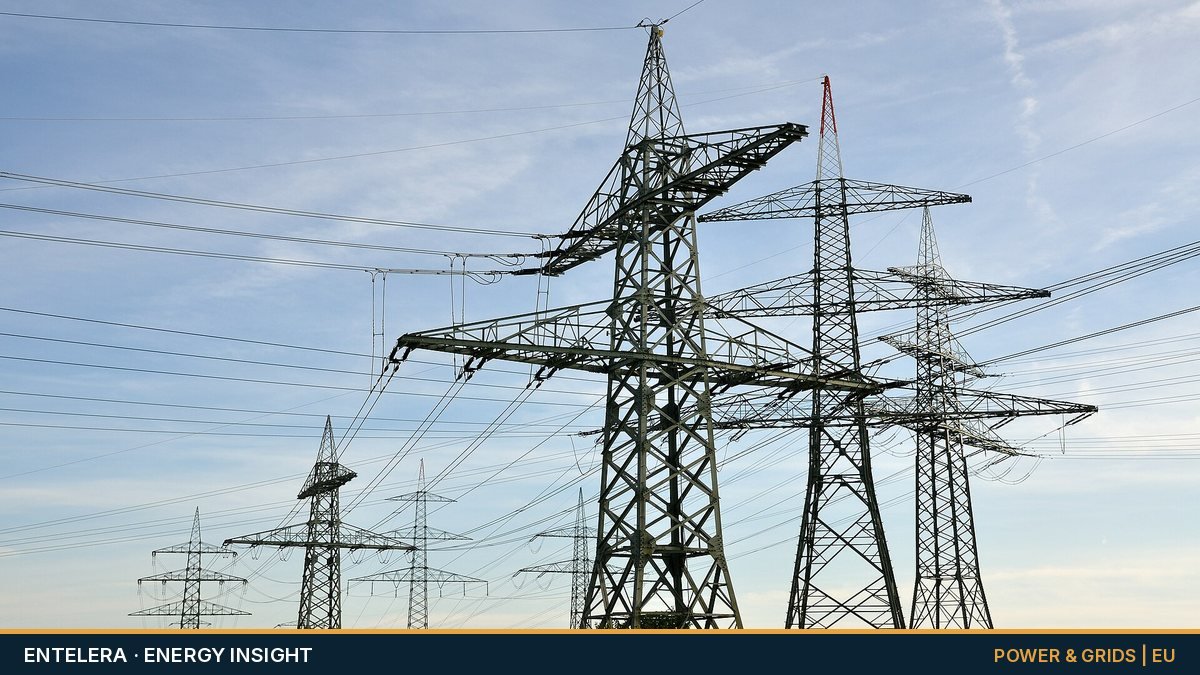
The EU grids package has cleared its first big hurdle. On 18 November 2026, the European Parliament and the Council of the EU reached a provisional deal. The new rules aim to speed up permits for clean energy infrastructure. The rules cover electricity grids, energy storage, recharging stations and renewable projects such as wind and solar.
Above all, the deal targets slow permitting. Today, an EU transmission grid project takes more than 10 years on average, the European Commission said. Moreover, more than half of that time goes on permits.
What the EU grids package deal changes
For the first time, the rules set time limits on permits for transmission and distribution grids. The same applies to stand-alone storage and recharging stations. In addition, these assets get a general presumption of “overriding public interest”, which gives them priority in planning decisions.
However, countries can choose not to apply that presumption in some cases. Specifically, they may protect security and defence interests or cultural heritage, the Council said.
For renewable projects, permitting will move fully online. Applicants will use single digital portals, or connected portals, as one point of access. Furthermore, the rules drop permits for some small projects and speed up upgrades of existing sites. They also streamline environmental assessments “without jeopardising nature protection”, the Commission said.
Tacit approval and local benefits
Member states may also opt for “tacit approval” for intermediate steps. In that case, if an authority does not respond within the time limit, the step counts as approved.
At the same time, the deal sets out principles for public involvement. For instance, countries can appoint an independent facilitator. Similarly, renewable projects above 7 MW would share benefits with the local communities that host them.
Dan Jørgensen, the EU’s energy commissioner, welcomed the deal. Faster permits mean “we can massively accelerate the deployment of electricity grids, renewable energy projects and storage facilities”, he said.
Why the EU grids package matters
The Commission calls modern grids a key precondition for adding more clean energy. In its view, they will also structurally lower prices and help achieve energy independence. As a result, it sees faster permits as a way to cut bills and reliance on imported fossil fuels.
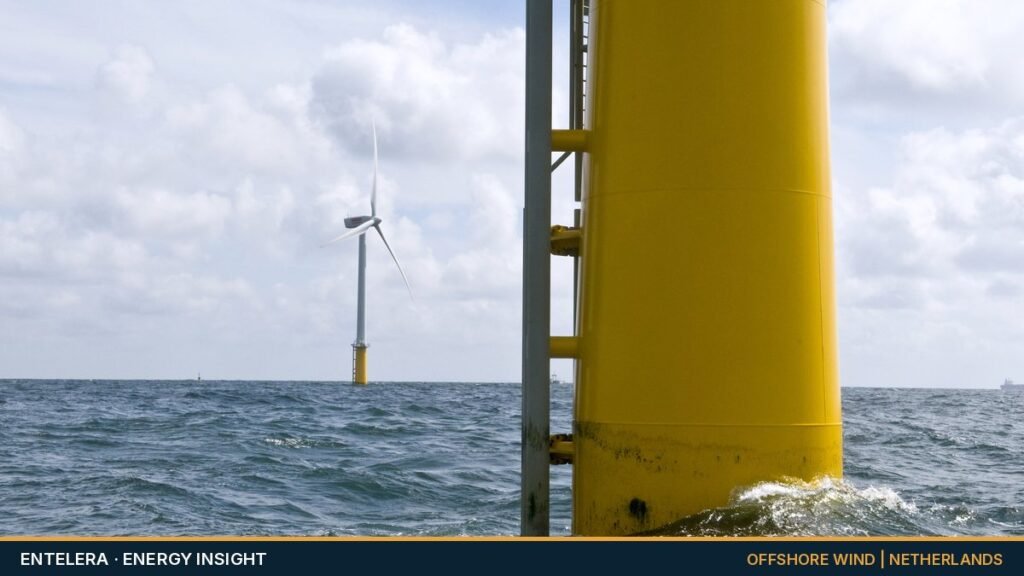
The deal also supports big projects already under way. For example, the Netherlands recently won EU approval for €9.45bn ($10.39bn) of support. That aid backs two 1 GW offshore wind farms at IJmuiden Ver.
What to watch next
First, both the Parliament and the Council must formally adopt the text. After that, member states will have 18 months to write the rules into national law. Meanwhile, talks continue on the second part of the package, a revised TEN-E Regulation on infrastructure planning. Finally, watch how many countries use the security and heritage opt-outs. After all, that will shape how much faster permits really become.
Sources
- European Commission: Commission welcomes political agreement on faster and simpler permitting for grids, clean energy projects
- Council of the EU: Grids package: Council and Parliament agree to streamline permitting for a faster clean energy transition
- The Brussels Times: New EU deal simplifies energy permits but raises security and heritage concerns
- European Parliament: Electricity grids: MEPs reach deal with Council on faster project permitting
- Entelera: Dutch offshore wind aid: EU clears €9.45bn for two 1 GW IJmuiden Ver farms