Shell has agreed to sell Daystar Power Group, its West African solar and hybrid power business, to Nigeria’s Elektron Energy. Under the deal, Elektron Renewables will buy 100% of Daystar Power Group from Shell Overseas Investments B.V. The statement came out on 17 November 2026. However, it did not give a price. Daystar runs an approximately 150 MW platform serving businesses.
What Daystar Power Group does
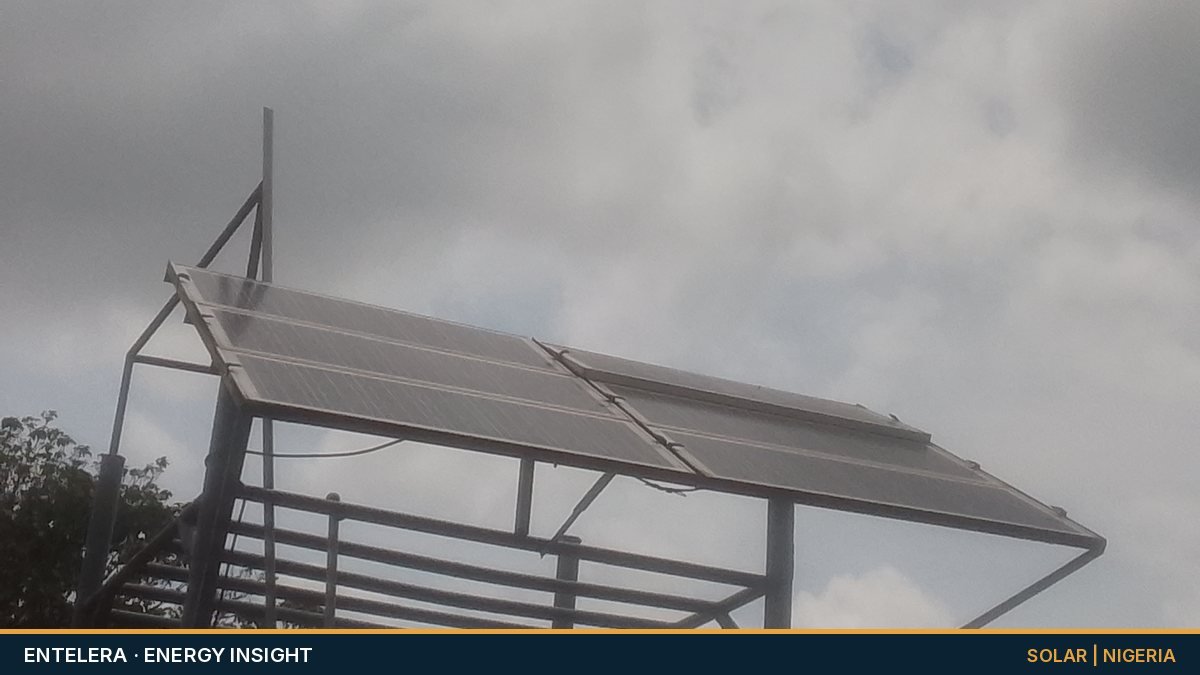
Daystar supplies solar and hybrid power systems to commercial and industrial customers. It operates in five markets: Nigeria, Ghana, Côte d’Ivoire, Senegal and Togo. Under its model, clients get cheaper, more reliable power without owning or maintaining the equipment. As a result, they rely less on the grid and on diesel generators.
Its customers include Nigerian Bottling Company, 7Up Nigeria, Seplat Energy and UAC Foods Nigeria. In other words, its base is mostly manufacturers and other large energy users.
Founders set up Daystar in 2017, and its head office sits in Lagos. Shell completed its takeover of the company in December 2022, as part of its renewables and power solutions business.
Elektron’s plan for Daystar Power Group
Elektron Renewables belongs to Elektron Energy Development Strategies Limited. The buyer says Daystar complements its existing energy infrastructure and renewables platform. Deen Solebo is Elektron’s co-CEO and CFO. He said Daystar’s “strong and complementary solar and hybrid capabilities accelerate our strategy to build a diversified cleaner energy platform”. He added that the deal would strengthen its ability to supply reliable power across West Africa.
The sale still needs regulatory approvals. Until then, Daystar’s day-to-day operations will not change.
Why Shell is selling
Neither statement gave Shell’s reasons. Even so, the sale takes a small, distributed solar business out of a group whose cash comes mainly from oil, gas and LNG. Shell’s Q3 2026 results showed that cash funding large buybacks.
Daystar Power Group is also a case study in how oil majors tried small-scale power in Africa. Shell bought into a fast-growing start-up, then kept it as a standalone business in Lagos. Now that platform passes to a regional owner.
For Shell, a 150 MW distributed solar platform is small. However, for a regional player like Elektron, it adds scale, customers and a footprint in five countries at once.
Why it matters for West Africa
Businesses in Nigeria and its neighbours often face unreliable grid supply and high diesel costs. Therefore, on-site solar and hybrid systems have become a popular way to cut power bills. Moving Daystar to a Nigerian buyer also shows local investors stepping in. Meanwhile, international oil companies keep selling smaller assets in the region.
What to watch
First, watch for regulatory approvals and a completion date. Then look for any disclosure of the price. Finally, Elektron’s next move will matter: it could use Daystar to grow faster in Ghana, Côte d’Ivoire, Senegal and Togo.