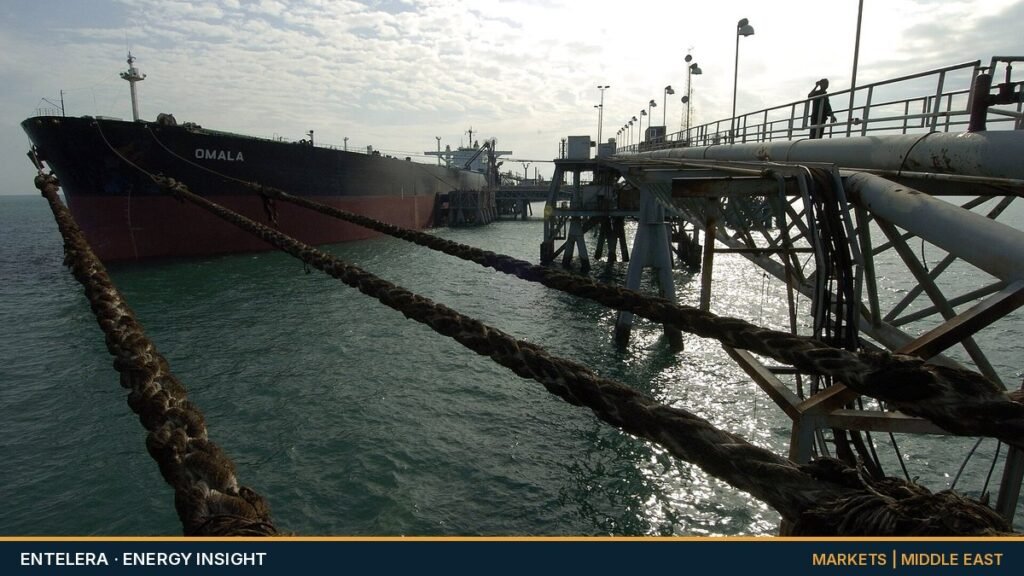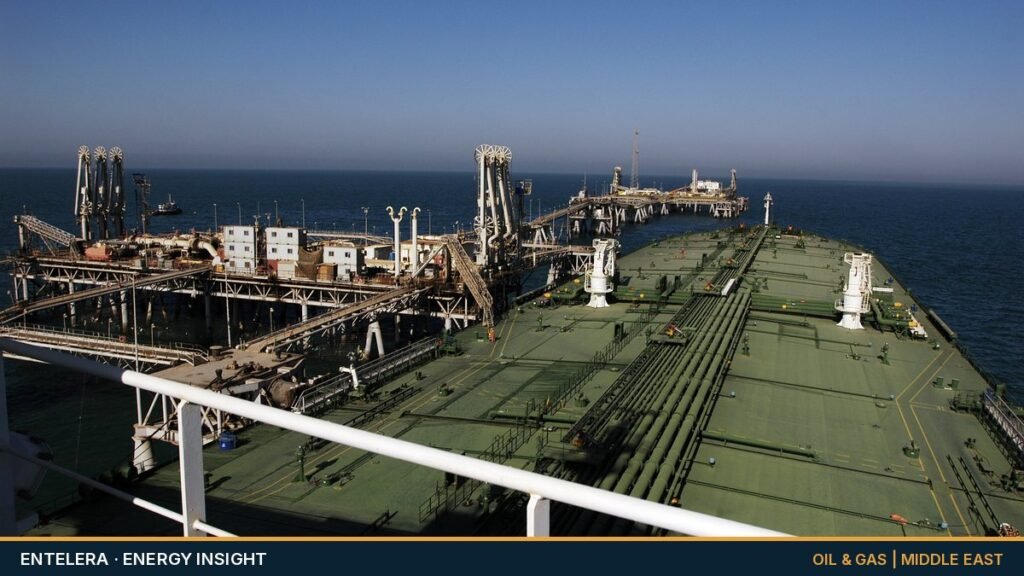
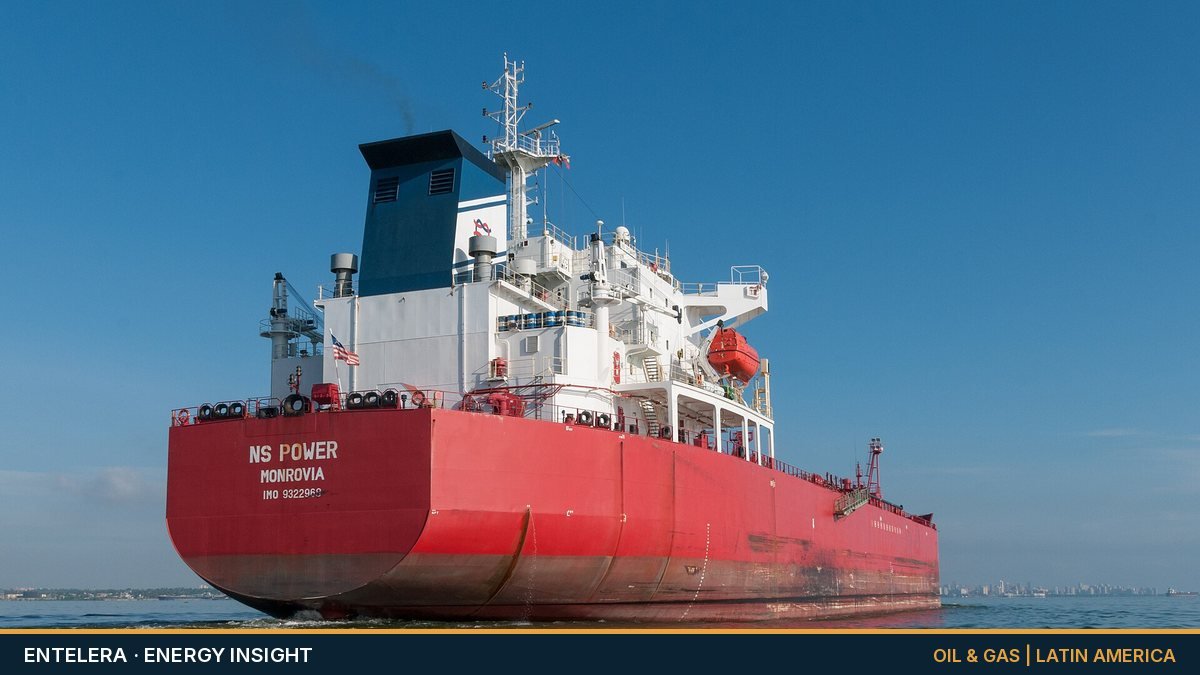
The first 1mn barrels of Venezuelan oil under a US deal with producer NABEP unloaded in Corpus Christi, Texas, on 27 October 2026. Two tankers carried the heavy crude. The US government will sell it to refineries run by Exxon Mobil and Citgo Petroleum, a White House official told Reuters. Citgo is Venezuelan-owned.
President Donald Trump visited the port and spoke in front of one of the tankers. Then, on 28 October 2026, the White House said the oil came “at no cost” to taxpayers. It added that Texas refineries will process it.
A “gift” or discounted Venezuelan oil?
Trump called the cargo a gift. “They’ve sent me as a gift a boatload of a million barrels of oil,” he told reporters.
However, the Washington Post reported that the oil was not free. The two sides signed the contract in August 2026. Under it, the US can buy 20% of NABEP’s crude at $30 a barrel, two people familiar with the shipment said. That is less than a third of the market price. Similarly, NABEP’s own statement first linked the cargo to this right to buy at cost. Later, the company changed it to say the cargo came at no cost to taxpayers.
Who is NABEP
Venezuelan billionaire Alejandro Betancourt controls NABEP, or North American Blue Energy Partners. The deal gives Washington a 35% stake in NABEP’s parent company. It also gives the US discounted access to its crude. In return, NABEP received 14 more oilfields on top of its three. There was no competitive process, Reuters reported.
The pact followed the capture of former president Nicolás Maduro by US forces in January 2026. Since then, the US has backed Delcy Rodríguez as interim president, according to the Washington Post.
NABEP says its 17 fields hold an estimated 65bn barrels of reserves. Its output reached 0.22 mmboe/d as of 19 October 2026. Two years ago, it pumped only about 0.018 mmbbl/d. Moreover, its largest active project, Petrozamora, now produces 0.115 mmbbl/d, Betancourt said last week.
“This first shipment since the US-NABEP deal will be followed by thousands of such arrivals,” Betancourt said. He added that the trip to Texas took just over a week. By contrast, crude from the Middle East takes more than a month.
Will Venezuelan oil lower US fuel prices?
The White House says the deal will cut prices at the pump. However, oil experts told the Washington Post the deal is unlikely to move US gasoline prices much. For scale, US benchmark WTI settled at $102.78 a barrel on Wednesday. Meanwhile, Brent crude held near $115.
Politics also matter. The US midterm elections take place on 3 November 2026. So the shipment lets Trump point to cheaper crude while fuel costs weigh on voters, Reuters noted.
What to watch
First, the market will watch how fast NABEP can raise exports. Second, traders will see whether more US Gulf Coast refiners buy Venezuelan heavy crude. Finally, any legal or political challenge to the terms in Washington could affect future cargoes.
Sources
- Devdiscourse (Reuters): First Venezuelan oil from US-NABEP deal arrives in Texas
- The White House: Arrival of first one million barrels of oil in Texas
- The Washington Post: Trump to greet Venezuelan oil shipment, calling it a ‘gift.’ The U.S. paid for it.
- NABEP: First NABEP Crude Cargo Under U.S. Agreement Arrives in Texas
- Business Recorder (Reuters): Oil prices edge up about 1pc