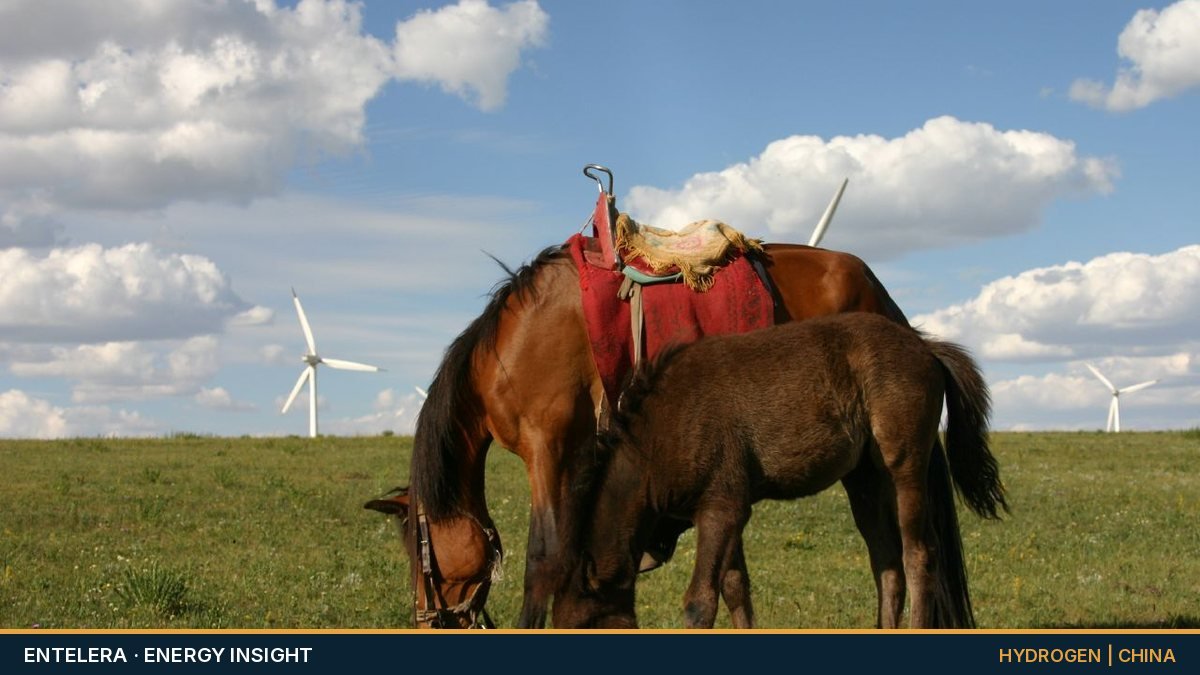
Sinopec has officially launched a giant green hydrogen scheme in Ulanqab, Inner Mongolia. An 805-kilometre pipeline will carry the gas to Beijing and Tianjin. The Sinopec Ulanqab hydrogen project is China’s largest wind-and-solar hydrogen development. Sinopec held the launch on Saturday, 14 November 2026. National media reported it on 16 November 2026.
What the Sinopec Ulanqab hydrogen scheme includes
The plant will convert wind and solar power into hydrogen. It will then send that hydrogen by pipeline, rather than only by truck or in a local cluster. CGTN called it China’s first large-scale, long-distance inter-provincial scheme that links production, storage, transport and use of pure hydrogen.
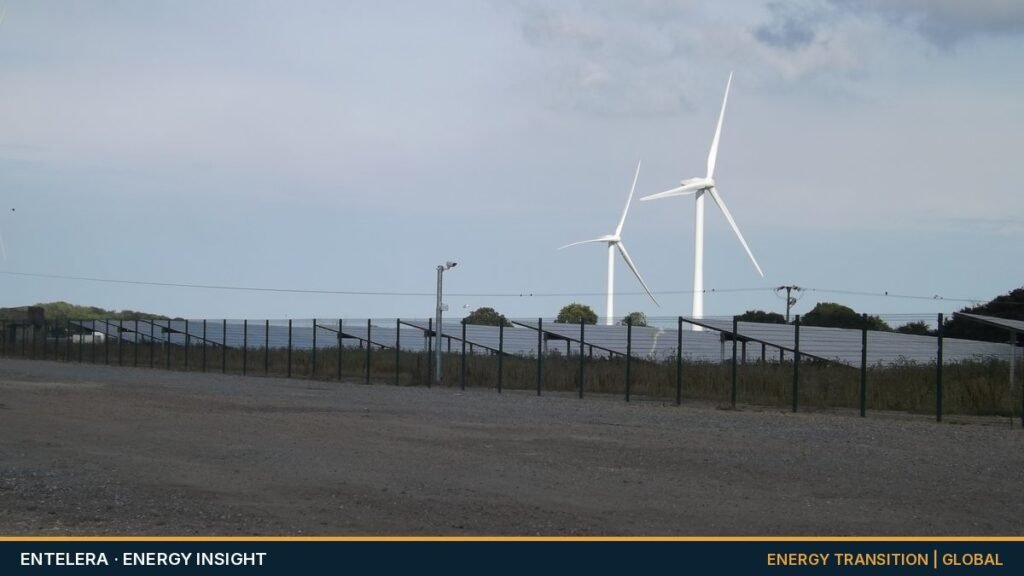
Sinopec plans two phases. Phase 1 targets 100,000 tonnes of hydrogen a year. Phase 2 would raise that to 200,000 tonnes a year. In addition, phase 1 includes 2.45 GW of wind and solar capacity and about 1 GW of electrolysers.
The 805-kilometre pipeline will start at the Shangdu station in Ulanqab. Then it will cross 21 counties and districts in Inner Mongolia, Hebei, Tianjin and Beijing. ChemXplore, citing Sinopec, said the line can move 300,000 tonnes a year at first. After pressurisation in phase 2, that rating would rise to 500,000 tonnes a year.
Who will use the hydrogen
The first industrial buyers are Yanshan Petrochemical and Tianjin Petrochemical. They will use the green hydrogen in place of conventional grey hydrogen. Moreover, Sinopec says the system can later support hydrogen blending in natural gas, hydrogen metallurgy, hydrogen-powered transport and trade.
Upon completion, phase 1 should cut net carbon emissions by about 1.73 million tonnes a year. The project also appears in China’s 15th Five-Year Plans. Those plans cover the new energy system and petroleum and natural gas development. As a result, it is a national infrastructure play, not only a local demonstration.
Why the Sinopec Ulanqab hydrogen pipeline matters
Most early green hydrogen plants have struggled to reach users at scale. A dedicated long-distance pipe is Sinopec’s answer to that bottleneck. In particular, it ties surplus renewable power in Inner Mongolia to petrochemical demand around Beijing and Tianjin.
The launch also adds a low-carbon line to a company better known for oil, refining and LNG. Earlier this month we covered Sinopec’s 15-year TotalEnergies LNG framework. By contrast, Ulanqab bets on wind-and-solar molecules rather than imported LNG.
If those first users switch as planned, the Sinopec Ulanqab hydrogen scheme could become a template for other inland renewable basins in China. However, utilisation of the 805-kilometre line will be the real test of whether a dedicated hydrogen pipe can compete with trucks and with grey hydrogen on cost.
What to watch
First, watch when phase 1 electrolysis and the pipeline actually enter service. A launch is not the same as first hydrogen. Then look at whether Yanshan and Tianjin fully switch away from grey hydrogen. Finally, the phase 2 expansion to 200,000 tonnes a year will test industrial demand. It will also show whether the 500,000-tonne pipeline rating can grow as planned.
Sources
- CGTN: China’s largest integrated wind-solar hydrogen project launched
- ChemXplore (citing Sinopec): Sinopec launches Ulanqab green hydrogen and pipeline project
- Hydrogen Insight: Sinopec kicks off China’s largest green hydrogen production and pipeline project
- Entelera: Sinopec signs 15-year TotalEnergies LNG framework for about 2 mtpa from 2028