The Equinor VNG gas deal locks in Norwegian supply for Germany until the end of 2044. On 24 November 2026, Equinor agreed to sell up to 15.3 TWh of natural gas a year, around 1.4 bcm, to VNG. Deliveries start on 1 January 2027 and run until 31 December 2044. As a result, it is Norway’s longest gas sales agreement since the Troll contracts of 1986, Equinor said.
Terms of the Equinor VNG gas deal
Equinor will deliver the gas at Trading Hub Europe, Germany’s gas market area. Pricing will “reflect market terms”, while other commercial details stay confidential. Over the full term, the contract covers up to about 25 bcm.
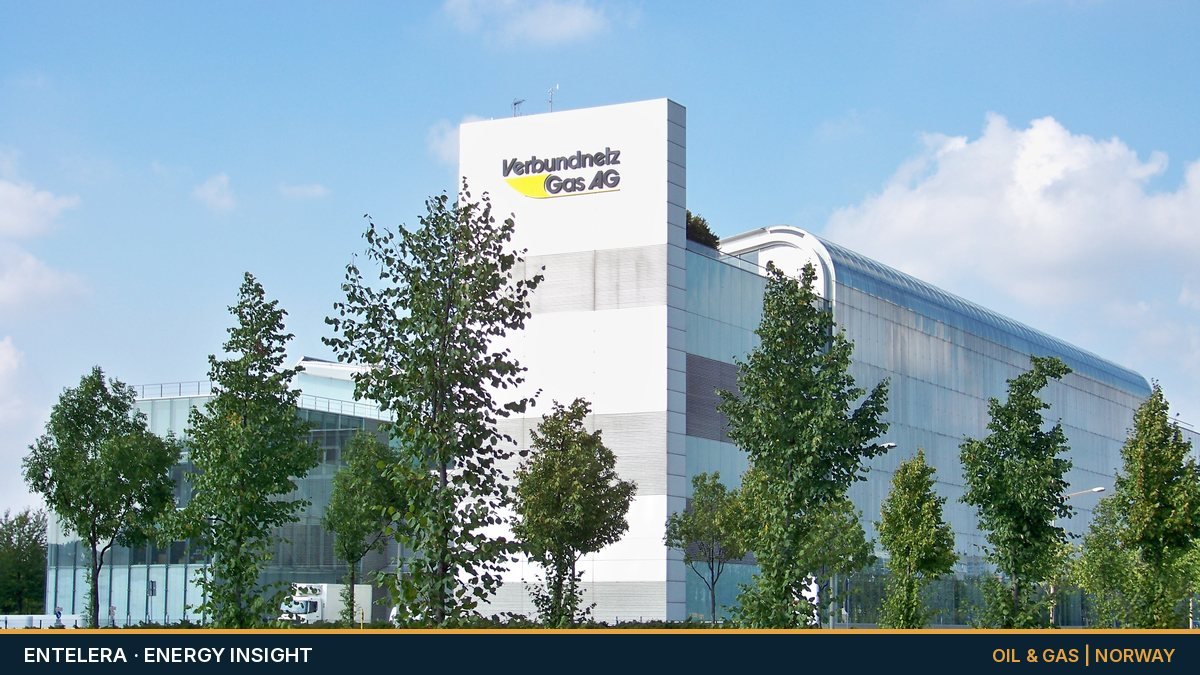
Equinor CEO Anders Opedal and VNG chief Ulf Heitmüller signed the deal in Oslo at the Equinor Autumn Conference. The buyer is VNG Handel & Vertrieb, a wholly owned subsidiary of Leipzig-based VNG AG.
“This milestone agreement with VNG demonstrates the continued demand for long-term gas supplies in Europe,” Opedal said. Heitmüller, for his part, said Norwegian pipeline gas “continues to play an important role” in Germany’s supply.
Why Germany wants long-term Norwegian gas
Germany is Equinor’s largest gas market. Indeed, it has been an anchor market for Norwegian gas since exports began in 1977. VNG’s ties go back too: the first Norwegian gas reached eastern Germany in 1996.
For VNG, the contract is one part of a wider buying plan. It mixes long-term deals with flexible purchases on European trading hubs, from several source regions and routes. Moreover, pipeline gas from Norway travels short distances, which keeps supply-chain emissions low, VNG said.
The timing also matters. European gas prices rose for a fourth straight session on Tuesday as a cold snap hit. The Dutch TTF front-month contract topped €90.50 ($98.77) per MWh early in Amsterdam, OilPrice.com reported. On Monday, prices had opened more than 8% higher.
Meanwhile, storage is thin. EU sites were 68.9% full on 23 November 2026, against a five-year average of 89% and about 82% a year earlier, according to Gas Infrastructure Europe data. Before winter, they peaked at only about 76%.
The trading angle on the Equinor VNG gas deal
For traders, the deal is a sign of where buyers now see risk. In our view, German importers are again willing to commit to long tenors for security of supply. Still, pricing follows the market, so VNG keeps exposure to TTF and THE swings. In other words, the contract fixes volume and delivery, not price.
On the other side, Equinor locks in a home for pipeline gas for almost two decades. That supports long-term field investment on the Norwegian shelf. Similarly, Poland’s Orlen is seeking a new deal with QatarEnergy, as we reported in our story on Orlen QatarEnergy LNG talks. Together, these moves point to a revival of long-term contracting in Europe.
What to watch next
First, watch whether other German importers sign similar long-term deals. Second, watch EU storage draws during the cold spell. Finally, any outage on the Norwegian shelf this winter would quickly test how much long-term cover buyers really have.
For a deeper analysis, read: Equinor VNG Deal: Why Germany Is Locking Volume, Not Price, Into 2044
Sources
- Equinor: Equinor and VNG sign 18-year gas sales agreement for supplies to Germany
- VNG: VNG secures long-term gas deliveries from Norway to the end of 2044
- Offshore Engineer: Equinor Inks 18-Year Gas Supply Deal with Germany’s VNG
- OilPrice.com: European Gas Prices Climb as Cold Snap Threatens Depleted Reserves