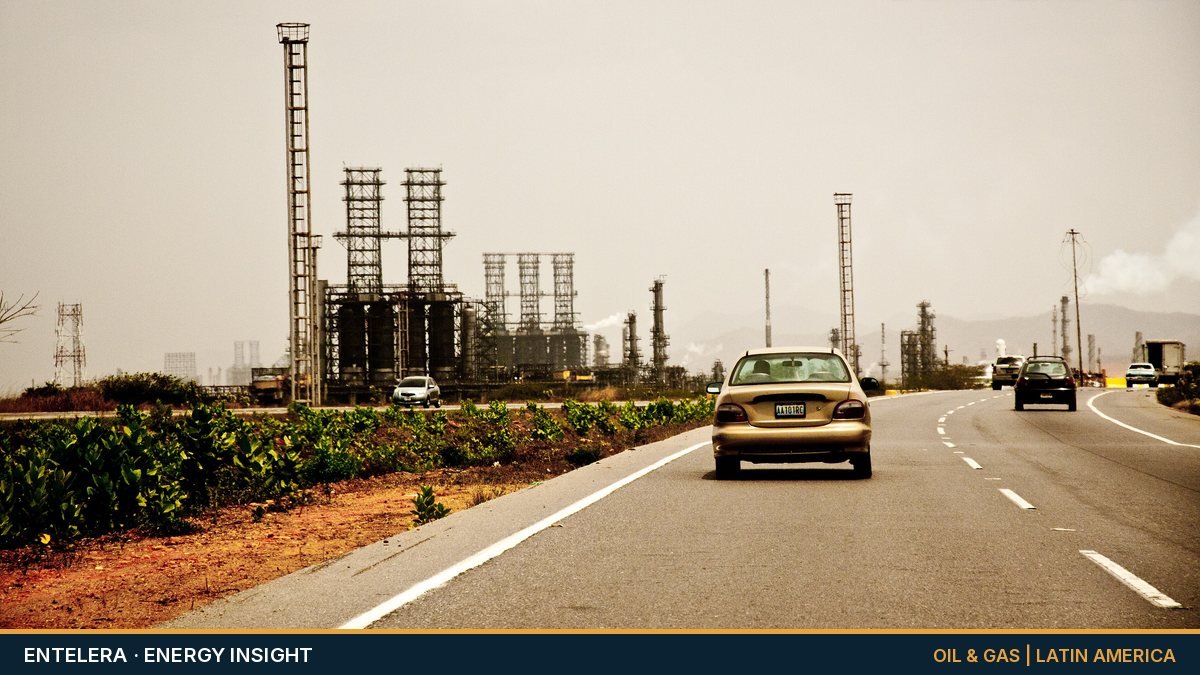
ExxonMobil Venezuela talks have moved onto paper. On Monday, 9 November 2026, the largest US oil company signed a memorandum of understanding (MOU) with Venezuela’s government. State oil company Petróleos de Venezuela SA (PDVSA) also signed. The deal sets out how the two sides will evaluate upstream oil and gas opportunities in the country.
The MOU is not binding, Reuters reported, according to Quartz. Therefore, it does not commit ExxonMobil to any project. The company has not named the fields under review. Moreover, it would still need a definitive joint-venture or production-sharing agreement before it could explore or produce.
ExxonMobil called the memorandum “a meaningful first step”. However, it said any future investment “would require stable policies, clear regulations, strong investment protections and competitive returns”.
How the ExxonMobil Venezuela deal was signed
PDVSA president Héctor Obregón and ExxonMobil country executive Andrés Acosta signed the document. That is according to state broadcaster Radio Nacional de Venezuela. Interim President Delcy Rodríguez led the ceremony, which state channel VTV aired. Dan Ammann, president of ExxonMobil Upstream Company, also attended.
“We welcome you back,” Rodríguez said, Reuters reported. She hoped the MOU would lead to firm deals before long. Furthermore, she said it covers both the reactivation of existing fields and the exploration of new ones.
A long and bitter history
The deal marks a sharp turn. ExxonMobil has had its Venezuelan assets nationalised twice in the past five decades, Bloomberg noted. Before the expropriation under Hugo Chávez, it owned 41.67% of the Cerro Negro heavy crude project, now called Petromonagas. It also held 50% of the La Ceiba project.
ExxonMobil affiliates then took Venezuela to the World Bank’s International Centre for Settlement of Investment Disputes (ICSID) in 2007. In 2014, the tribunal awarded the company $1.6bn plus interest. However, Venezuela has contested the ruling, and the matter remains unsettled.
Only in January 2026, chief executive Darren Woods called Venezuela “uninvestable” at a White House meeting. That came shortly after the US military captured Nicolás Maduro. Since then, Rodríguez has pushed through new hydrocarbon laws. She has also signalled she is willing to negotiate Venezuela’s high tax and royalty rates.
Why the ExxonMobil Venezuela MOU matters
Venezuela holds about 300bn barrels of oil reserves, the world’s largest, according to OPEC. Yet access has been the problem. Chevron, which stayed in the country and renegotiated its contracts, committed $7bn earlier in 2026 to raise output, Bloomberg reported. In addition, the Trump administration reached a deal with North American Blue Energy Partners in August 2026. We covered the first cargo under that deal in our story on Venezuelan oil arriving in Texas.
Woods has argued that ExxonMobil’s experience with Canadian heavy crude could give it an edge. After all, Venezuelan oil has a similar viscosity. For traders, more Western operators could eventually mean more Venezuelan heavy barrels for US refiners.
Next, watch for the first named fields and for a definitive contract. Investors will also look for any settlement of the old arbitration award.
For a deeper analysis, read: Venezuelan Heavy Crude: What ExxonMobil’s Return Means for Gulf Coast Spreads
Sources
- Bloomberg Línea: ExxonMobil formaliza acuerdo con Venezuela para explorar oportunidades en el sector petrolero
- Quartz: ExxonMobil signed preliminary oil deal with Venezuela, eyes return
- Radio Nacional de Venezuela: President Delcy Rodríguez leads signing of agreement between PDVSA and ExxonMobil
- Entelera: First 1mn barrels of Venezuelan oil under US–NABEP deal arrive in Texas