Abu Dhabi is weighing a third UAE oil pipeline to bypass the Strait of Hormuz, Bloomberg reported on 4 November 2026. The new line could run from the western coast to the port of Fujairah, on the Gulf of Oman, people familiar with the matter said. However, state-owned ADNOC disputed the report.
“We have advised Bloomberg that this report is not accurate and purely speculative,” an ADNOC spokesperson told the news agency.
What the UAE oil pipeline plan involves
According to Bloomberg, ADNOC has discussed the project with some customers in Asia. Moreover, the line could be open to other companies. Still, the plans are not final and could change, including the route, the people said.
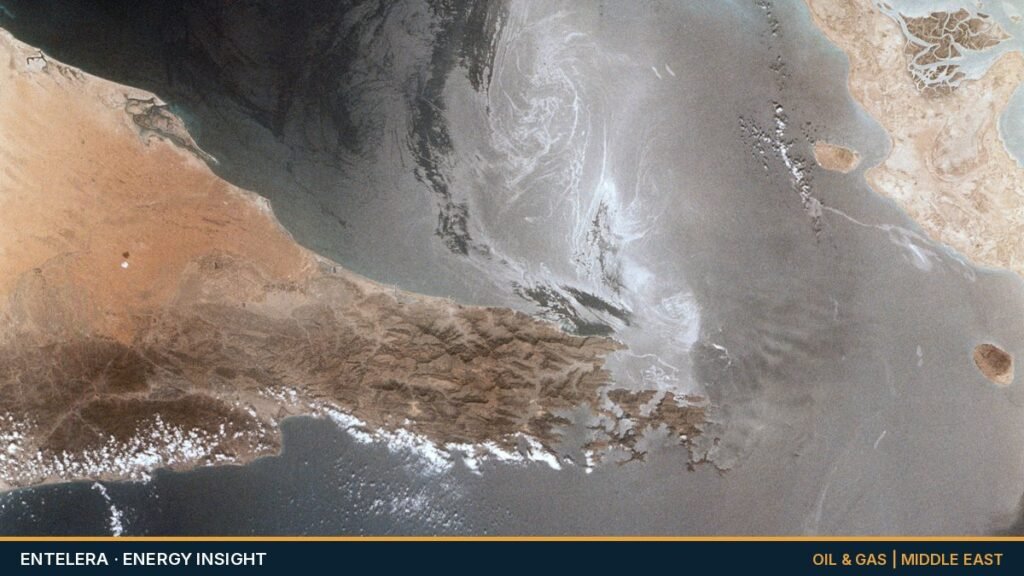
Fujairah matters because it sits outside the Hormuz chokepoint. As a result, tankers can load crude there without entering the Gulf. The US-Iran war has effectively shut the Strait of Hormuz. So every barrel that avoids it is worth more to buyers.
Building on two existing routes
The UAE already runs one bypass line. The Habshan-Fujairah pipeline has operated since 2012 and stretches 252 miles from Abu Dhabi’s Habshan fields to Fujairah. It can carry 1.5 mmbbl/d, expandable to 1.8 mmbbl/d, according to OilPrice.com. By contrast, Bloomberg puts its capacity at about 2 mmbbl/d.
In addition, a second line, the West-East Pipeline, is under construction. ADNOC expects it to start in 2027 and to double export capacity through Fujairah. In May 2026, chief executive Sultan Al Jaber said construction was 50% complete. Furthermore, ADNOC has told some Asian refiners they could collect crude from the second line in early 2027, Bloomberg reported.
The UAE’s plans also go beyond crude. For example, the country intends to expand at least three ports on its east coast. It will also invest in rail, roads and pipelines, Foreign Trade Minister Thani Al Zeyoudi said earlier in 2026.
For more on ADNOC’s growth plans, read our report on its Ruwais Diyab unconventional gas decision.
Why a UAE oil pipeline matters for oil flows
Hormuz risk is already reshaping Gulf trade. Gulf exports of crude, condensate and products fell to 17.1 mmbbl/d in October 2026, Vortexa said. That compares with 18.9 mmbbl/d in September 2026. Notably, the UAE recorded the largest decline of any exporter. Crude and condensate flows averaged 14.0 mmbbl/d, or about 86% of pre-war levels.
Meanwhile, other producers are looking at similar routes. Kuwait relies entirely on Hormuz for its crude exports. It has held talks with the UAE and Saudi Arabia about alternative pipelines, Kuwait Petroleum Corporation chief executive Sheikh Nawaf Al-Sabah told Bloomberg.
For traders, more bypass capacity would ease the physical squeeze on Gulf grades such as Murban. It would also cut the freight and insurance premium on cargoes that now run the Hormuz gauntlet. Therefore, a third UAE oil pipeline would weaken Iran’s leverage over Gulf flows over the long term.
What to watch
First, watch for any confirmation from ADNOC or the UAE government. Second, the start-up timing of the West-East Pipeline in 2027 will show how fast Fujairah loadings can grow. Finally, any US-Iran deal that reopens Hormuz would change the economics of another UAE oil pipeline.
For a deeper analysis, read: Hormuz Bypass: Can ADNOC’s Fujairah Pipelines Make UAE Crude Hormuz-Proof?
Sources
- Anadolu Agency: UAE mulls 3rd oil pipeline to bypass Strait of Hormuz: Report
- OilPrice.com: UAE Weighs Plans for Third Strait of Hormuz Bypass Pipeline
- Bloomberg: UAE Mulls Third Crude Oil Pipeline to Avoid Strait of Hormuz
- Reuters (via Investing.com): Gulf oil flows dip in October from post-Iran war high, data shows