The OPEC+ output targets for December 2026 will stay unchanged, the producer group said after a virtual meeting on 1 November 2026. Seven core members, Saudi Arabia, Russia, Iraq, Kuwait, Kazakhstan, Algeria and Oman, decided to keep their September 2026 required production for another month.
Their joint target is about 31 mmbbl/d, the same as in September, October and November 2026. However, most members still pump below their quotas because the Iran war has disrupted Gulf exports.
OPEC+ output targets by country
Saudi Arabia keeps the largest allocation at 10.478 mmbbl/d, followed by Russia at 9.949 mmbbl/d and Iraq at 4.431 mmbbl/d. In addition, Kuwait’s target is 2.676 mmbbl/d and Kazakhstan’s is 1.628 mmbbl/d. Algeria and Oman stay at 1.007 mmbbl/d and 0.841 mmbbl/d.
The seven “reiterated their collective commitment to achieve full conformity with the Declaration of Cooperation”, the OPEC statement said. Notably, it announced no new adjustments and gave no timetable for higher output. The group will meet again on 29 November 2026.
Quotas on paper, barrels below
In practice, the decision changes little for physical supply. The group finished unwinding 1.65 mmbbl/d of voluntary cuts from 2023 in September 2026. Meanwhile, a further ~2 mmbbl/d of cuts agreed in 2022 stays in place until the end of 2026.
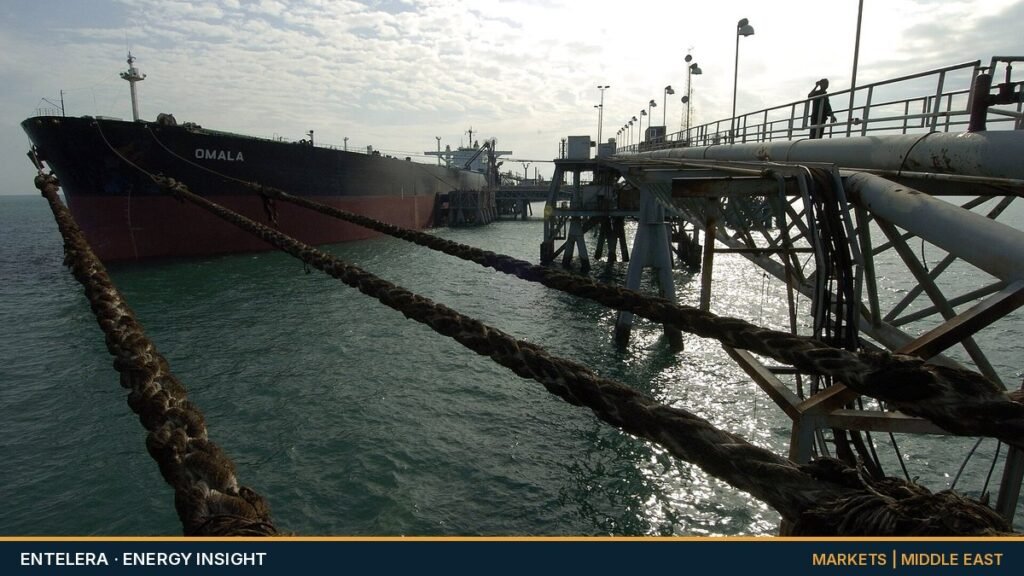
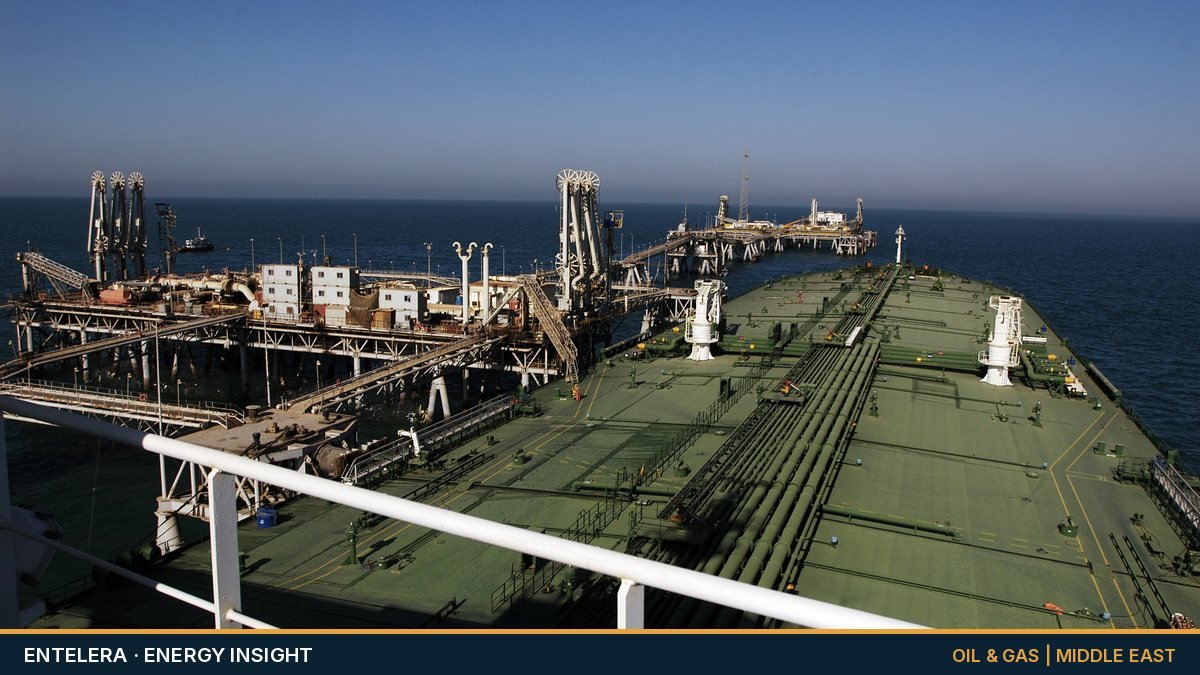
Yet actual output lags far behind. According to OPEC data cited by CNBC, the seven pumped 25 mmbbl/d in August 2026. That was up 630,000 b/d on July 2026, but still roughly 5 mmbbl/d below pre-war levels in February 2026. Moreover, Gulf exports have run at only 60% to 80% of normal levels in recent months, as the Strait of Hormuz remains largely blocked.
For the expectations before the meeting, read our preview, OPEC+ set to keep December oil output targets unchanged.
Why the OPEC+ output targets matter now
The hold came just before a sharp sell-off. Brent fell 7.6% on 2 November 2026 as hopes for US-Iran talks grew, and closed at $103.60 a day later. Consequently, attention is shifting to how fast Gulf barrels could return if Hormuz reopens.
That is where the quotas matter. If shipping resumes, members such as Saudi Arabia, Iraq and Kuwait could raise output towards their targets quickly. As a result, the gap between paper quotas and real production is a key supply buffer for 2027.
The group is also reviewing members’ production capacity to set quotas for 2027. Still, the war has delayed that review, since it has made estimates of future capacity uncertain.
What to watch next
First, watch the 29 November 2026 meeting for any signal on 2027 quotas and the 2022 cuts. Second, monthly OPEC production data will show whether Gulf output is recovering. Finally, any US-Iran deal that reopens Hormuz would turn the debate from shortage to how quickly OPEC+ adds barrels.
For a deeper analysis, read: Oil Supply Overhang: Can Restocking Absorb ~5 mmbbl/d of Shut-In OPEC+ Barrels?
Sources
- OPEC: Press release, 1 November 2026
- Arab News: OPEC+ holds December oil output targets unchanged
- The National: Opec+ holds December oil output targets steady as Iran war disrupts supply
- CNBC: OPEC+ agrees to keep November oil output targets steady
- Enerdata: OPEC+ maintains crude oil production targets for December 2026
- Reuters (via Yahoo Finance): Oil prices ease to settle near 4-week low on hopes peace talks will end wars
- CNBC: Crude oil prices sell off more than 7% on Iran peace talk hopes ahead of U.S. midterms