A proposed Pakistan gas pipeline network worth about $30bn has moved a step forward on paper. Saudi Arabia’s Delta Energy Saudi signed a memorandum of understanding (MoU) with Pakistan’s Inter State Gas Systems (ISGS) on 17 November 2026. The deal sets up a study of gas infrastructure across the country, the companies said in a joint statement.
However, both sides stress the limits. The MoU is a framework for evaluating projects only. It is not a final investment decision, and it does not commit either side to finance or build anything. Also, the $30bn figure describes the proposed scale, not money the partners have raised.
What the Pakistan gas pipeline plan covers
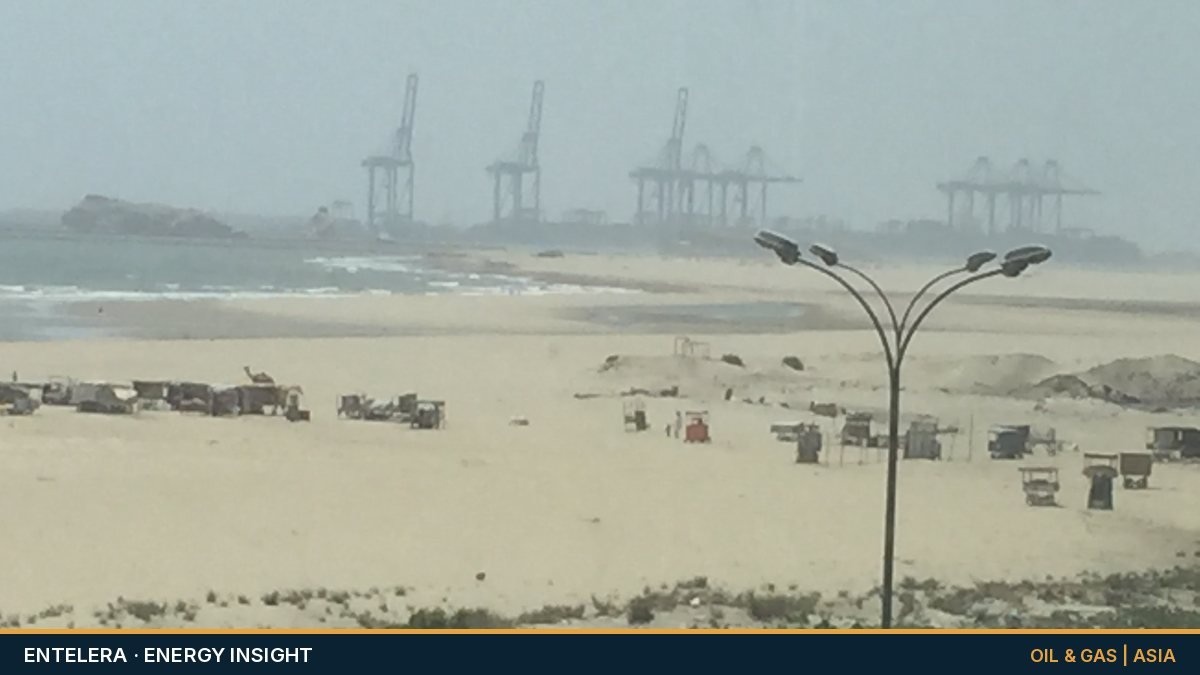
The programme would assess a natural gas pipeline entering Pakistan at its western border and running to Gwadar, a port on the Arabian Sea. It could later extend towards the eastern border. In addition, the study covers LNG facilities, gas processing and storage, and export terminals.
One route stands out. It would run from Chaman, near the Afghan border, across Pakistan to Fazilka, close to the Indian border. Delta Energy called this route a “core strategic commitment”. Even so, it would need formal agreements with authorities in both Pakistan and India.
Afghan gas, not Turkmen gas
Delta Energy named Afghanistan’s Kashk gas concession and other Afghan resources as possible supply. Notably, it said the programme stands apart from the long-delayed Turkmenistan-Afghanistan-Pakistan-India (TAPI) pipeline. It also said the plan does not depend on Turkmen gas.
Pakistan’s daily paper The Nation put the potential investment at $25bn-30bn. Either way, it would rank among the largest energy plans anyone has put forward for the country.
Why the Pakistan gas pipeline plan matters
Pakistan has long struggled with gas shortages and expensive imports. Its LNG supply also took a hit this year when the Gulf crisis cut cargoes, as our story on the Qatar LNG supply gap showed. So a new overland source and an export hub at Gwadar would give it more options.
Still, history urges caution. Reuters noted that other pipeline plans for Pakistan have stalled for years. Security in Balochistan and Afghanistan, plus politics with India, add further risk.
What to watch next
First, the two companies will assess the projects and their feasibility. Any further decisions depend on that work. Second, watch for financing partners and talks with Afghan and Indian authorities. Finally, the partners have not set a construction schedule, so a firm timeline would be the clearest sign of progress.
Sources
- Reuters via Dawn: Saudi firm eyes $30bn energy deal
- The Thursday Times: Saudi firm signs MoU with ISGS to explore $30bn Pakistan gas network
- The Nation: Pakistan, Saudi Arabia ink $25-30b MoU for gas pipeline, LNG terminal
- Entelera: Qatar LNG Supply Gap: About 30 Cargoes Missing Before Year-End, and Who Pays