North Carolina’s utilities commission has approved a new carbon and resource plan for Duke Energy. The plan keeps some coal plants open for longer and adds a large block of new gas capacity. The Duke Energy carbon plan order came on 16 November 2026. It also authorises more solar, batteries and early work on new nuclear plants.
What the Duke Energy carbon plan approves
The North Carolina Utilities Commission said the order was unanimous and bipartisan. However, commissioner Donald R. van der Vaart did not take part. The decision followed a 12-day expert-witness hearing and five public hearings. More than 600 people sent in consumer statements.
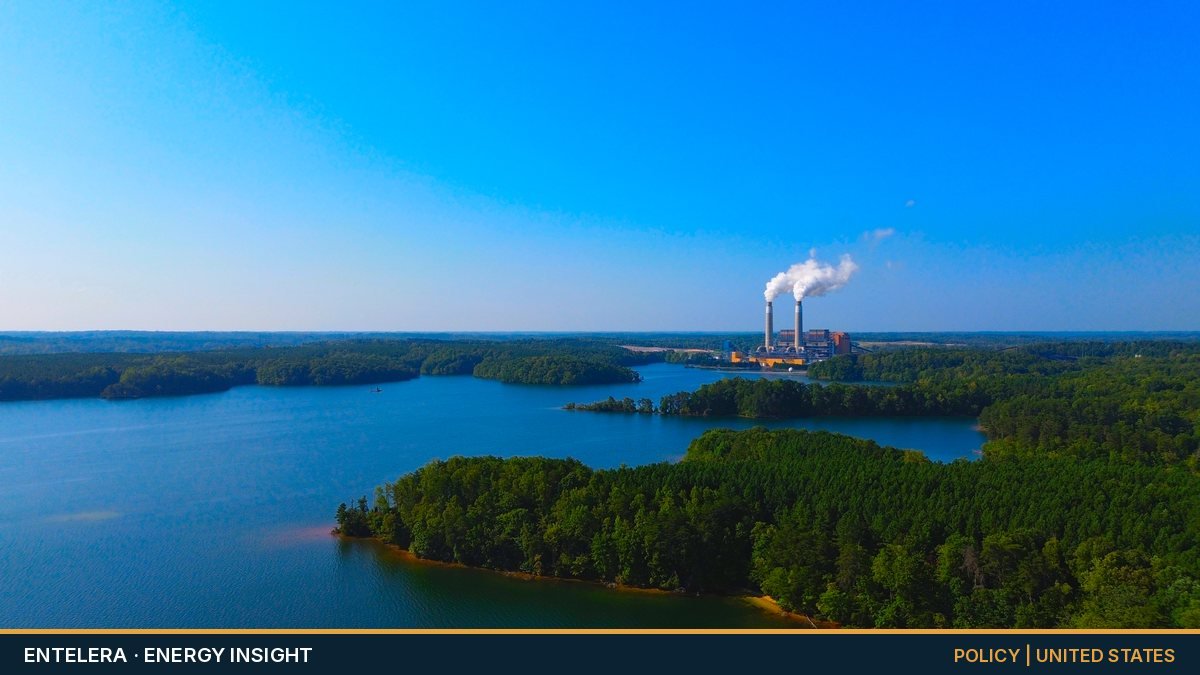
On coal, the commission is extending certain unit retirement dates beyond those in its 2024 plan. At the same time, it requires Duke to file an updated coal-retirement analysis with its next plan. That filing is due in autumn 2027. So the delay is not a permanent reprieve, but it does push some closures past the earlier timetable.
The new gas build is large. The order allows about 2,730 MW of combined-cycle plant between 2030 and 2033. It also allows about 1,111 MW of extra combustion turbines in the same window. In total, that is about 3,841 MW, or about 3.8 GW, of new gas generation.
Solar, storage and nuclear options
The plan is not only fossil plant. Duke may procure up to 2,300 MW of new solar for service between 2032 and 2034. The order also requires customer-protection rules and an independent evaluator. In addition, it may develop and procure up to 2,700 MW of extra battery storage. That would lift planned system batteries to as much as 5,400 MW by 2034.
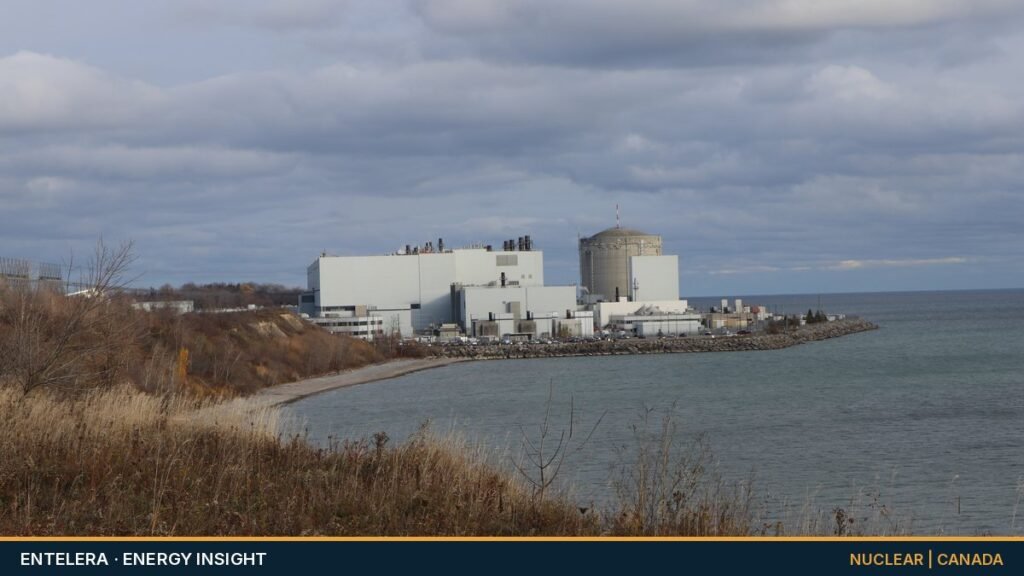
Nuclear stays on the table, but not as a construction decision yet. The commission is extending, through 2028, authorisation for up to $440mn of advanced nuclear development costs. That money preserves a choice between 600 MW of small modular reactors and about 1,117 MW of large light-water reactors. Moreover, Duke may prepare Nuclear Regulatory Commission filings for two AP1000 units at the W.S. Lee site. It may do the same for two units at Shearon Harris. A new docket and a 2027 technical conference will come before any decision to build.
The order also sets aside up to $55.6mn for early work on Bad Creek II. That keeps open an option for 1,760 MW of pumped-storage hydropower by 2040. Meanwhile, Duke may keep planning for a 22% reserve margin by 2031.
Why the Duke Energy carbon plan matters
The commission said the plan aims to meet rising electricity demand while balancing reliability, energy security and cost. In particular, data-centre load has pushed utilities across the United States to add firm capacity quickly. Gas and delayed coal retirements are the near-term answer in this order. Solar and batteries come in later this decade, and nuclear remains a longer-term option.
Other states will also watch the choice. Other jurisdictions are also weighing coal’s future. Some may retire it on the old schedule, while others may keep it as cover for load growth. We recently looked at a different coal story in India’s October 2026 power mix.
What to watch
First, watch Duke’s updated coal-retirement analysis in the 2027 plan. Then look at how much of the 3.8 GW gas slate actually clears permitting and construction. Finally, the 2027 nuclear conference will show whether the AP1000 or SMR option is still realistic. Gas and storage may still do more of the heavy lifting.
Sources
- North Carolina Utilities Commission: North Carolina Utilities Commission Issues Order on Carbon Plan and Integrated Resource Plan
- Triangle Local: Raleigh: NC regulators approve Duke Energy plan extending coal, adding gas
- Business North Carolina: Regulators OK Duke Energy rate, construction plans
- Entelera: India coal power generation jumps 25.7% in October 2026 as hydro output slumps