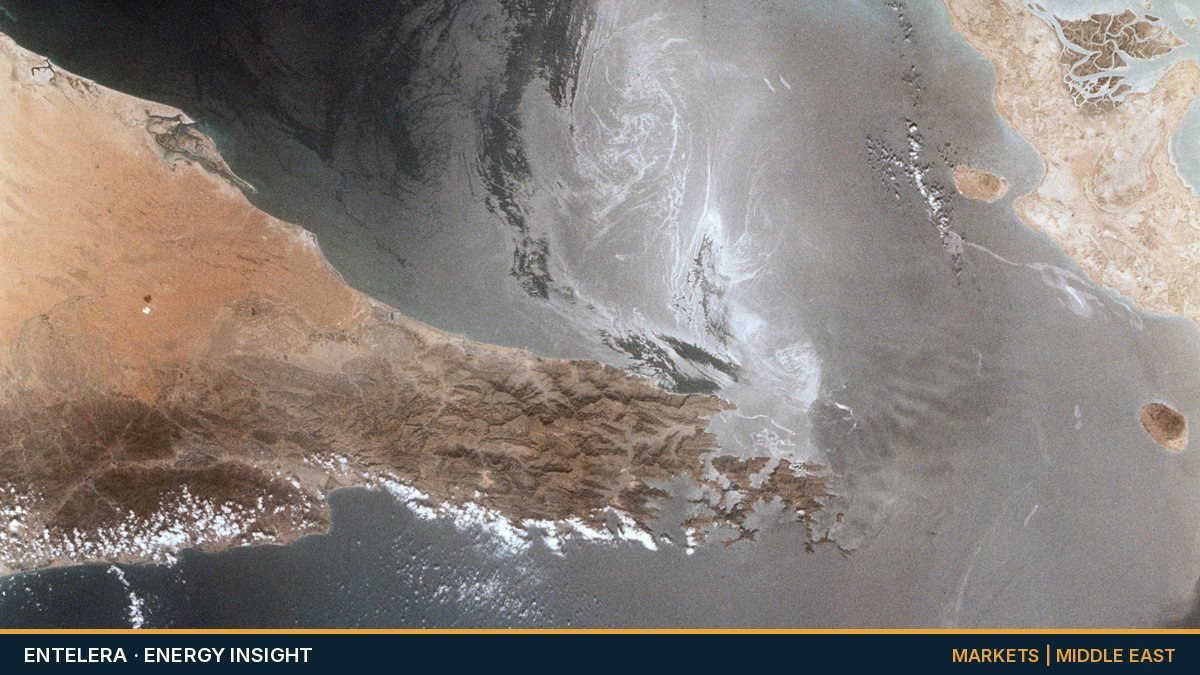
The IEA’s World Energy Outlook 2026, published on 19 November 2026, calls the Hormuz crisis the largest energy supply shock the world has faced. So far, the Gulf has lost 2.8bn barrels of oil and 60 bcm of gas supply, the agency said. Even so, its main scenario still sees global oil demand levelling off near 103 mmbbl/d around 2030.
“I don’t see any credible pathway for the energy world to return to the way it was before,” said IEA Executive Director Fatih Birol. In addition, he warned that the longer the crisis lasts, the deeper its effects will be.
Oil demand in the World Energy Outlook 2026
Under the Stated Policies Scenario, demand rebounds from a sharp 2026 slump, OPIS reported. Then it plateaus at about 103 mmbbl/d around 2030. After that, it eases to 101.7 mmbbl/d in 2035 and 95.6 mmbbl/d by 2050, against 102.2 mmbbl/d in 2025.
By contrast, last year’s outlook saw the peak closer to 102 mmbbl/d. The IEA put the upgrade down to slower electric vehicle sales in North America and Europe. In particular, the end of US EV tax credits and looser EU truck rules lifted road-fuel use.
Meanwhile, the Current Policies Scenario shows no peak at all. There, demand climbs to 106.2 mmbbl/d in 2035 and 114 mmbbl/d by 2050. Both figures sit 1 mmbbl/d above last year’s numbers.
How big the Hormuz shock has been
At the height of the war, global oil supply fell by 16.1 mmbbl/d. As a result, IEA members released a record 400mn barrels from emergency stocks. Diesel suffered most, with prices hitting records above $200/bbl. Overall, the IEA estimates that oil demand will shrink by 2.7 mmbbl/d this year.
The report also tests a Low Hormuz Case. In it, $40bn of bypass pipelines and $200bn of extra upstream spending outside the Gulf cut flows through the strait. Flows would fall from 20 mmbbl/d before the crisis to 8.5 mmbbl/d in 2030 and under 2 mmbbl/d by 2035. Still, the Middle East would export nearly 15 mmbbl/d by other routes.
However, the new pipelines would add about $2 to each exported barrel, The National reported. About 7 mmbbl/d of such capacity is under construction or under study.
LNG: Qatar has no way around the strait
For gas, the picture looks harder. About 110 bcm of gas passed through Hormuz last year, mostly from Qatar. Moreover, attacks on Ras Laffan knocked out more than 17 bcm a year of capacity, which will take about three years to restore. Qatar and the UAE have no feasible bypass for LNG.
Even so, the IEA still sees 87 bcm a year of new Qatari capacity online by the early 2030s. If the conflict ends clearly, it expects a delayed wave of LNG to create a buyer’s market. That would put downward pressure on oil and gas prices.
Winners in the World Energy Outlook 2026: solar and nuclear
Above all, the World Energy Outlook 2026 says energy security now guides policy. Renewables, led by solar, and nuclear power gain most from the shift to home-grown energy. In some Asian countries, coal also gains.
For nuclear, nearly 90 GW is under construction, the most in more than 35 years. In the Stated Policies Scenario, capacity rises from 420 GW in 2024 to 592 GW in 2035 and 886 GW in 2050. Electricity’s share of final energy use also climbs from about 23% today towards 30% by 2035.
What the World Energy Outlook 2026 means next
For producers, the supply maths still matters. Existing fields decline by 8% to 9% a year, so the world needs 13 mmbbl/d from new projects by 2035. That rises to 17 mmbbl/d under current policies.
Next, traders will watch the OPEC+ meeting on 29 November 2026 and any end to the conflict. The IEA flagged the same glut risk in its Q4 2026 surplus warning, and Birol has already said markets will not return to pre-war norms in 2027.
Sources
- IEA: World Energy Outlook 2026: executive summary
- OPIS: IEA nudges up peak oil forecast as EV rollbacks, Hormuz crisis reshape outlook
- World Oil: IEA: No credible pathway back to pre-Hormuz energy world, latest outlook finds
- The National: IEA says $40bn spent on pipelines will not end Gulf’s Strait of Hormuz dependence
- The Economic Times: Oil Price Today (November 20): Brent crude rises to $93
- World Nuclear News: Energy crisis reinforces comeback of nuclear power, says IEA