The Ras Tanura attack has put Saudi Arabia’s biggest refinery back in the firing line. On 25 November 2026, Yemen’s Houthis said they had hit Aramco’s 550,000 barrel-a-day plant and started fires. Brent crude then settled 3.5% higher at $94.61 a barrel.
What happened in the Ras Tanura attack
Houthi military spokesman Yahya Saree said the strikes were “accurate and direct” and set the refinery on fire. The group also claimed a second operation against Riyadh’s financial district. Meanwhile, satellite images from NASA and Planet Labs showed thick black smoke over the site, Reuters reported.
However, Saudi Arabia has not confirmed a hit. The Saudi-led coalition said only that its air defences had intercepted and destroyed four drones in Ras Tanura. Aramco and the Saudi government did not respond to requests for comment. Even so, a source with knowledge of the matter told Reuters that an attack on the refinery did take place.
The Houthis later said they had aimed four drones at Ras Tanura and two Red Sea ports. So far, no official figure exists for any lost output.
Why the Ras Tanura attack matters
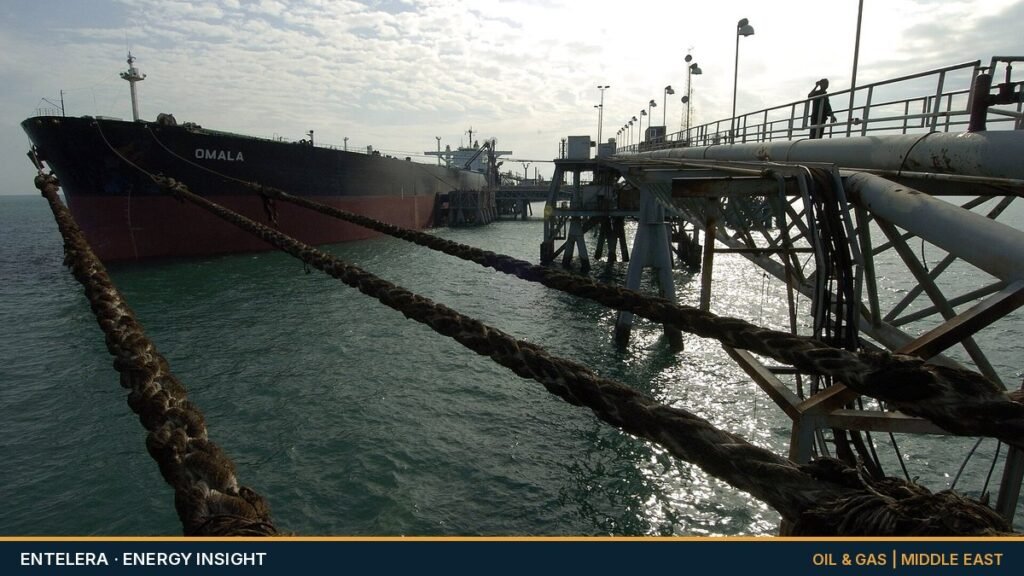
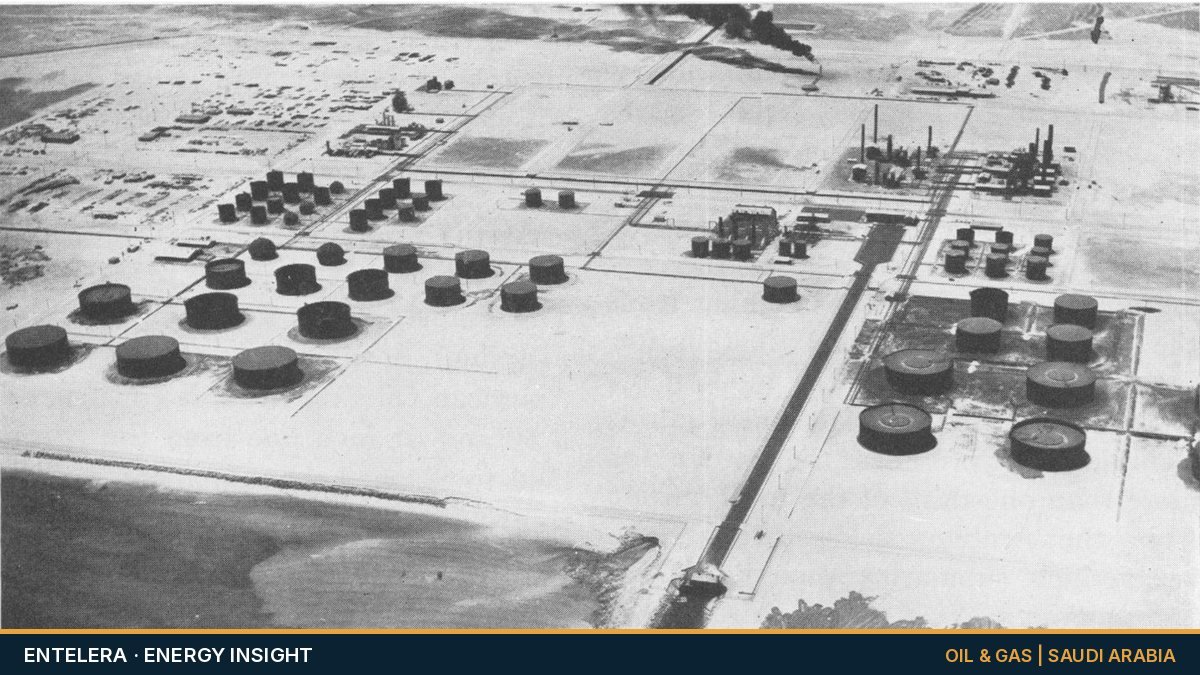
Ras Tanura is not just any plant. It is the kingdom’s oldest refinery and accounts for about 16% of Saudi refining capacity, according to The National. In addition, it sits next to a giant crude export terminal that can load about 6.5 mmbbl/d. Crude from the Gulf coast goes mainly to Asian buyers such as China, Japan, South Korea and India.
The complex has also been a repeat target this year. Aramco shut the refinery after Iranian drones hit it on 2 March 2026, two days after the US-Iran war began. It restarted in mid-March 2026, but terminal loadings only resumed in late June 2026. Then, on 27 October 2026, the Houthis claimed a missile strike. A fire broke out near the terminal.
Earlier, attacks in April 2026 cut Saudi production capacity by about 600,000 b/d. They also reduced East-West pipeline throughput by about 700,000 b/d, the Energy Ministry said at the time. As a result, Riyadh has leaned more on Yanbu, on the Red Sea, for exports. That route now faces its own threats after the Houthi claim against the Rabigh refinery two days earlier.
How oil prices reacted
The Houthi statement triggered the rally, said PVM analyst Tamas Varga, who pointed to a rising geopolitical risk premium. He added that traders were likely covering short positions before the US Thanksgiving holiday. Meanwhile, WTI rose 2% to settle at $83.68 a barrel. Both benchmarks had already gained more than 2% on 24 November 2026.
At the same time, risks in the Strait of Hormuz added to the bid. Projectiles hit three more vessels in the strait, according to the UK Maritime Trade Operations agency. Iranian media also said tankers had hit mines. ANZ estimates that Hormuz throughput is running at only 49% of normal levels.
“The broadening of the Middle East conflict threatens to halt the recovery in oil flows in recent weeks,” said ANZ analyst Daniel Hynes.
Still, bearish data capped the move. US crude stocks rose 1.1mn barrels to 418.9mn barrels in the week to 20 November 2026. It was the third weekly build in a row. Analysts had expected a 1.5mn-barrel rise. Early on 26 November 2026, Brent traded at $94.71, up just 10 cents, while WTI stood at $84.03.
What it means
In our view, the Ras Tanura attack matters more for crude exports than for refined products. A 550,000 b/d refinery outage would tighten Asian diesel and naphtha. However, any damage to the export terminal would hit far larger crude volumes. For now, the absence of any Saudi supply warning suggests limited physical loss.
Therefore, the 3.5% jump looks like a risk premium rebuilt after weeks of surplus talk, not a supply shock. That premium tends to fade fast unless outages follow. Yet two Saudi refinery claims in three days put both coasts at risk. So the Yanbu bypass now offers less comfort. For traders, that argues for firmer prompt Brent spreads and wider Dubai-linked premiums for Asian buyers. Moreover, it supports holding some upside protection into the OPEC+ meeting.
What happens next
Next, watch for an Aramco or Energy Ministry statement on damage from the Ras Tanura attack. Satellite images and tanker tracking will show whether the terminal is still working normally. Then, OPEC+ ministers meet on 29 November 2026 to set 2027 output policy. We covered that debate in our analysis of Iraq’s capacity fight. Finally, any further strike on Gulf export sites would likely push Brent back towards its October 2026 highs.
For a deeper analysis, read: Saudi Oil Exports: What the Ras Tanura Attack Means for Spreads, Cracks and Freight
Sources
- Al-Monitor (Reuters): Yemen’s Houthis say they attacked Saudi Arabia’s Ras Tanura refinery
- The National: Saudi defences destroy drones in Ras Tanura as footage shows smoke from refinery
- CNBC (Reuters): Oil prices rise after Houthis say they attacked Saudi refinery
- Yahoo Finance (Reuters): Oil rises on supply concerns as Iran claims mine strikes on ships
- Investing.com: Oil little changed as Hormuz attacks threaten rebound in Gulf crude shipments
- Saba News Agency: Yemeni armed forces statement on the Ras Tanura refinery operation, 25 November 2026