The Brent oil price snapped higher on 5 November 2026. Fresh tanker attacks near the Strait of Hormuz checked the midterm-driven peace trade. Brent crude futures settled $3.67, or 3.88%, higher at $98.29 a barrel, Reuters reported. Meanwhile, US West Texas Intermediate (WTI) rose $2.40, or 2.72%, to $90.52.
The rebound reversed Wednesday’s collapse. On 4 November 2026, both benchmarks tumbled more than 8%. They posted their lowest settlements since 31 August 2026 after Democrats took Congress. Still, the weekly picture remains weak. Business Recorder said Brent is on track to drop by about 12% this week. The December contract expired on 30 October 2026. In addition, WTI looks set for a fall of about 12.1%.
Why the Brent oil price bounced
Traders pulled back from pricing a rapid return to normal oil flows. Gelber and Associates struck a cautious note. “Today’s rebound reflects caution about pricing in a rapid normalisation of oil flows before diplomatic progress translates into dependable shipping and deliveries,” the firm wrote. Andy Lipow of Lipow Oil Associates also flagged mine and drone reports. Those reports continue to worry the oil market.
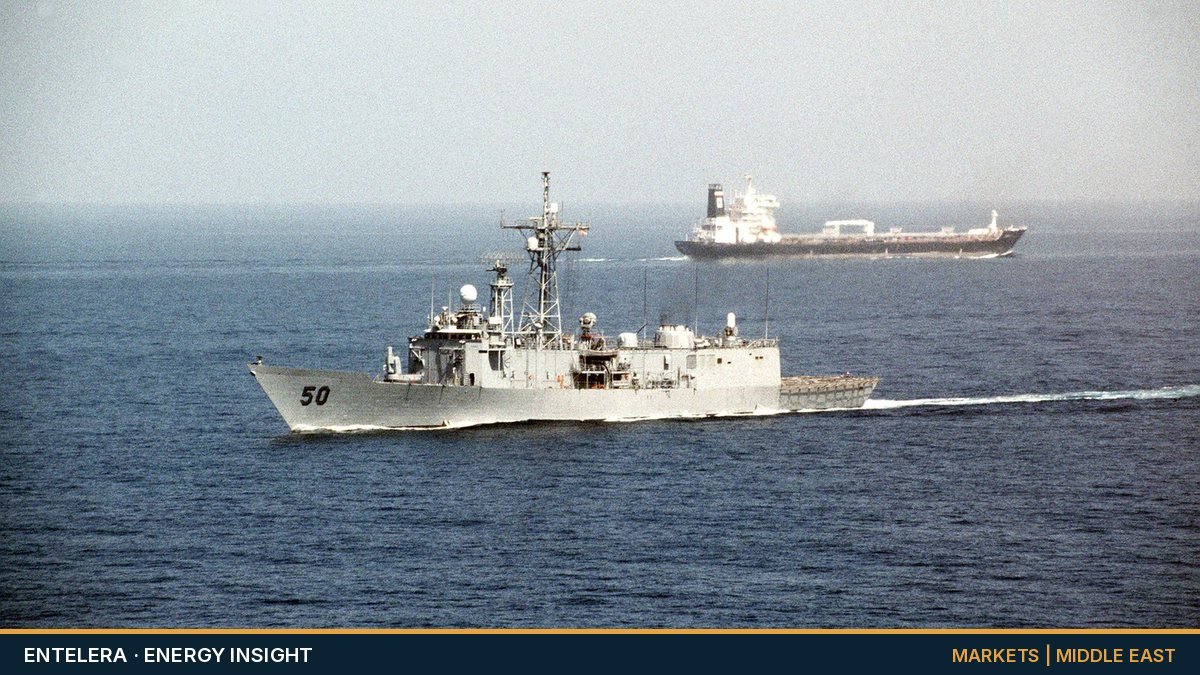
Shipping risk remains elevated. UK Maritime Trade Operations (UKMTO) logged at least five vessel incidents since Sunday. That pace matches October 2026, when attackers hit 35 vessels. That was the most of any month of the war. Iran said attackers hit three more tankers. Moreover, Iran’s Islamic Revolutionary Guard Corps said two oil tankers and a tugboat caught fire. The vessels had tried unauthorised routes through Hormuz.
Daniel Hynes of ANZ said Wednesday’s sell-off looked overdone. He said “the reality of the situation hit home” in Thursday’s trade. He added that Iran retains control of Hormuz. Overall flows through the strait sit under 60% of capacity, he said.
Diplomacy and the risk premium
The political overlay has not gone away. Democrats won both houses of Congress on 3 November 2026. Vice President JD Vance then blamed the war for the Republican defeat. Yet Citi warned that the White House could still escalate. With the midterms over, it could lean on executive powers.
Eurasia Group cut the chance of renewed US strikes on Iran to 60% from 65%. It also cut the probability of a deal to 10% from 20%. It raised the odds of a continued standoff to 30% from 15%. Any escalation, it said, could still push Brent into a $110 to $125 range.
Iran’s foreign minister, Abbas Araqchi, discussed regional stability with Saudi and Qatari counterparts. However, Tehran has held firm on demands. Most analysts see Washington as unlikely to accept those demands. Physical Gulf crude had already traded at a premium to paper Brent. We examined that gap in our analysis of the Murban premium over a falling Brent.
Spreads and what to watch for the Brent oil price
On our calculation, the Brent-WTI spread widened to $7.77 a barrel at the 5 November 2026 close. By comparison, it stood at about $6.50 a day earlier. That suggests seaborne supply risk is again lifting Brent relative to US crude.
Early on 6 November 2026, both contracts gained for a second day. Brent January futures were up $1.57, or 1.6%, at $99.86. WTI rose $1.10, or 1.22%, to $91.62. Next, traders will watch UKMTO incident reports. They will also watch any formal US–Iran talks. Equally, they will ask whether buyers arrest the weekly slide towards a 12% loss.
Sources
- Reuters (via Dawn): Oil rises over $3
- Reuters (via Euronext): Brent crude jumps, settles up over $3 after tanker attacks
- CNBC: Oil jumps as investors assess Iran war future, tanker attacks
- Reuters (via Business Recorder): Oil set for sharp weekly drop but Middle East supply concerns provide floor
- OK Energy Today: Fresh tanker attacks prompt rebound in oil prices