Australia’s Parliament passed the Australia gas reservation scheme on 27 November 2026. The vote ends years of debate over how much of the country’s gas should stay at home. Under the law, LNG exporters must supply up to 20% of their annual export volumes to the domestic market. The rule applies from 1 January 2028. Western Australia is exempt. So the main burden falls on the three Queensland LNG plants run by Shell, Origin Energy and Santos.
How the Australia gas reservation scheme works
The scheme rests on export licences. From 1 January 2027, every gas exporter will need one, and a key condition is a “domestic supply obligation”. Then, from 1 January 2028, licence holders must supply local buyers with up to 20% of their yearly exports. The government chose that start date to line up with industry contracting cycles.
The Australian Energy Regulator will run the scheme. However, licence decisions rest with the Minister for Resources. She must consult the industry minister and needs the energy minister’s agreement. Parliament passed three bills: the Domestic Gas Reservation Bill 2026, a levy bill and a consequential amendments bill.
The government’s design deliberately oversupplies the east coast market to push prices down, ABC News reported. It targets an oversupply of 10%. During the debate, the opposition Coalition asked for more flexibility on that target. It also wanted exporters to be able to defer 20% of their obligation, double the 10% in the bill.
Why Canberra acted
The east coast market has lived with tight supply and high prices for a decade. Production from mature fields off Victoria, long the region’s main source, is falling. Meanwhile, some Queensland LNG exporters have bought local gas to meet their export contracts, Reuters noted.
The price gap with Western Australia tells the story. Reserve Bank analysis in 2021 found that wholesale prices outside WA roughly doubled after Queensland began exporting LNG in 2015. Today, east coast buyers pay roughly 60-75% more than the WA average on long-term contracts. That is based on ACCC figures cited by ABC News. Moreover, plants such as Qenos and Incitec Pivot’s Gibson Island fertiliser site have closed. Gas costs were one cause.
Resources Minister Madeleine King said the law would end “over a decade of crisis-driven ad hoc market interventions”. Prime Minister Anthony Albanese said the law would put “downward pressure” on prices, although he gave no estimate of savings.
Who the Australia gas reservation scheme hits, and who it spares
Western Australia has run its own 15% reservation policy for about two decades. The state’s pipelines do not connect to the east coast market, and it ships about two-thirds of the country’s LNG. As a result, the big WA projects, including Woodside’s, sit outside the federal scheme. The government agreed the exemption last week. That secured the Coalition’s promise not to block the bill.
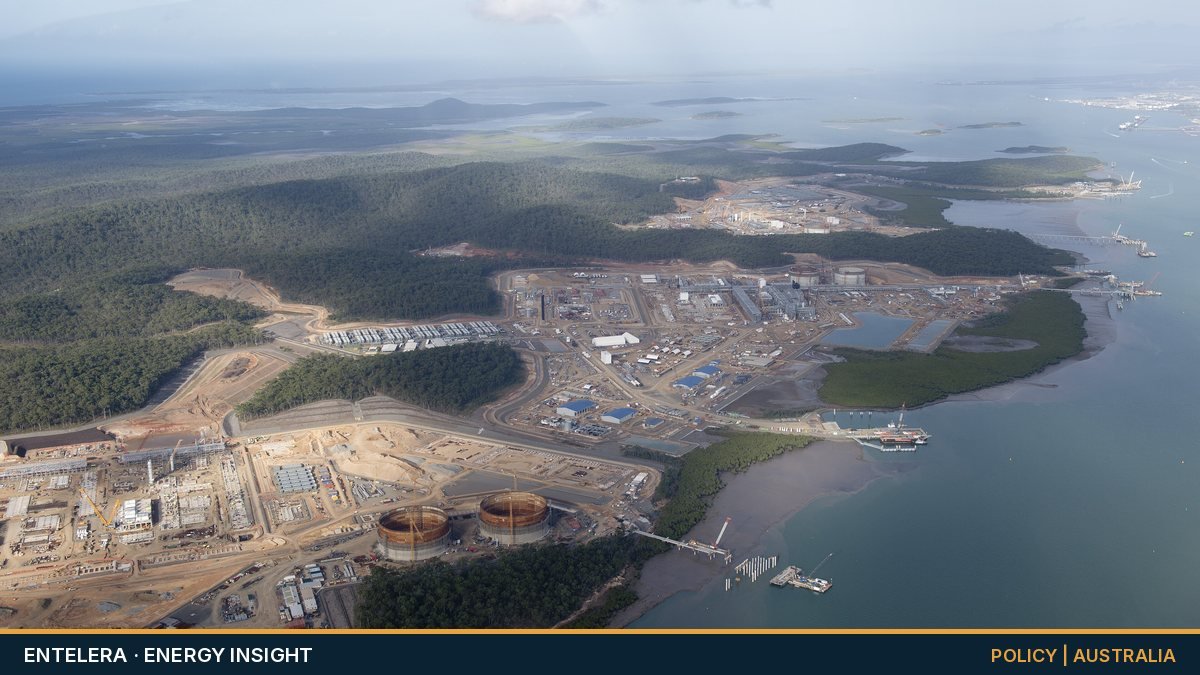
By contrast, the three east coast projects on Curtis Island near Gladstone carry the full obligation. Shell, Origin Energy and Santos operate them, and they sell mainly to China, Japan, South Korea and Malaysia. Santos was already reshaping its Queensland assets this month. Our report on Beach Energy’s talks to buy Santos’s Taroom Trough interests set out that deal.
However, business is cautious. Bran Black, who heads the Business Council of Australia, said: “We will need to monitor the policy closely to ensure it delivers against these tests.” Similarly, shadow resources minister Susan McDonald warned the rules could discourage investment in new gas projects. “We want more gas production and policies that encourage more investment,” she said.
What the Australia gas reservation scheme means
In our view, the law matters for north Asian buyers, but less than its headline suggests. Up to 20% sounds large. However, the figure is a ceiling, not a fixed cut. The design aims for a 10% surplus at home. We expect east coast exporters to meet much of it with gas they already sell locally. So export volumes need not fall sharply.
Still, the law changes the risk on uncommitted gas. Spare Queensland cargoes, which traders have used to balance Asian portfolios, will now face a domestic call first. That supports Asian spot LNG prices at the margin from 2028. Moreover, it lowers the value of new east coast supply. Part of any new output must now go to a market designed to stay oversupplied.
For WA producers, the exemption keeps their export model intact. That should reassure buyers who sign term deals such as Woodside’s LNG supply contract with Trafigura.
What happens next
The export licensing framework starts on 1 January 2027, so exporters must apply during 2027. Next, ministers and the regulator need to publish the detailed rules, including how they will measure oversupply. Then, before 2028, Shell, Origin and Santos will need to adjust their contract books to the Australia gas reservation scheme.
For a deeper analysis, read: Australian LNG Exports: What the Gas Reservation Law Means for JKM and Spot Cargoes
Sources
- Australian Government (Ministers King: Joint media release: Australian gas reserved for Australians
- Department of Industry: Domestic Gas Reservation Scheme
- ABC News: Australia’s domestic gas reservation scheme passes parliament with Coalition backing
- The Straits Times (Reuters): Australia clears law requiring LNG exporters to keep 20% for domestic use