The S-Oil Shaheen project is complete. Saudi Aramco and its South Korean unit S-Oil inaugurated the $7bn petrochemical complex in Ulsan on 25 November 2026. Once running in 2027, it will add about 3.2mn tonnes a year of petrochemical capacity. That includes 1.8mn tonnes of ethylene from what Aramco calls the world’s largest single steam cracker.
What the S-Oil Shaheen project adds
The complex covers 880,000 square metres in the Onsan National Industrial Complex. According to CHOSUNBIZ, the final bill came to KRW9.26tn ($6.9bn). Besides the cracker, it includes a propylene fractionator, crude-to-chemicals units and a polymer plant.
The polymer plant will turn ethylene into 880,000 tonnes a year of linear low-density polyethylene and 440,000 tonnes of high-density polyethylene. That leaves about 580,000 tonnes of ethylene for sale. In addition, the complex will make 770,000 tonnes of propylene, 200,000 tonnes of butadiene and 280,000 tonnes of benzene each year.
As a result, petrochemicals will rise from 12% to 25% of S-Oil’s output. Commercial operations begin in 2027 after commissioning.
First commercial use of Aramco’s crude-to-chemicals technology
The technology is the real novelty. Shaheen is the first major commercial deployment of Aramco’s thermal crude to chemicals (TC2C) process, which it developed with Lummus Technology. Conventional crackers run on naphtha bought from refineries or the market. By contrast, TC2C turns crude oil and low-value residues directly into feedstocks such as naphtha and LPG.
So the plant links refining and chemicals in one chain. S-Oil plans to source 83% of the new plant’s feedstock from its own facilities, Yonhap reported. In other words, the refinery underwrites the cost base of the chemicals business.
“Economic headwinds and rising geopolitical risks do not alter our long-term view on strategic investments,” Aramco chief executive Amin Nasser said at the ceremony in Seoul. He added that Shaheen would serve demand from Asian industries such as electric vehicles and semiconductors.
A 35-year Saudi-Korean partnership
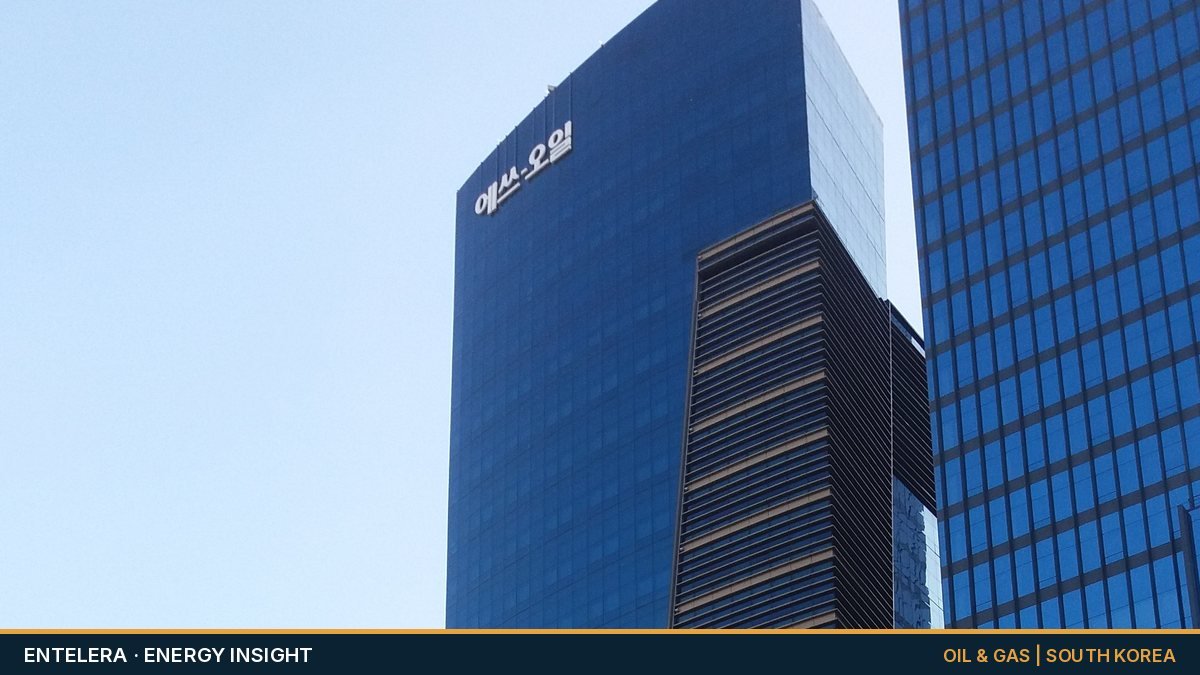
Aramco holds more than 63% of S-Oil through Aramco Downstream Asia. Its first investment came in 1991. At that time S-Oil, set up in 1976, ran only a refinery. Since then, S-Oil has added upgrading units, lube base oils and a large paraxylene plant. Over the past decade, it has invested more than KRW14tn (about $10.4bn), Shaheen included.
Saudi assistant energy minister for oil and gas Mohammed bin Abdulrahman Al Ibrahim also attended. He pledged stable, continuous crude supply to Korea. Meanwhile, Korea’s trade and industry minister Kim Jung-kwan said Shaheen could open “new paths” for an industry in transition.
The overcapacity problem
However, the timing looks awkward. Korea’s chemical makers now cut capacity under a government-led restructuring. In August 2025, the industry agreed to remove 2.7mn-3.7mn tonnes of naphtha cracker capacity, or 18%-25% of the 14.7mn-tonne total. So far, companies have proposed 2.49mn tonnes of cuts at Daesan and Yeosu.
Shaheen’s 1.8mn tonnes of ethylene would offset roughly 72% of those cuts, by our calculation. Talks in Ulsan, where S-Oil, Korea Petrochemical Ind and SK Geo Centric run crackers, have made the least progress. The government now says Shaheen itself need not shrink. Still, it expects S-Oil to take part in the restructuring and wants talks wrapped up by the end of 2026.
What the S-Oil Shaheen project means
In our view, the S-Oil Shaheen project marks Aramco’s clearest bet that crude-to-chemicals beats crude-to-fuels in the long term. It locks in an outlet for Saudi barrels in Korea, a major Asian buyer. It also comes weeks after Aramco’s own Q3 2026 results.
For chemicals markets, the picture is less rosy. Asia already has more polyethylene than it needs, and Chinese capacity keeps growing. Therefore, Shaheen’s polyethylene will most likely push Korean exports harder into Southeast Asia and India, which could weigh on regional margins in 2027. Its edge lies in cost. Feeding crude and residues directly avoids buying naphtha on the open market.
For crude traders, the start-up adds steady demand for Arabian grades at Ulsan. Equally, it reduces Korea’s appetite for imported naphtha over time.
What happens next
Commissioning runs through 2027 before full commercial operation. Before then, S-Oil must present its part of the Ulsan restructuring plan by the end of 2026. Finally, watch for how Aramco markets Shaheen’s surplus ethylene and polymers, and whether other refiners license TC2C. Readers can find Aramco’s latest numbers in our Aramco Q3 2026 results financial summary.
For a deeper analysis, read: Shaheen Cracker: What S-Oil’s Start-up Means for Arab Light and Asian Naphtha
Sources
- Aramco: Aramco and S-OIL inaugurate Shaheen Project, marking a new era for integrated chemicals production and value growth
- Yonhap News Agency: S-Oil completes 9 tln-won project to build petrochemical facilities in Ulsan
- CHOSUNBIZ: S-Oil faces restructuring as Shaheen project adds petrochemical capacity
- CNA (Reuters): Aramco, S-Oil inaugurate $7 billion petrochemicals complex in South Korea
- Yonhap News Agency (Korean): S-Oil completes KRW9tn Shaheen project, moving beyond refining into petrochemicals
- The Korea Herald: S-Oil completes W9tr Shaheen petrochemical project