The ExxonMobil Rovuma LNG project has cleared a key hurdle. Mozambique’s Council of Ministers approved an amended plan of development for the onshore scheme on 17 November 2026. In fact, it did so at its 33rd ordinary session in Maputo. As a result, the US major now has the sign-off it needs before a final investment decision (FID). It targets that decision by December 2026.
The project would use gas from Areas 1 and 4 of the Rovuma Basin. In total, it would make about 18.6 million tonnes per annum (mtpa) of LNG. Moreover, Standard Bank estimates the cost at nearly $30bn, Bloomberg reported.
What the ExxonMobil Rovuma LNG approval changes
In short, the approved amendment swaps a conventional plant for electric gas-processing modules. According to the cabinet statement, the change aims to make better use of the resource and “reduce development costs”. However, the statement gave no figure for the savings or a timeline for installing the modules.
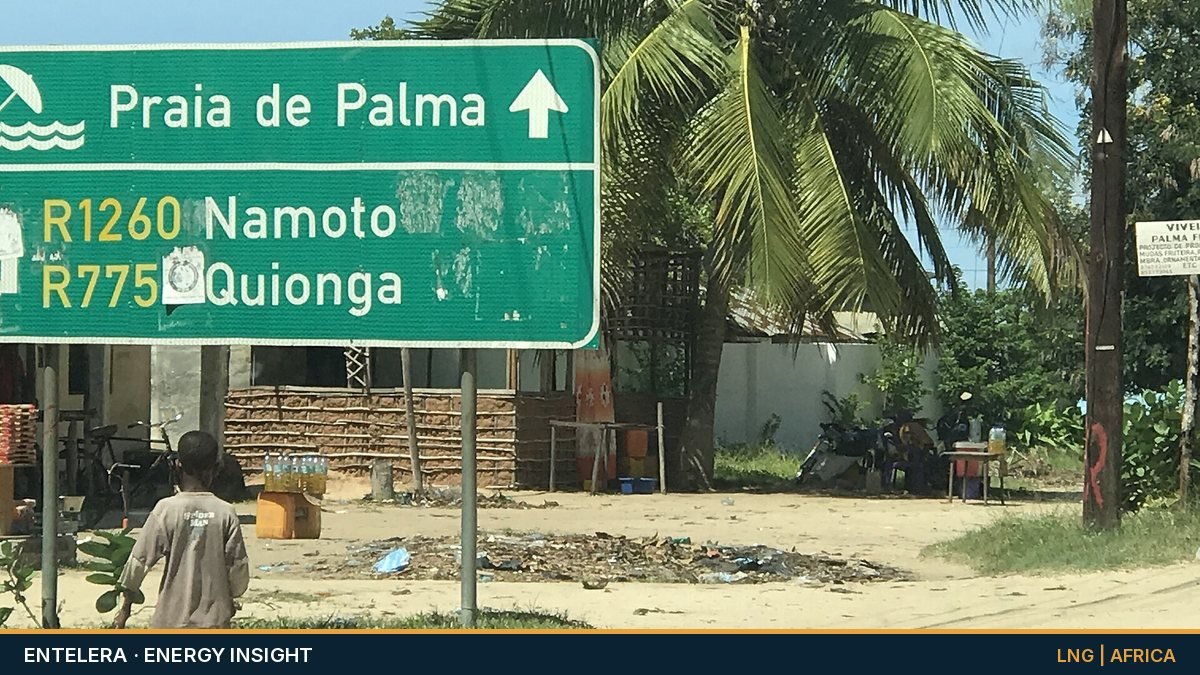
Under the new design, yards would build 12 modules of about 1.55 mtpa each. Then ships would carry them to the Afungi site near Palma, The Boston Report said. By contrast, the government approved an earlier 15.2 mtpa design in 2019.
Stakes, value and jobs
Meanwhile, ExxonMobil and Eni are reshuffling their roles in the basin. Dan Ammann, ExxonMobil’s upstream president, said a deal with Eni would lift its stake in Rovuma LNG to 50%. State news agency AIM reported his remarks. In return, Eni will hold 50% of the Area 4 floating LNG units, including Coral Sul and Coral Norte.
Ammann also said the project could generate more than $100bn in value for Mozambique and create more than 7,000 jobs. However, these are company projections. Eni, for its part, expects Coral Norte to start by 2028, doubling its Mozambique output to about 7 mtpa. It also plans an FID on a third floating unit, Mamba East, in 2027.
Why Mozambique LNG matters for the market
Above all, Mozambique is becoming a major new source of supply. Next door, a TotalEnergies-led group formally resumed work in 2026 on a $20bn, 13.1 mtpa onshore project. Insurgent attacks in Cabo Delgado had delayed it for years.
Together, the planned projects could lift Mozambique’s capacity to nearly 45 mtpa, BloombergNEF estimates. That is about 10% of global LNG supply last year. Moreover, BNEF expects LNG demand to rise by about 40% in the decade to 2035. Supply shocks from the wars in Ukraine and Iran have also raised buyers’ appetite for new sources.
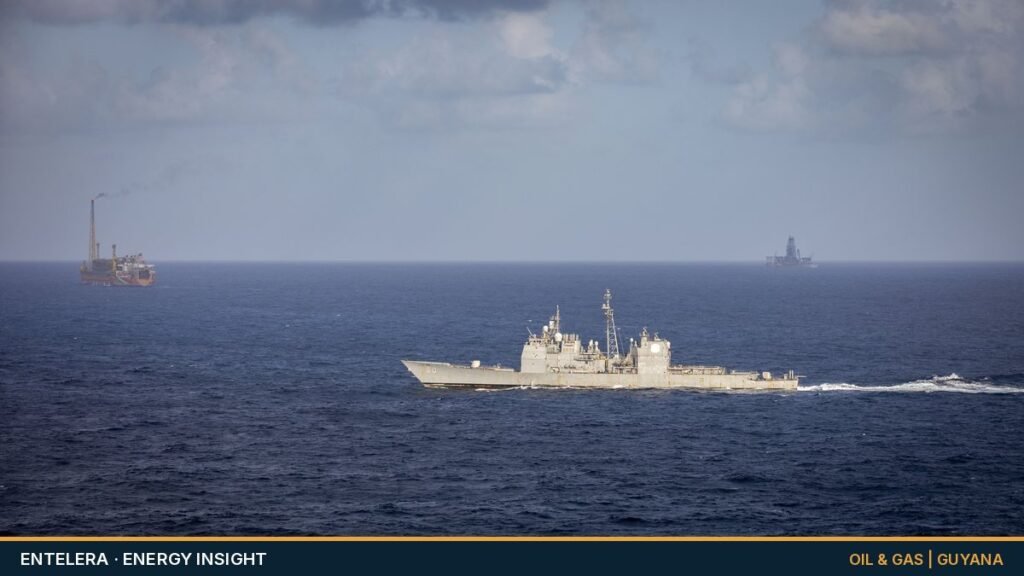
For ExxonMobil, Rovuma LNG would add a large, long-life gas project. Today, however, Guyana leads its upstream growth, and there it recently started up Uaru. Its latest numbers are in our ExxonMobil Q3 2026 results financial summary.
What to watch next for ExxonMobil Rovuma LNG
First, watch for the FID itself, due by December 2026. Second, look for offtake deals and a financing package, since a project of this size needs both. Finally, security in Cabo Delgado remains the biggest risk to the timetable. The long pause at the neighbouring project showed why. Output could start in the early 2030s if the FID goes ahead.
Sources
- Diário Económico: Governo aprova alteração ao plano do Rovuma LNG para reduzir custos de desenvolvimento
- Bloomberg (via Energy Connects): Exxon’s Rovuma LNG plan wins Mozambique government approval
- Zitamar News: Government approves revised development plan for Rovuma LNG
- The Boston Report: Mozambique approves ExxonMobil’s revised Rovuma LNG plan
- Entelera: ExxonMobil Q3 2026 results financial summary
- Entelera: ExxonMobil Uaru start-up lifts Guyana’s installed capacity to 1.1 mmbbl/d