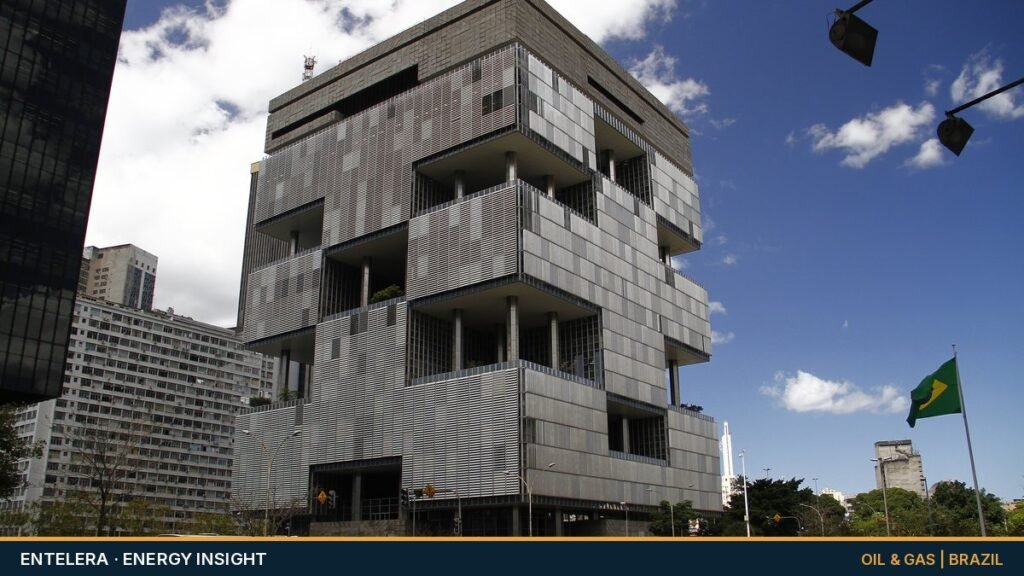

BP is in talks to sell a stake in its Bumerangue oil block offshore Brazil to Petrobras, Bloomberg News reported on 12 November 2026, citing people familiar with the matter. BP Bumerangue is the company’s largest discovery in 25 years, and BP owns 100% of it today. However, the talks are still going on and a deal is not guaranteed, the report said. Reuters, which relayed the story, could not verify it on its own. Moreover, neither BP nor Petrobras commented straight away.
Why BP wants a Bumerangue partner
BP has said for some time that it wants a partner to help assess the find before it takes a final investment decision (FID). A partner would share the cost and the risk of appraisal. In addition, it would give BP a partner with deep roots in Brazil, since Petrobras is the country’s state-controlled oil company.
For Petrobras, a stake would add a share in one of the largest recent finds in its home basin. Still, no terms, stake size or price have come out so far.
What BP has found at Bumerangue
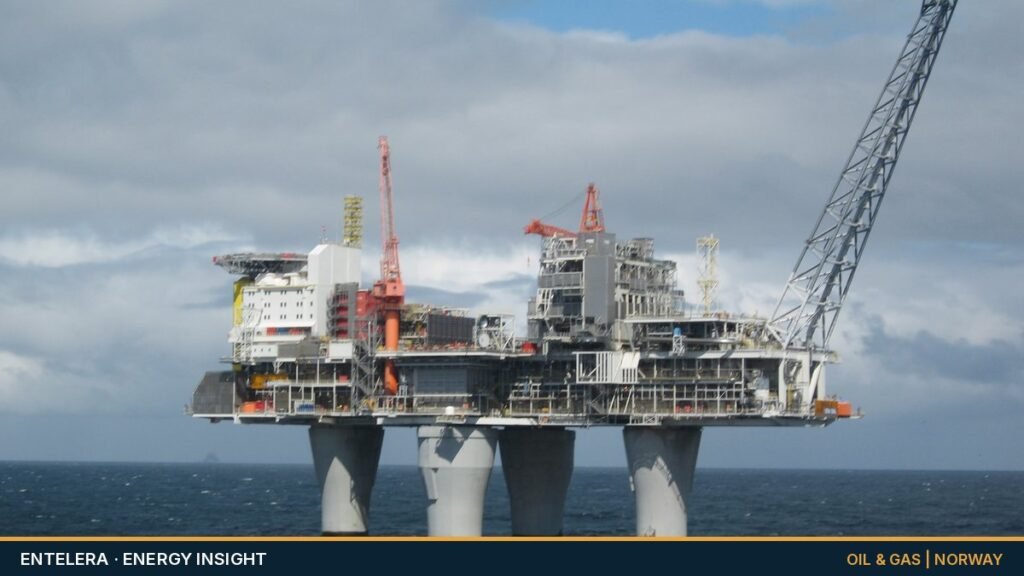
BP announced the discovery on 4 August 2025. Its 1-BP-13-SPS well lies in the Santos basin, 404 km from Rio de Janeiro, in 2,372 metres of water. The well reached a total depth of 5,855 metres. It hit a high-quality pre-salt carbonate reservoir that covers more than 300 square kilometres.
Later, lab and pressure tests showed a gross hydrocarbon column of about 1,000 metres. That column holds about 100 metres of oil and about 900 metres of liquids-rich gas-condensate. Overall, BP estimates about 8bn barrels of liquids in place. Note that this is an in-place figure, not recoverable reserves.
Rig-site results first showed elevated levels of carbon dioxide (CO2). Since then, however, BP has said it can manage the CO2. Pré-Sal Petróleo manages the production sharing contract, and BP won the block in December 2022.
BP Bumerangue appraisal timeline
Next comes appraisal. BP plans a three-well programme and aims to finish it by the end of the first half of 2027. Drilling should start in late 2026 or early 2027, and Halliburton holds the integrated drilling contract. Meanwhile, chief executive Meg O’Neill has said the wells must show how fluids flow through the reservoir.
As a result, any sale now would come before the key appraisal data. That timing matters for value. On the one hand, BP would give up some upside if the wells go well. On the other hand, it would cut its exposure if CO2 or flow rates disappoint.
How a Bumerangue sale fits BP’s plans
The talks also sit next to BP’s wider push to raise cash. The company now expects about $9bn of divestment and other proceeds in 2026, as our story on the BP Aker BP stake sale showed. At the same time, BP wants to grow upstream output to 2.3-2.5mn barrels of oil equivalent a day in 2030. Indeed, O’Neill has named Bumerangue among BP’s upstream growth options.
What to watch
First, watch for any statement from BP or Petrobras that confirms the talks. Second, look for the stake size and any carry of appraisal costs. Finally, watch the appraisal results in 2027. Until then, the BP Bumerangue sale remains a reported negotiation, not a done deal.
Sources
- OE Digital (Reuters): Petrobras Eyes Stake in BP’s Giant Bumerangue Oil Discovery
- Brazil Energy Insight (Reuters): Petrobras in Talks to Aquire Stake in BP’s Giant Bumerangue Oil Discovery – Sources
- BP (Form 6-K: bp announces hydrocarbon discovery at Bumerangue exploration well, offshore Brazil
- Oil & Gas Journal: bp lets contract for Bumerangue discovery appraisal drilling offshore Brazil
- Entelera: BP raises $1.06bn by selling 5% of Aker BP, stake falls to about 10.9%